

Here it is! HealthySimulation.com’s most watched healthcare simulation webinars of 2025! Medical Simulation Webinars on HealthySimulation.com are widely attended across all healthcare specialties involved in clinical simulation–based education. To support continued advancement in the field, HealthySimulation.com hosts weekly webinars, many of which provide CEs and address virtual and technology-driven topics. The HealthySimulation.com webinar subscription now provides access to more than 450 recorded CE/CME webinars, with new sessions added regularly. Healthcare simulation leaders and educators can rely on these programs for practical insights to support the development and growth of clinical simulation programs in both academic and clinical settings. Below are the 25 most-watched Clinical Simulation Webinars of 2025 on HealthySimulation.com—each a must-see. Stay current with medical simulation best practices by also exploring our Top 25 Clinical Simulation Articles of 2025 and by starting an annual webinar subscription today.
Gain Access to Over 450 Recorded Webinars Boasting Over 3,000 5-Star Reviews!
HealthySimulation.com’s webinar library has become the go-to educational hub for simulation educators, technicians, faculty, and program administrators seeking to strengthen their professional knowledge. These webinars are led by some of the world’s most respected voices in clinical simulation, including pioneers in debriefing methodology, operations management, educational design, and immersive learning technology. The sessions deliver actionable insights, real-world strategies, and proven frameworks that help simulation programs of every size succeed. More webinars are added each week!
- Individual Webinar Subscriptions
- Discounted Institutional Webinar Subscriptions (Minimum 5 Licenses)
Each webinar is designed specifically for healthcare simulation professionals looking to improve learner outcomes, streamline operations, and build institutional support. With this 50% discount, simulationists can access all past and future content within their subscription, covering an extraordinary range of topics that continue to shape the field of clinical simulation worldwide.
Now let’s start the countdown….
Top 35 Most Watched Healthcare Simulation Webinars of 2025!
35. (CE) Improve FNP Student Clinical Decision Making with Pediatric Simulation Escape Rooms (Melinda Pierce, MSN, RN, CHSE et al) This CE webinar will review how pediatric simulation escape rooms were used to evaluate knowledge and self-efficacy among Family Nurse Practitioner (FNP) students. Competency in pediatric knowledge and skills are an essential component for the family nurse practitioner role. Family Nurse Practitioner (FNP) Students assume a passive role in traditional classroom settings making difficult the ability of faculty to evaluate clinical learner knowledge, self-efficacy, and clinical decision-making. To meet the learning expectations of this student population, educators must design programs that are innovative, engaging and technologically advanced.
34. (CE) Increase Healthcare Simulation Efficiency and Reliability with Pre-Programmed Scenarios (Erica Hinojosa MSHS, CHSOS-A et al) The presenters will undertake the complex Laerdal SimDesigner program to allow learners to define terminology, program sequences, outline the layout, and create a scenario. Additional topics include Phases, Scenario, Trigger, Physiological Parameters, Learner Events, Transitions, Media, Patient Monitor, and Event Library. Laerdal scenario programming styles vary from organization to organization and may also depend on case complexity. Technologists or educators must expand their knowledge of scenario programming used in healthcare simulation to align with the clinical curriculum learning objectives in the institution. This training will allow for a clear transition for design and implementation of education activities. Initiating a thoughtless medical simulation activity can lead to ineffective teaching, inadequate experiences in simulation, and creating a chaotic learning environment (Lioce, 2019). Understanding how to develop scenarios using SimDesigner will allow for increased knowledge outcomes for learners. The CE presentation will allow learners to be more effective in designing scenarios, be an advocate for the scenario design process, and increase the reliability of scenario programming.
33. The Future of Healthcare Simulation Technology: A Panel Discussion (Carrie Gigray, MSHS, CHSE, CHSOS, NRP et al) The speed of evolution in health professions education and practice is not merely rapid; it is revolutionary. With advancements like immersive VR and AI-driven learning platforms, healthcare simulation is experiencing a technological revolution. The methods and techniques we used just a few years ago have become essential to health professions education, training, innovation, and strategies for patient safety. This webinar celebrates the accomplishments of the healthcare simulation community as part of the Society for Simulation in Healthcare (SSH) initiative to identify the future of simulation technology in healthcare. Throughout 2024, interprofessional subcommittee groups in Extended Reality (XR), Artificial Intelligence (AI), Haptics, Biometrics, 3D Printing/In-person Simulation, and Other Emerging Technologies collaborated to identify current trends and recommendations for the future of technology in healthcare simulation. Panel members from each group will share the outcomes of their work, including key themes, observations, and recommendations to help drive healthcare simulation. Attendees will gain a clearer understanding of where the field is headed, what tools will shape future practice, and how to position themselves as early adopters and change agents. Whether you’re an educator, operator, innovator, or clinician, this is a unique opportunity to hear from those who are helping to advance technology simulation in healthcare.
32. (CE) Active vs Passive Learning Roles in Healthcare Simulation (Faisal Ismail, MBBS, FCPS, MSc) This CE webinar will discuss how observer roles in healthcare simulation are as effective as active participant roles for bowel preparation education among interprofessional healthcare workers. Background: Adequate bowel preparation is a critical aspect of colonoscopy, mainly pivoting on the education and counseling provided to the patient (1). Simulation-based education has traditionally prioritized individual or one-to-one practice of skills, known as active participation, over learning through observing fellow learners (2). The efficacy of observer roles in simulation-based education scenarios remains underexplored, with concerns that it may not be as effective in learning as the active participant role (3). This may be due to an interpretation of Kolb’s experiential learning theory, in which active experimentation is essential to the learning process. We hypothesize that learning through observing is as effective as doing so through active participation. Through this study, we aim to compare the effectiveness of the observer role versus the active participant role in an interprofessional cohort of healthcare professionals using simulation-based education.
31. (CE) Assessing Social Determinants of Health (SDOH) within Healthcare Simulation Curriculums (Samantha Keck, MS, RN, CHSE et al) Social determinants of health (SDOH) are the conditions or environments that affect health risks, functions, or outcomes in an individual or community (Healthy People 2030). Healthy People 2030 groups SDOH into five domains: economic stability, education access and quality, healthcare access and quality, neighborhood and built environment, and social and community context. Several resources are available to assist schools of nursing (SONs) in incorporating social determinants of health (SDOH) into nursing curricula; however, evidence is lacking in the evaluation of nursing curricula’s integration of SDOH. Simulation has proven to be an effective way to incorporate student exposure to specific clinical concepts into nursing education. Through purposeful intent, faculty can review their current simulation curricula, determine where to incorporate SDOH in all levels of the program and utilize simulation experiences to introduce specific SDOH.
30. (CE) Peer-Assisted Training for Novice Clinical Simulation Faculty Development (Geethanjali Ramachandra MRCP, CCT PICU (UK) Fellowship ECMO(UK) et al) Background: Peer-assisted learning in pediatric simulation is effective in achieving competency. However, no studies were conducted in low-resource countries. PediSTARS has implemented a 3-level mentorship program for developing novice to expert faculty over the last 6 years. However, there is a paucity of mentors to facilitate this program across India. Hence, we implemented peer-assisted learning through WhatsApp (WA) and co-mentoring sessions over the last 3 years to facilitate the mentorship of novice simulation faculty as part of the Faculty Development Program (FDP). Conclusions: The researchers demonstrated that peer-assisted learning is a very powerful, low-cost sustainable solution for faculty development programs in a low-resource country. This can be replicated easily in other countries. Nevertheless, the process requires dedicated mentors who are passionate and willing to provide personal time for community building.
29. Ultra-Fidelity Healthcare Simulation to AI-Enhanced Debriefing: The Complete Learning System (Cedrin Law MSc, MBA) Get a behind-the-scenes preview of Elevate Healthcare’s IMSH 2026 booth experience. See how integrated healthcare simulation technology—from ultra-fidelity solutions to AI-enhanced assessments—creates a complete clinical learners journey across any clinical scenario. Walk through live demonstrations featuring ultrasound simulation, high-fidelity manikins, next-generation wearable standardized patient technology, and breakthrough AI tools that reduce faculty workload while improving assessment consistency. Experience the 5 R’s framework in action and discover why complete ecosystem integration delivers exponential value for simulation programs globally.
28. (CE) Nursing Simulation Students Attitudes Towards End-of-Life Care (Meredith Joyner, DNP, RN, CHSE, CNE) This project explored the impact of high-fidelity simulation on nursing students’ attitudes toward end-of-life care. Utilizing the Frommelt Attitude Toward Care of the Dying Form B (FATCOD-B) scale, the study measured students’ attitudes before and after participation in a simulated end-of-life care scenario. A Wilcoxon Signed Rank Test revealed a statistically significant improvement in attitudes, with median scores increasing from 117.5 to 123 (z = -2.98, n = 14, p < 0.05). Although the effect size was small (r = 0.11), the results demonstrate that high-fidelity simulations can enhance nursing students’ comfort and attitudes toward providing compassionate care to terminally ill patients. This research highlights the potential of simulation-based education to address the limited exposure to end-of-life care during traditional clinical rotations and to prepare students for the emotional and practical challenges of palliative care.
27. How to Use the SIMS Tool to Manage Your Simulation Center (John Lutz BS) The Simulation Information Management System (SIMS) is a web-based platform that will allow healthcare simulation programs to quickly manage scheduling, resources, staff, faculty, and students. The SIMS 3.0 system has been developed over the past 30 years at UPMC’s WISER center, a global leader in medical simulation program development, with input from dozens of centers from around the world. The SIMS 3.0 simulation management tool is an easy to use and flexible system that can simplify scheduling, emails, and reporting, allowing clinical simulation program administrators and team members to focus on education, not tedious administration.
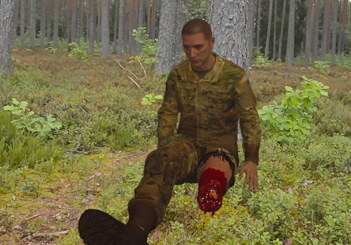
26. (CE) Innovative Sim Wars: Enhancing Patient Safety Culture Through Edutainment (Whitney Smith RN MSN, MBA, CHSE et al) Children’s Hospital Colorado’s Sim Wars is an innovative healthcare simulation competition designed to close critical gaps in healthcare education and patient safety culture. Traditional medical training often lacks realistic, high-stakes environments that allow for safe, hands-on learning. Sim Wars addresses this need by delivering immersive, themed scenarios where healthcare professionals can practice critical thinking, teamwork, and technical skills without risking patient harm. This unique program fosters interprofessional collaboration by engaging diverse healthcare teams in high-pressure, team-based challenges. It also boosts engagement and knowledge retention through the use of creative themes, costumes, music, and multimedia storytelling, transforming routine training into a high-energy edutainment experience. Sim Wars extends its reach beyond frontline staff. By inviting C-suite executives, Quality Board members, and Foundation donors to participate or observe, the event helps bridge the gap between leadership and clinical teams, fostering a shared understanding of frontline challenges and the value of simulation-based training.
25. Transform Maternal-Fetal Care: The Potential of Wearable Birthing Simulators with Standardized Patients (Megan Weldon CHSE et al) Experience the future of maternal-fetal medicine with Avbirth, the first fully automated wearable birthing simulator. Taking the technology of the manikin and putting it on a live patient. Avbirth sets a new benchmark for high-fidelity simulation, equipping learners with the skills to deliver empathetic and comprehensive bedside care in women’s health. This groundbreaking innovation bridges the gap between simulation and real-world practice, offering unparalleled training opportunities. Join simulation experts Megan Weldon, CHSE, and Amy Erol as they take you on a deep dive into the inner workings of Avbirth. They’ll walk you through the features and functions of this groundbreaking wearable birthing simulator, showcasing its thoughtful design and meticulous attention to detail. Learn how the intuitive setup and user-friendly interface make Avbirth easy to implement, whether you’re new to simulation or an experienced professional.
24. (CE) How to Increase Nursing Simulation Patient Safety Realism with Medication Administration (Teresa Gore PhD, DNP, APRN, FNP-BC, CHSE-A, FSSH, FAAN et al) The profession of nursing is voted the most trustworthy profession year after year. The public values and trusts that nurses will provide them with safe, quality patient care. One way to accomplish this is to teach nursing students how to perform nursing care that is safe, evidence-based care that improves patient outcomes. This can be accomplished through nursing simulation scenarios and skills that are realistic, evidence-based, and follow the INACSL Healthcare Simulation Standards of Best Practice. Medication errors remain a major threat to patient safety and decreased patient outcomes. Safe, effective medication administration must be practiced for nursing students to learn this essential aspect of patient care. This can be accomplished with the incorporation of a Pyxis medication administration system into the nursing simulation program. The Pyxis system is often found in the clinical environment that the nursing students will use when they transition to their professional career. The Pyxis offers educators a customizable, scalable platform to train students on the same equipment they will later use in the hospital setting. The panelists will provide participants with practical application approaches from several nursing programs for medication administration skills with the use of the Pyxis.
23. (CE) Using a Student-Centric Model to Achieve Full Participation in Healthcare Simulation Experiences (Lisa Nicholas EdD, MSN, RN, CHSE, CNE et al) Nursing simulation and associated technologies in nursing student learning have evolved rapidly over the last several decades, yet they lack innovative change. Healthcare Simulation educators have adhered to a recipe for simulated success, and a sure-fire way to evaluate learning has occurred. Clinical simulation, as a teaching and learning modality, is maximized when the learner is fully immersed in the simulated experience and can practice the translation of learned knowledge to applied practice. The student-centric model aims to engage learners in multiple roles and responsibilities, allowing the learners to grow in competence and gain critical skills in communication, empathy, clinical reasoning, and various perspectives from increased engagement. Anecdotally, the student-centric model asserts that learning occurs when clinical students are immersed in multiple aspects of the simulated experience rather than adhering to a traditional perspective that participant learning only occurs in debriefing.
22. (CE) Enhancing Nursing Student Patient Prioritization Skills Through Nursing Simulation (Tiffani Chidume DNP, RN, CHSE-A, CHSOS et al) Prioritization is a critical skill for nursing practice. Students often have limited opportunities to develop this competency. Based on feedback from clinical stakeholders and below benchmark scores on the HESI®, faculty at a southeastern five-semester baccalaureate nursing program identified the need for second-semester students to gain experience prioritizing patient care. To overcome clinical challenges and improve undergraduate nursing students’ ability to prioritize care, this project implemented a simulated clinical experience (SCE) with an extended prebrief. The SCE was guided by Kolb’s Experiential Learning Cycle and followed INACSL HSSBOP®. To target prioritization skills, during prebrief, students received handoff on three clients and were asked to independently determine which client they would see first. To ensure and evaluate understanding, facilitators prompted and guided those students who were unsure or incorrect. Following prebrief, regardless of which client the students saw during the SCE, the outcomes, and objectives were identical, allowing for equivalent learning for prioritizing client care within the scenario itself.
21. (CE) Creating a Cost-Effective Healthcare Simulated Patient Program (Kelly Russin DNP, RNC-OB, CHSE et al) The implementation of an evidence-based clinical simulation requires a trained person to run the manikin and an educator to observe and prepare a planned debriefing experience. In many organizations, both tasks are completed by a single person who is also responsible for set-up and reset of the simulation. This type of program is not sustainable and does not follow the INACSL standards. Demonstration of the design of a Simulated Participant (SP) Program at a large, accredited simulation center that encompasses trained SP’s to set-up, run the manikin, and reset each simulation for over 600 undergraduate and graduate students each semester. Information will be shared about the implementation of ASPE standards, quantitative, and qualitative data from students (SET-M), SP’s, and faculty. This program holds training sessions each semester, has dedicated policies and procedures for SP’s, and has a peer feedback model for the evaluation of performance. The budget information will demonstrate the cost-effectiveness of the use of SP’s and how to get buy-in for the creation of a program from key stakeholders. All simulation programs, whether using SP’s as patients or manikins, should implement an SP program to ensure they are meeting the standards and provide the highest quality simulation for the students based on current research. This CE presentation will empower simulationists to advocate for the needs of their simulation program through presentation of research data, theory, and budget to demonstrate their ability to lead a successful and sustainable medical simulation program.
20. (CE) Using AI Voices to Standardize Clinical Simulation Prebriefings (Lori Ann Camperlengo MSN, RN-BC, CHSE, CPHIMS et al) Variability in Prebrief communications is an identified gap that impacts the simulation experience. Currently, endorsed simulation centers deliver Prebriefings that adhere to INACSL Healthcare Simulation Standards of Best Practice (HSSOBP) objectives, but the communication delivery is not consistently standardized. Delivery and communication may differ related to multiple human factors (i.e. visual, audible, body language). The desired outcome or achievable state is the creation of awareness for endorsed simulation centers to consistently deliver Prebriefing in a standardized format that addresses these human factors and facilitates clear communication and consistent simulation experiences for all learners.
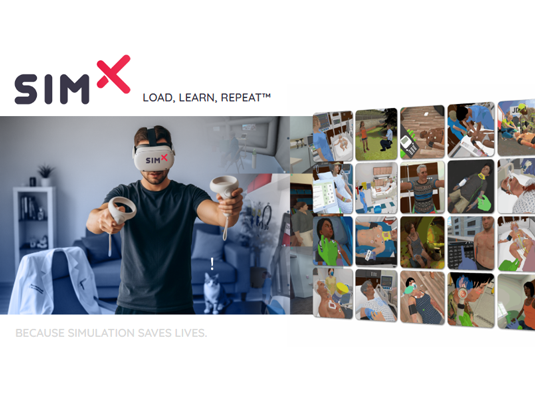
19. (CE) Do Not Wing It! How to Integrate Virtual Reality into Nursing Simulation Programs (Clare Howland RN CpedN(C) CHSE) As virtual reality (VR) becomes more widely adopted in healthcare education, some programs are implementing it without a clear pedagogical framework. In this CE webinar, Clare Howland, RN CpedN(C), CHSE, shares insights from years of experience using UbiSim’s immersive VR platform at Bow Valley College, including emerging trends, her own research, common pitfalls, and strategies for designing and using nursing simulations that align with best practices. Come learn from an educator who’s done the trial and error, so you can skip straight to what works!
18. (CE) The Roadmap to Standardizing Undergraduate Healthcare Simulation Curriculum (Carrie Miller PhD, RN, CHSE-A, IBCLC, FAAN) Research suggests a standardized healthcare simulation curriculum positively impacts students’ clinical learning and readiness for practice (Beroz, 2017; Hayden, et al., 2014). Montana State University-Mark and Robyn Jones College of Nursing (MRJCON), a land-grant university, developed a standardized clinical simulation curriculum three years ago to prepare students for clinical practice and reduce reliance on clinical placements. MRJCON has five campuses across the state and is considered predominantly rural and frontier. The MRJCON graduates approximately 300 BSN or ABSN students annually. Using Jeffries Simulation Theory (Jeffries, 2015; Jeffries, Rodgers, & Adamson (2020), a task force of leadership, content experts, and stakeholders, MRJCON developed a medical simulation curriculum reflective of Healthcare Simulation Standards of Best Practice (HSSBP) consisting of 28 simulation-based experiences (SBE) delivered over four semesters (BSN) or three semesters (ABSN). All students receive 120 hours of dedicated, in-person SBE on each campus. The simulation program includes embedding simulated patients or companions using trained actors. Learning is facilitated by a dedicated Simulation Team Leader (STL) on each campus who has completed the Harvard Center for Medical Simulation Healthcare Simulation Essentials: Design and Debriefing.
17. (CE) How the U.S. Army Advances Trauma Simulation Through Technology Partnerships (Dan Irizarry MD et al) Managing a medical simulation experience is akin to conducting a complex orchestra. Numerous components must harmonize to create an immersive experience that achieves learning objectives. However, the industry’s fragmented nature often restricts simulation control systems to a single mannequin brand. This webinar showcases the U.S. Army’s collaborative initiative with TacMed Solutions and Microhealth to develop an integrated control system. This innovation enables unified management of visual, audio, and mannequin inputs for seamless high-fidelity healthcare simulations.
16. (CE) Addressing the New Graduate RN Transition Gap with Nursing Simulation (Kristy Deyeso DNP, RN, CCRN, CHSE, CHSOS, CPANet al) This CE webinar covers how to address gaps in assessment skills and care escalation among new graduate nurses using a two-day nursing simulation onboarding course which resulted in a 40% increase in self-reported confidence and improved clinical readiness. Over the past two years, the Memorial Sloan Kettering Cancer Center organization has seen longer orientation periods for new graduate nurses (NGNs) and a failure to escalate patient care when necessary, as reflected in incident reports. A recurring issue identified by nursing leadership, staff nurses, and NGNs was incomplete assessments. As Nurse Residency and Simulation Program Managers, the presenters recognized that gaps in the nursing process could negatively impact patient care and diminish NGNs’ competence and confidence. Effective assessment skills are crucial for identifying abnormalities and ensuring timely escalation.
15. Enhance Training Outcomes with Laerdal Medical’s Latest Simulation Solutions (Alyssa Patterson-Lapierre BComm, EMBA Candidate et al) HealthySimulation.com is teaming up with Laerdal Medical to bring you an exciting discussion on cutting-edge simulation solutions! Join product experts as you discover how these innovative tools can transform healthcare training: MamaAnne: Redefining obstetric care with a revolutionary birthing simulator that addresses maternal morbidity and mortality head-on. SimMan Critical Care: Stay ahead of evolving respiratory needs with tetherless mechanical ventilation and breakthrough technology for realistic critical care scenarios. SimCapture: Streamline simulation management and unlock competency within your organization. SimCapture allows you to plan, schedule, operate, and assess simulation activities, ensuring high-quality training outcomes.
14. (CE) Master Debriefing Techniques for Immersive Virtual Nursing Simulation Experiences (Ann Loomis PhD, RN, CNEcl et al) As immersive virtual reality (IVR) technology continues to transform the field of nursing simulation, the ability to effectively debrief after immersive VR nursing education experiences has become increasingly vital. This CE webinar will provide an in-depth exploration of best practices for debriefing IVR experiences, emphasizing methodologies that promote critical thinking, reflection, and enhanced learning outcomes among nursing students. Participants will gain insights into effective techniques for facilitating meaningful discussions that promote psychological safety, encourage self-reflection, and professional growth. Presenters will share valuable lessons learned and challenges faced in the implementation of these strategies, offering practical solutions for overcoming common obstacles. Join us to discover how to refine the debriefing process of IVR in nursing simulation and enhance the educational experience for nursing students.
13. Enable Healthcare Simulation Manikins to Speak for Themselves with AI (Kyle Martin CHSOS) High-quality voice delivery is critical to immersive healthcare simulation yet simulationists often rely on live voicing, PA systems, or low-fidelity playback from manikin speakers, which can compromise realism and/or lead to vocal fatigue. This session demonstrates how to harness AI voice generation tools, such as ElevenLabs, and free audio editing software like Audacity to produce crisp, scenario-specific voice lines optimized for playback through the internal speakers of manikins such as Laerdal’s SimMan Essential (LLEAP) and Gaumard’s Victoria (UNI3). Attendees will be guided through the full workflow from scenario script development to generating and editing voice files, to organizing and importing audio into the manikin operating systems. The session will include practical audio editing tips tailored to the speaker limitations of different manikins, including compression, EQ, and normalization settings that maximize clarity and immersion.
12. (CE) Innovate2Educate: Creating an Engaging Nursing Skills Lab Experience (Alyssa Zweifel PhD, RN, CHSE et al) This pilot study was developed to create an engaging, competency-based simulation skills lab experience for undergraduate nursing students guided by the Healthcare Simulation Standards of Best Practices and the Rapid Cycle Deliberate Practice (RCDP) framework. A mixed-methods design was used with quantitative data collected using the TLP-SE survey and the Laerdal SimCapture Enterprise System benchmarks. Qualitative data was gathered through focus groups and thematic analysis. Students participated in repeated skill practice sessions incorporating self, peer, and faculty feedback. No statistically significant differences were found in TLP-SE scores pre- and post-implementation. However, SimCapture benchmarks and qualitative feedback indicated increased student confidence, productivity, and appreciation for repeated practice.
11. (CE) The Impact of Mindfulness on Anxiety and Cognitive Load in Healthcare Simulation (Jennifer Roye EdD, MSN, RN, CHSE-A, CNE) Simulation-based learning (SBL) in healthcare is a key teaching strategy in nursing education but often induces anxiety, which can increase cognitive load and hinder learning. Evidence suggests mindfulness-based activities (MBAs) reduce anxiety and cognitive load, potentially improving memory retention and knowledge application. This study explored the effect of MBAs on anxiety and cognitive load during SBL for prelicensure nursing students. Junior-level Bachelor of Science in Nursing (BSN) students participating in SBL in a Clinical Nursing Foundations (CNF) course were randomly assigned to a control or intervention group. Both groups received a standardized prebrief aligned with the Healthcare Simulation Standards of Best Practice. The intervention group also received a 2-minute, 44-second scripted mindfulness body scan (MBA). Pre-simulation state anxiety was assessed using the State-Trait Anxiety Inventory (STAI) before and after the prebrief. Post-simulation cognitive load was measured via the NASA Task Load Index (NASA TLX). Results were compared to assess the MBA’s impact on anxiety and cognitive load, and the relationship between anxiety and cognitive load was analyzed.
10. (CE) A Systematic Approach for Healthcare Simulation Scenario Development (Beena Joseph DNP (HSL), RN, RNC-MNN et al) Simulation-based experiences (SBE) have been a fundamental teaching modality in nursing and other healthcare professions for the past two decades, and their use continues to grow. The Healthcare Simulation Standards of Best Practice (HSSOBP) define expectations for simulation educators. Despite the available wealth of information and training, nursing faculty who are new to simulation often struggle to understand and implement these best practice standards (Herlihy, 2022). Current training tends to focus more on defining and describing the best practices outlined in the standards, rather than on their application. This presentation emphasizes the application of HSSOBP: Simulation Design, providing a step-by-step roadmap for new simulationists when developing a simulation-based experience. Although this webinar does not provide an in-depth review of HSSOBP Scenario Design, attendees will receive a simulation development workbook. The workbook includes a step-by-step guide that walks participants through the process of developing a scenario, detailing each stage. Self-evaluation, including knowledge gaps, can be identified while using the template, providing specifics about the need for further education in healthcare simulation design.
9. Beyond Competency: Incorporating Clinical Simulation into Competency-Based Education (Joe McGoldrick et al) Are your stakeholders asking for your healthcare simulation program to support Competency-Based Education (CBE)? While one medical simulation event is a moment in time, a series of healthcare simulation events combined with additional data points, such as course outcomes and summative and formative assessments, is a true measurement of competency. This presentation will discuss technologies that help capture and analyze clinical simulation, learner performance, and competency tracking information holistically. In this webinar, the team from EMS will demonstrate the integration of center-based and in-situ simulation practice, assessment opportunities, and learning management data to build an all-encompassing competency dashboard that addresses performance, curriculum, and accreditation standards.
8. (CE) The Surprising Truth About Emotional Intelligence in Clinical Simulation Debriefing (Heather Epp MN, RN, CHSE et al) We have all experienced medical simulation debriefing situations where strong emotions like anxiety, frustration, or excitement either facilitated or obstructed our best intentions for meaningful learning. A healthcare simulation facilitator with high emotional intelligence (EI) can recognize and navigate these emotions, guiding the debrief in a way that maintains psychological safety and encourages open reflection. This webinar explores how EI competencies such as self-awareness, self-management, social awareness, and relationship management can create a supportive environment that promotes learning, helps learners process their experiences constructively, and ensures that emotional responses do not derail the educational objectives.
7. (CE) Increase Clinical Simulation Knowledge Retention with Scaffolding Cognitive Load Theory (Teresa Gore PhD, DNP, APRN, FNP-BC, CHSE-A, FSSH, FAAN et al) Professional healthcare students often struggle to grasp complex clinical concepts through traditional methods. This presentation explores strategies to scaffold learning from didactic instruction to clinical simulations to enhance comprehension and critical thinking. The three domains of cognitive load will be reviewed: intrinsic, germane, and extraneous. Educators can design simulations and experiential learning opportunities that manage cognitive load and improve clinical judgment and knowledge retention through cognitive load theory and the incorporation of the INACSL Healthcare Simulation Standards of Best Practice.
6. (CE) 5 Reasons a Clinical Simulation Fails (Kathy Sokol MSN, RN, CHSE) Clinical Simulation scenarios are designed to advance clinical learning, but without proper planning and facilitation the methodology can fail. Healthcare Simulation helps learners to develop clinical reasoning, clinical judgment and critical thinking. The presenter has identified five reasons for poor learner outcomes during medical simulations including: Weak learner engagement, unmet objectives, errors in the scenario, and ineffective use of scenario timing. Additionally, post-simulation survey results often reveal hidden clues behind lethargic learner performance. This CE presentation discusses evidence-based solutions for problems familiar to Simulation Educators, and suggests ways to develop sim scenarios that provide rich, immersive learning opportunities.
5. (CE) Unlock Performance with Interprofessional Clinical Simulation Escape Rooms (Selina Hasan MBBS, MHPE et al) This CE webinar explores the role of clinical escape rooms in team-building interprofessional education among medical students, residents, and nurses. Participants played in teams of three to solve case-based scenarios designed for four clinical specialties. Survey results showed that 80% strongly agreed the activity improved teamwork, while many reported enhanced critical thinking and decision-making. Therefore, escape rooms in medical simulation are a promising tool for interprofessional training, offering an immersive platform to encourage a collaborative approach to work.
4. (CE) Streamlining Clinical Simulation Debriefing: A Standardized Script for Best Practices (Aimme McCauley DNP, RN, CNE, CHSE et al) Introduction and Background: Despite professional development workshops on Healthcare Simulation Standards of Best Practice, clinical nursing faculty often correlate simulation debriefing with post-clinical conferences. This study identifies challenges of translation to post-clinical practices to simulation debriefing, particularly among course faculty, even after workshops. Simulation specialists recognize a need to enhance adherence to healthcare simulation standards for debriefing. Method: To address the challenge and standardize debriefing practices, the simulation faculty developed a terminology-specific debriefing script. This script, which combines the evidence-based Plus-Delta and GAS methods, aims to ensure best practices, psychological safety, and consistency to meet learning outcomes. Results: After the implementation of the debriefing script, the faculty exhibited improved comprehension of simulation standards and consistent adherence to debriefing methods, including Socratic questioning and simulation-specific terminology. Students reported increased satisfaction with simulation debriefing expectations and methods. Content Validity Index data supports the tool with an overall rating of 87.5%, meeting the criteria of relevance, clarity, comprehensiveness, practicality, and efficacy. Conclusion: The debriefing script serves as a structured guide to promote consistent expectations and outcomes for both course faculty and students in various simulations. Its implementation enhances the overall quality of simulation debriefing and supports the achievement of learning objectives.
The Top 3 Clinical Simulation Webinars of 2025!
Want to join your peers and be considered for top healthcare simulation webinar presenter in 2026? Contribute your healthcare simulation webinar presentation in 2026 for next year’s consideration. Now here are the top 3 HealthySimulation.com webinars of 2025!
3. (CE) Successful Integration of Virtual Reality into Healthcare Facilities (Cheryl Lockhart DNP, CCNS, CCRN, CEN, CNE, CHSE) Competency training, assessment and demonstration are required components in ensuring continuous quality nursing care in healthcare facilities. Healthcare Simulation has long been the standard for the demonstration of learned skills and algorithm application. Traditionally, this has included high- and low- fidelity manikin learning labs and standardized patient scenario exercises. The expense and time requirements of these methods can be a barrier to usage, so many facilities are beginning to use virtual reality as a training modality for competency training and assessment. Virtual reality (and other mixed reality modalities) requires the use of a headset and hand interface tools (in most cases controllers). The use of headsets may not be intuitive for some non-digital populations of learners and there may be some resistance to using these. This resistance can be tempered or even avoided by pre-emptive planning. This CE webinar will discuss methods to successfully introduce VR to a non-digital population of nurses in a healthcare facility. Women make up approximately 80% of all healthcare workers, and the average age of RNs is 46 years old. Both demographics are underrepresented in identified virtual reality user statistics, where only 16% of women had ever tried virtual reality and 50% of surveyed women stated that they had no interest in the technology. Age-wise, only 18% of regular VR users were over 45 and over 70% of these were male. Additionally, studies show that women are more likely to experience (and anticipate!) virtual reality sickness This can present a challenge for nurse educators introducing this technology as a staff competency training and assessment tool.
2. (CE) Using Generative AI to Help Design Healthcare Simulation Scenarios (Elizabeth Robison EdD, MSN, RN, CNE, CHSE-A) As generative artificial intelligence (Gen AI) continues to transform healthcare education, educators are uniquely positioned to leverage gen AI to enhance simulation-based learning. This CE webinar introduces the Healthcare Simulation Scenario Builder, a custom GPT App designed to streamline the simulation design process using international & national best practices and open-access educational resources. Attendees will gain insight into how the app was developed, what constitutes an effective knowledge base, and how to evaluate and integrate other gen AI tools in nursing or healthcare education. Through this session, participants will explore how AI can serve as a collaborative partner in creating meaningful, standards-aligned simulation experiences, saving time while preserving instructional quality. The session also highlights emerging AI platforms and how they can be used to support scenario creation, content curation, and faculty innovation. Whether you’re new to AI or already experimenting with tools, this webinar will provide practical insights to enhance your simulation practice.
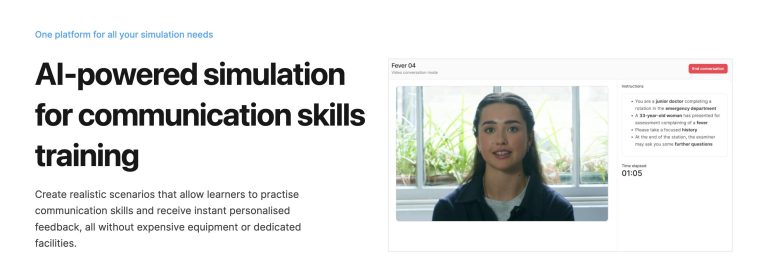
1. (CE) How to Create Simulated Patients with ChatGPT to Improve Clinical Communication Skills (David Rodgers, EdD, NRP, FAHA, FSSH et al): With the advent of newer artificial intelligence (AI), such as ChatGPT, there are many possibilities to enhance learning for all health professions. One area with great potential is creating synthetic patients to improve patient/provider communications in nursing, medicine, and other health professions. Using ChatGPT, these AI-driven patients can interact with learners at all levels (students and practicing professionals) to engage with the AI as it portrays a patient. With the available ChatGPT voice interface, learners engage in real-time conversation with the synthetic patient, aka simulated patient or virtual patient. At the completion of the interview, the AI can provide detailed feedback either using the program’s resources or an uploaded scoring rubric. AI patient interviews can be repeated to allow the learner to implement suggestions for improvement and monitor their progress. Programming AI-driven simulated patients is easy and requires no computer programming skills. The natural language processing of modern GPT AI systems makes the whole process, from development to evaluation, quick and efficient. This CE webinar will demonstrate examples in various communication scenarios and show clinical educators and trainers how to create their own synthetic virtual ai patients.
Almost 500 Other Simulation in Healthcare CE Webinars Instantly Available!
With more webinars added each week to HealthySimulation.com’s growing library, the opportunity for powerful healthcare simulation professional development is unmatched in 2026 and beyond. This article has explored the most watched Top 35 Healthcare Simulation Webinars for 2025 on HealthySimulation.com. The most highly watched webinars are listed out for ease of the healthysimulation.com user with a number of amazing topics covered. Check out our previous Top Webinars from previous years to see more great content available in either the individual webinar or institutional webinar subscriptions!