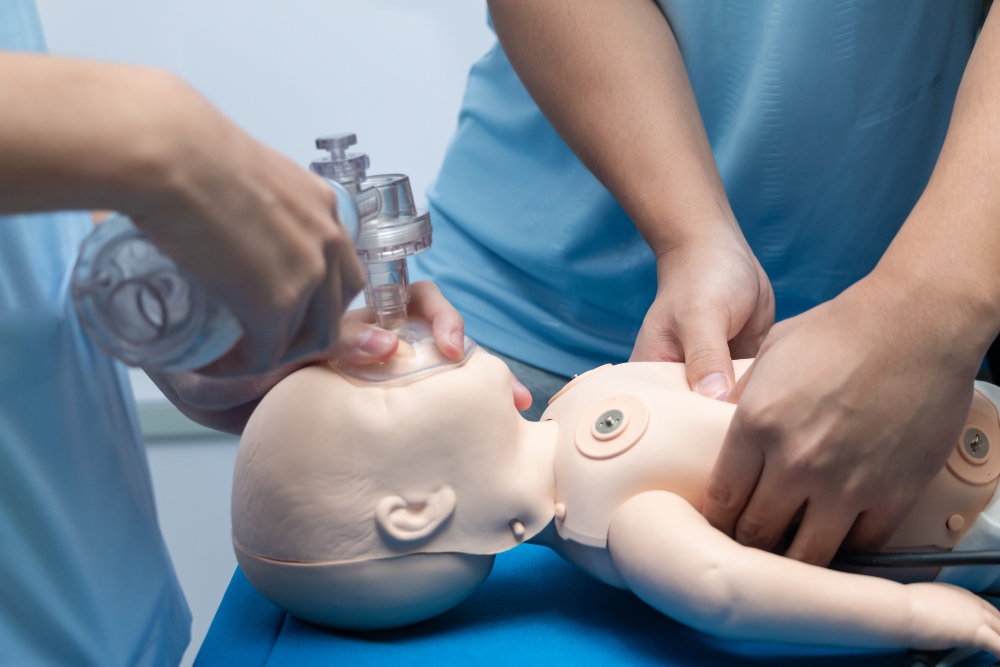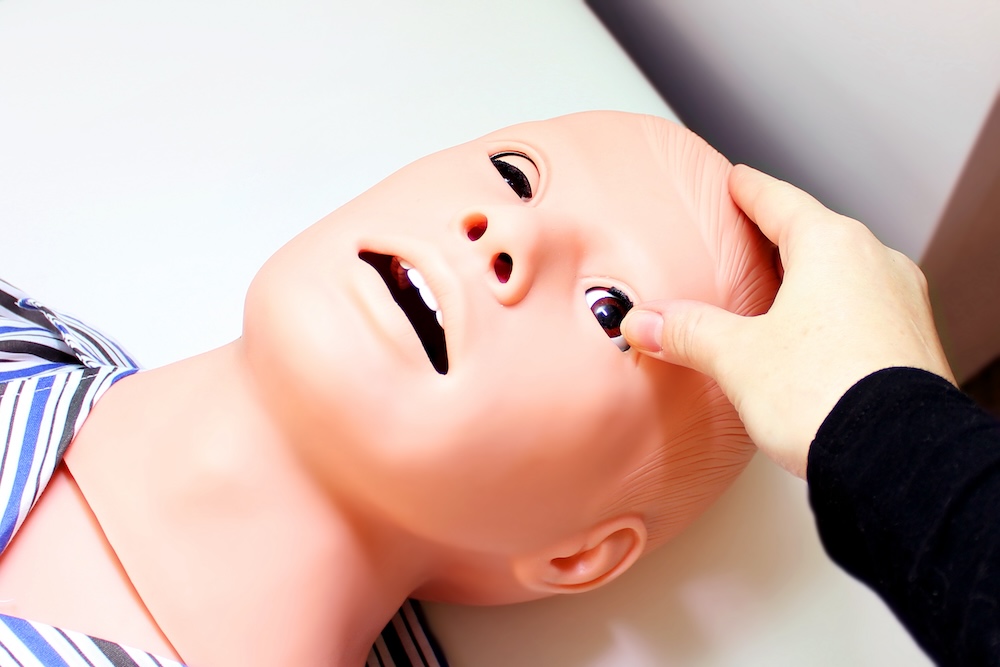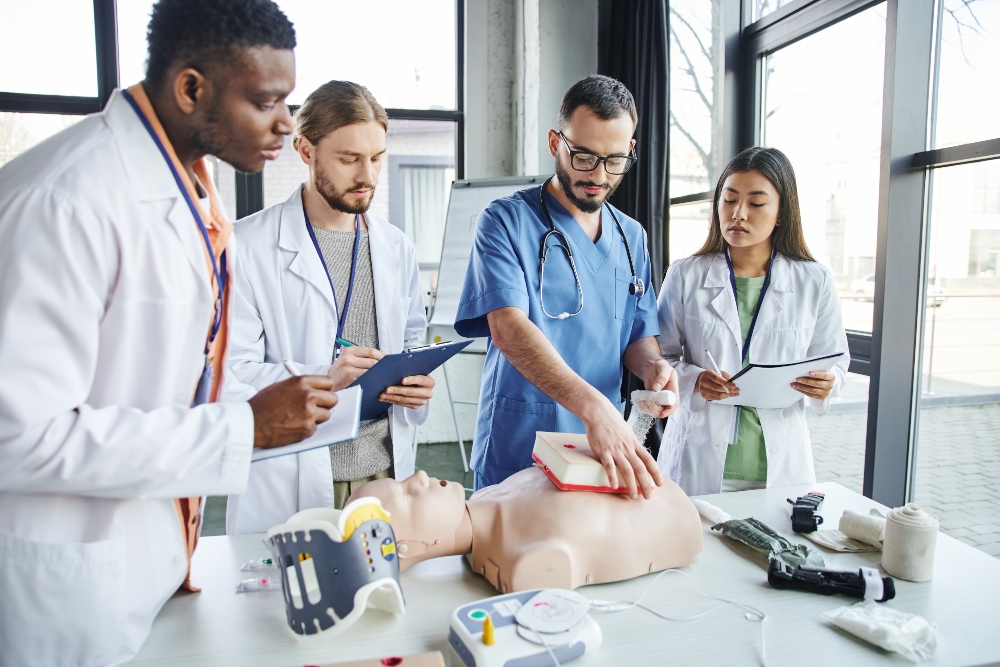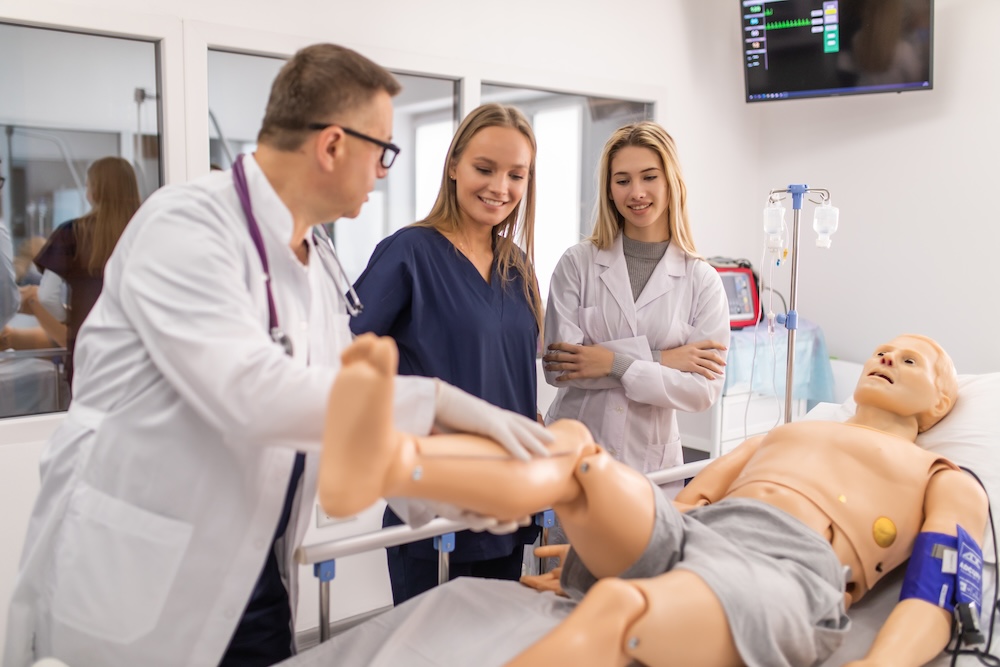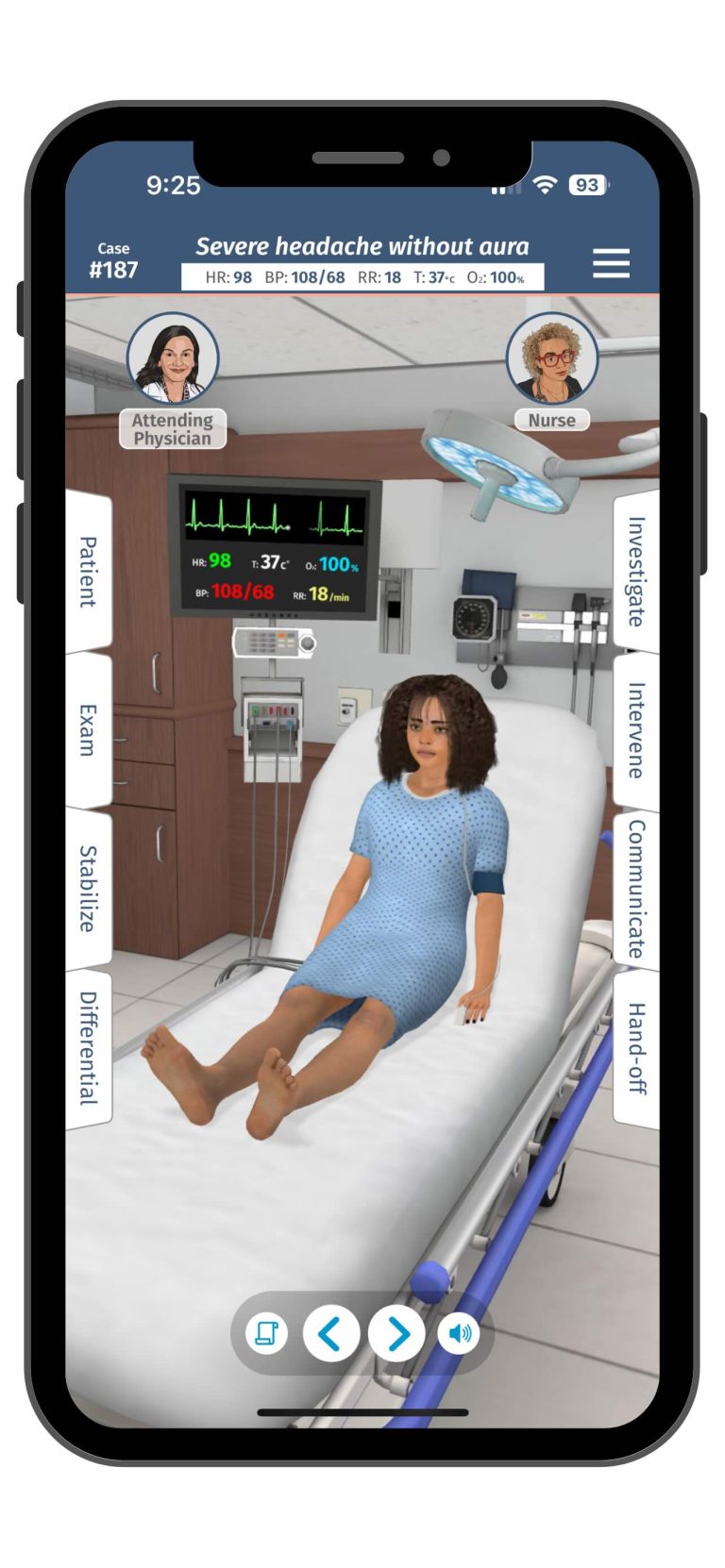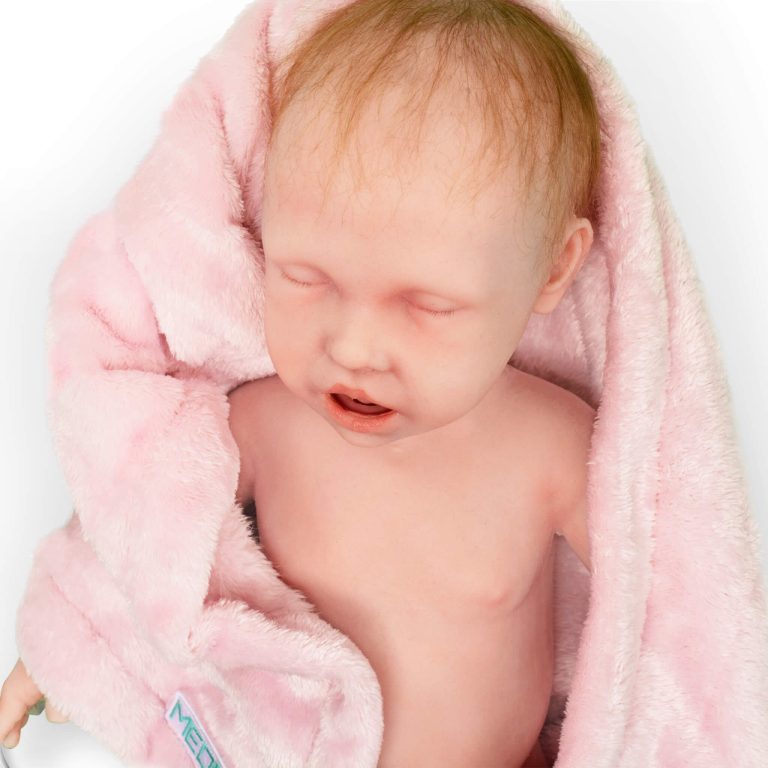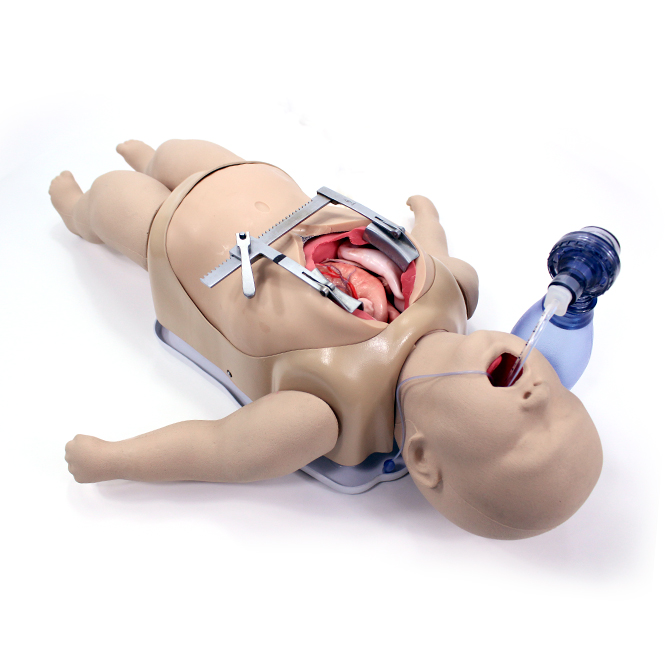

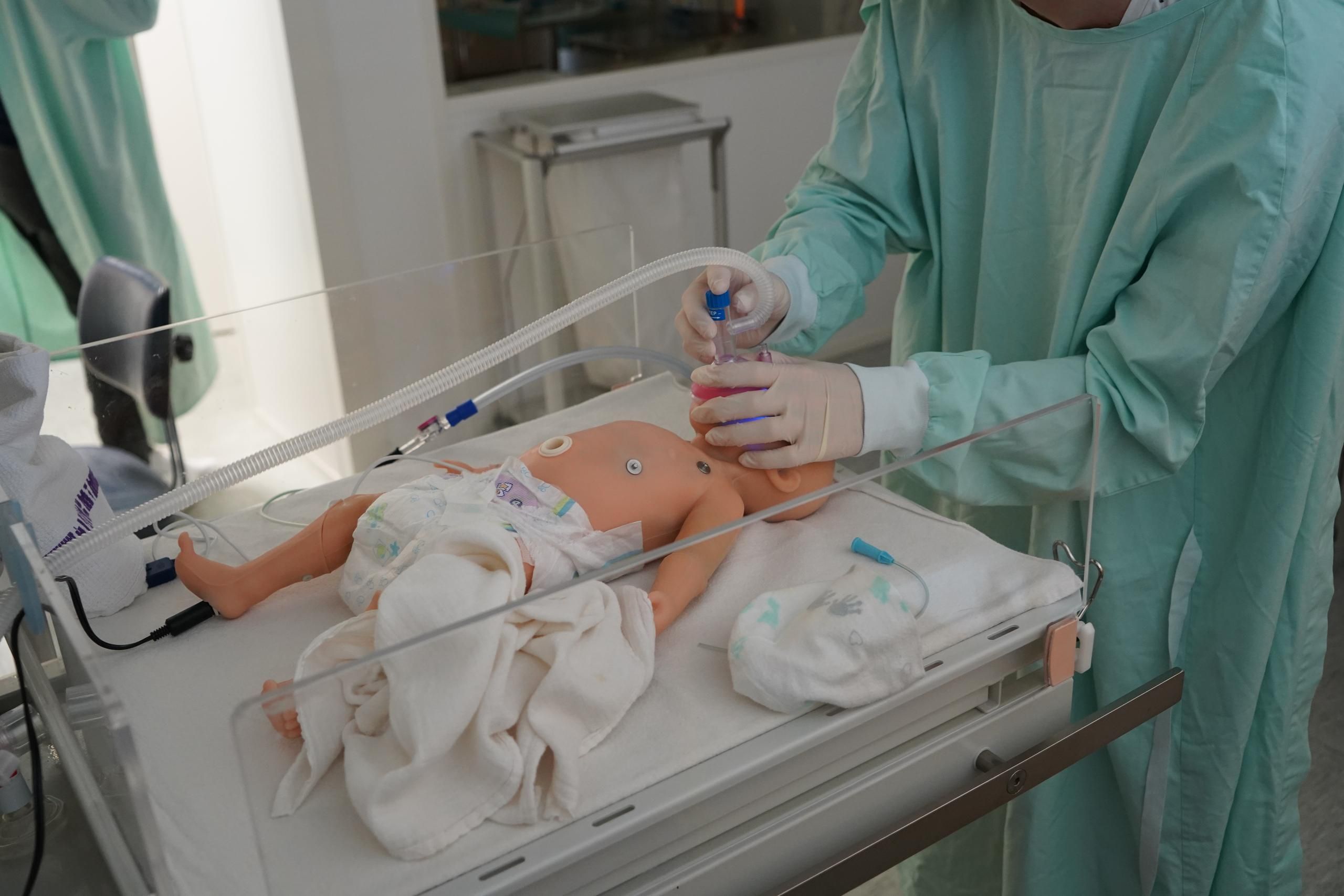
Pediatric Simulation is the practice of using medical simulation products and tools to create an experience that represents the healthcare treatment of a child. Used to teach and train learners and professionals alike, these simulations are intended to equip them with the skills and information needed to make independent decisions in the field. Clinical Simulation in paediatrics has been widely accepted and adapted as a training and assessment tool in medical education. In pediatric simulation education, high-quality patient simulators span from low-fidelity task trainers to advanced, life-like manikins that enable immersive clinical scenarios. These simulators support training across essential pediatric care domains, from basic airway management and resuscitation to complex emergency and team-based responses. This HealthySimulation.com article by Founder/CEO Lance Baily, provides an overview of the benefits of pediatric simulation and an overview of pediatric simulators.
Advantages of Pediatric Simulation
One advantage of using paediatric simulation is that learners can practice procedures and make errors without risking harm to a physical patient. In this simulated environment, trainees can have their errors corrected in real time by an instructor, professor, or training administrator. The speed with which guided results and corrections are provided helps users of Pediatric Simulations internalize what went wrong, how the error was corrected, and how to avoid making the same error the next time the simulated situation arises.
Furthermore, there are so many different healthcare scenarios that can arise when treating pediatric patients. Having a pediatric simulator manikin can provide a comprehensive way for a learner to gain insight into how to treat a wide variety of ailments, illnesses, conditions, and diseases. Although each patient case may present with an individualized set of symptoms and concerns, guided Paediatric Simulation experiences can provide learners with sufficient information to make informed patient recommendations regarding treatments and medications. Pediatric simulators enhance clinical preparedness to:
- Bridge skill gaps in rare but critical conditions (e.g., pediatric shock, cardiac arrest, respiratory failure)
- Improve team communication and situational awareness in high-stress, interprofessional scenarios.
- Standardize performance evaluation and debriefing through controlled, reproducible scenarios
Learning Benefits of Pediatric Simulation
Considering these learning benefits, a number of colleges and universities across the United States and the world have adopted Pediatric Simulation products for their simulation labs. Whereas the standard textbook and lecture style of learning present healthcare concepts as they relate to paediatric patients in a 2-dimensional form, simulation is able to expand how learners work with course materials. For example, Pediatric Simulation creates the opportunity to move and manipulate a high-fidelity patient simulator manikin so that all body parts can be clearly identified and observed. Following such simulated experiences, clinical educators will engage learners in a debriefing where the real learning takes place.
View the HealthySimulation.com Webinar Collaboration for Excellence in Pediatric Simulation Experiences to learn more!
Another benefit of Pediatric Simulation products is that learners can practice performing tests and receive their test results quickly, if not in real time. Again, the speed of simulation is much faster than bringing in a test patient and waiting for the laboratory to return the results. Speed and convenience both majorly assist in the learning process, as the experience will be fresher in their minds and thus the corrections and feedback will be more applicable, relatable, and understandable.
Lastly, paediatric simulation tools help prepare learners for the communication often necessary between a healthcare provider and a pediatric patient. Just as pediatric patients differ physically from adult patients, they also come with different emotional needs. Child Patient Simulators often can speak, hear, cry, and make other sounds to simulate the emotional responses of pediatric patients.
Under these simulated circumstances, learners can determine the best ways to approach the administration of fluids to a pediatric patient, explaining treatments, and interacting with them overall. While practicing treatments and procedures in a simulated environment is essential to prevent errors, simulating communication experiences is important to prevent creating emotional distress in a child.
View the new HealthySimulation.com Community Pediatric Simulation Group to discuss this topic with your Global Healthcare Simulation peers!
Pediatric Simulation Organization and Events for Professional Development
Integrating both foundational and advanced pediatric simulators into healthcare curricula supports progressive competency development from basic psychomotor skills to high-stakes clinical decision-making. There are many resources for educators to develop and implement pediatric simulations. A global community of pediatricians, pediatric subspecialists, pediatric nurses, educators, and other allied health professionals requires professional development in the best practices of pediatric healthcare simulation. Some of these resources are:
International Pediatric Simulation Society (IPSS) is a global community of pediatricians, paediatric subspecialists, pediatric nurses, educators, and other allied health professionals who are dedicated to improving the care of infants and children worldwide. They work to achieve this outcome through multi-disciplinary, simulation-based education, training, and research in pediatric simulation. The society strives to extend the knowledge and skills that participating members have gained to the widest possible audience. Extending membership and involvement to all healthcare professionals who care for children and infants, regardless of their geographic location, IPSS has become a global voice influencing worldwide childcare innovation, integration, and motivation. IPSS offers an annual conference (IPSSW), virtual workshop (IPSSV), and IPSS Academy for professional development in pediatric simulation. IPSS and the International Network for Simulation-Based Pediatric Innovation, Research, and Education (INSPIRE) aim to build future leaders in pediatric simulation. This IPSS-INSPIRE Fellowship is intended for the novice simulation-enthusiast with an interest in pediatric simulation-based research and education. The fellowship is open to allied health care workers, nurses, doctors, and all health care professionals who wish to become leaders in simulation
The International Network for Simulation-based Pediatric Innovation, Research, and Education (INSPIRE) is a collaborative group of pediatric simulation experts, clinicians, educators, investigators, statisticians, human factors researchers, nurses, and many other disciplines with a common goal and mission. The goal is to improve the lives of children through healthcare simulation. Together, medical simulation experts, clinicians, educators, investigators, statisticians, human factors researchers, and psychologists work to serve as a global community that catalyzes discoveries and promotes collaboration in simulation-based research, scholarship, and innovation.
Other non-profit organizations that more generally support simulated pediatric training include:
- The Gathering of Healthcare Simulation Technology Specialists (SimGHOSTS)
- The International Nursing Association for Clinical Simulation and Nursing (INACSL)
- The Society for Simulation in Healthcare (SSH) which holds the The International Meeting for Simulation in Healthcare (IMSH)
- The Society for Simulation in Europe (SESAM)
- The Association of Standardized Patient Educators (ASPE)
- Association of Simulated Practice in Healthcare (ASPiH)
HealthySimulation.com has published a list of Global Lists of Non-Profit Healthcare Simulation Organizations. Read this article for more information and details about these organizations.