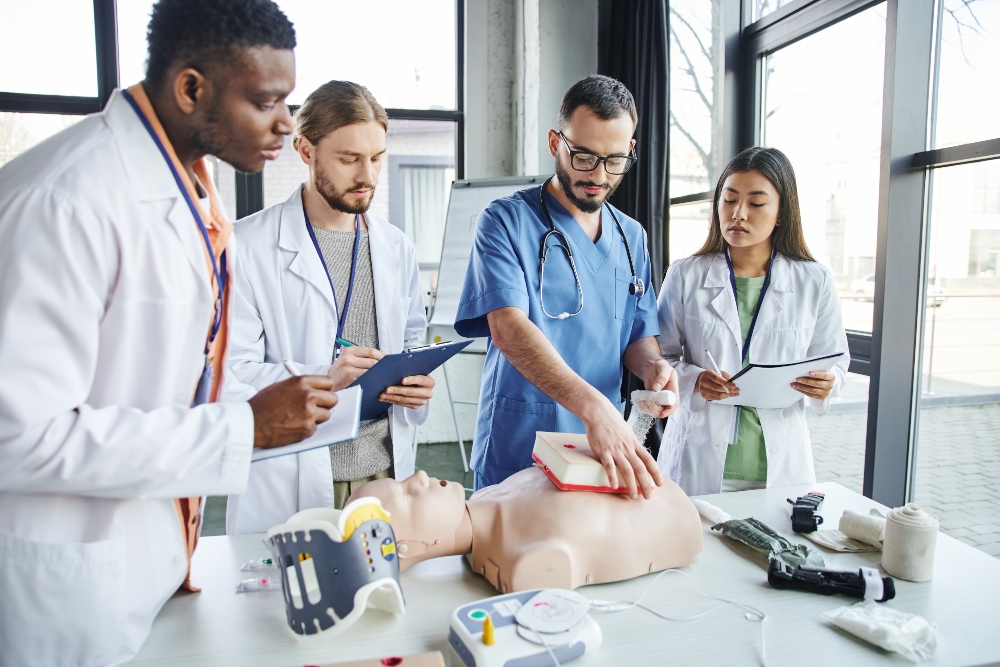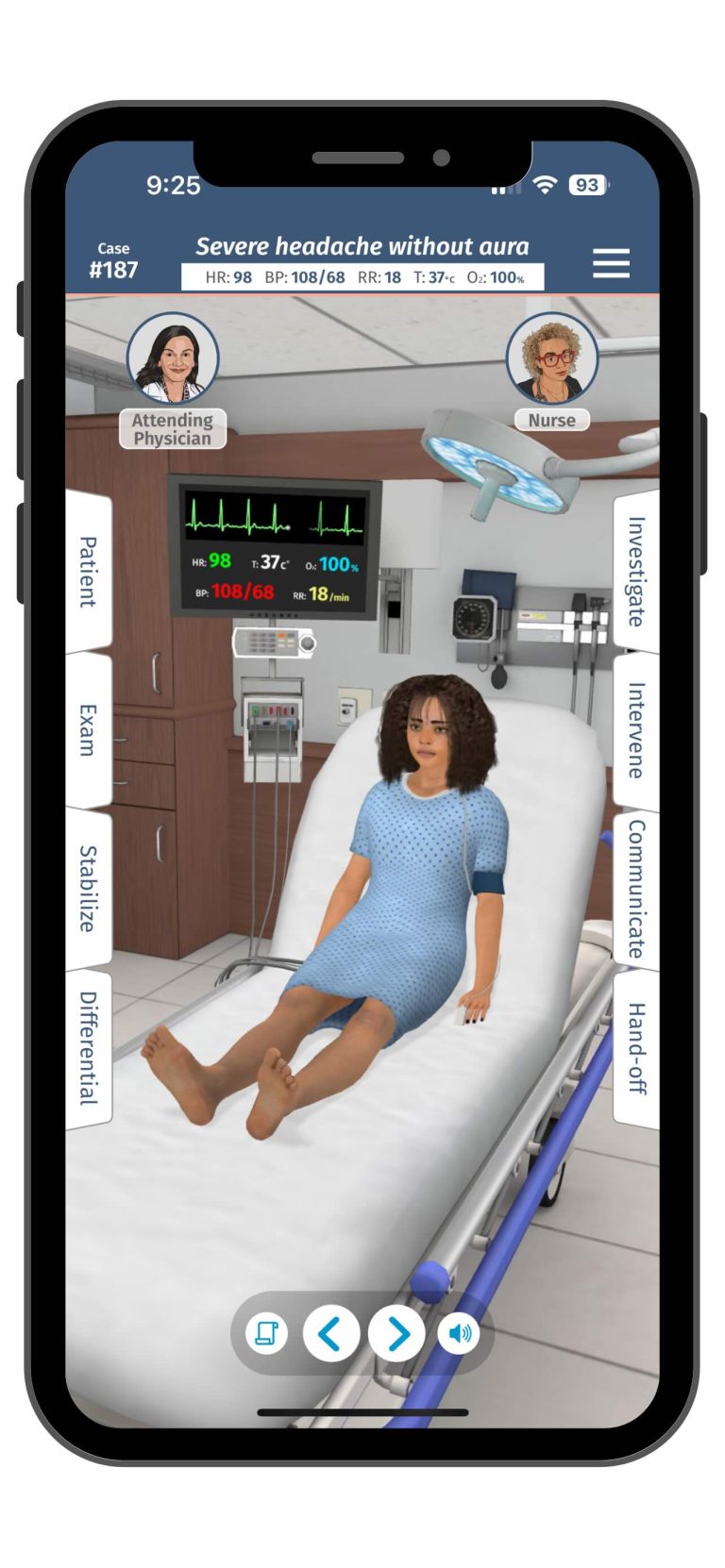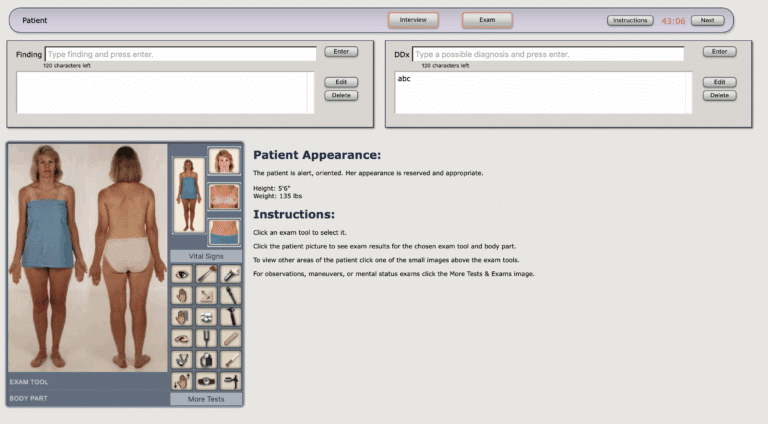

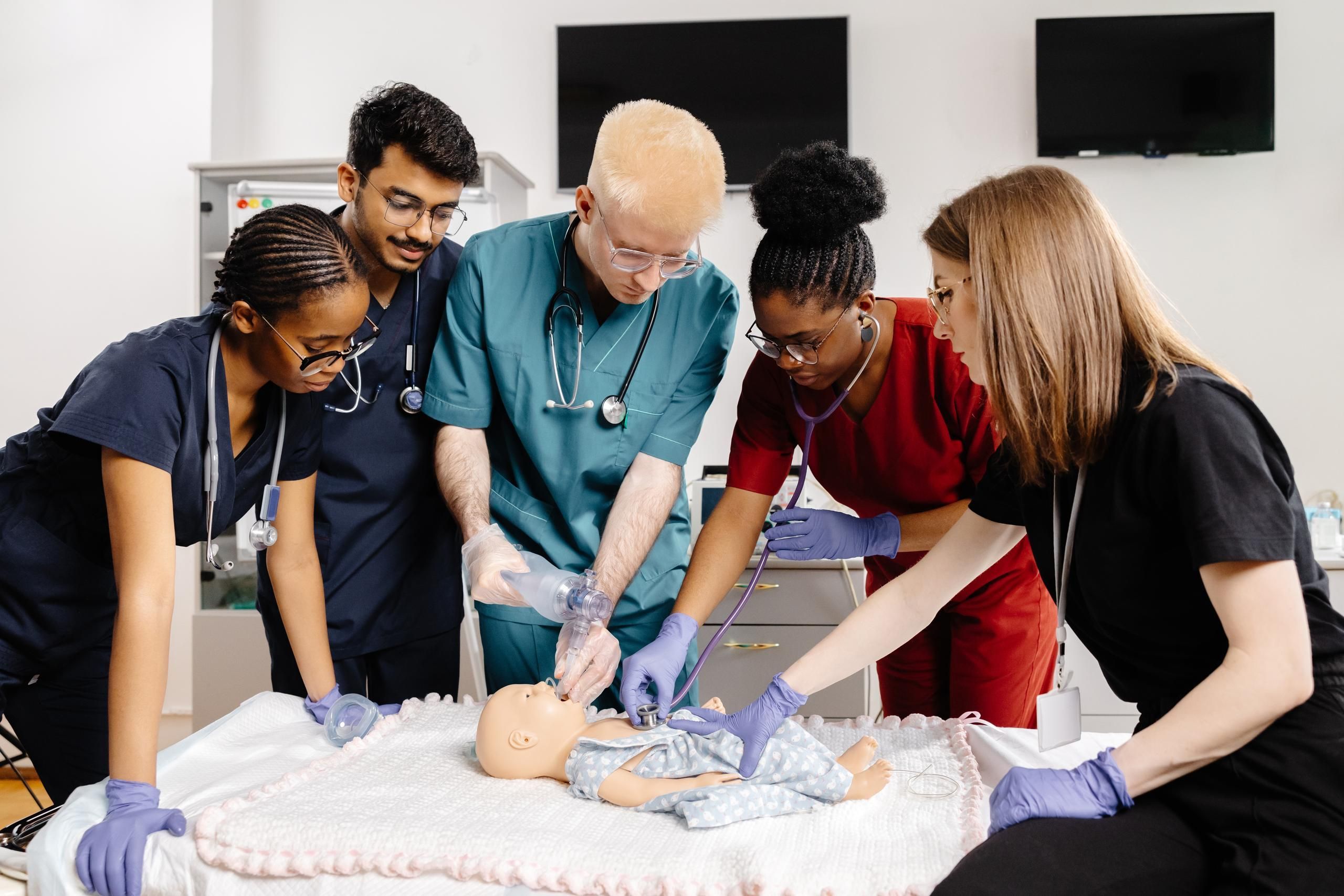
A Healthcare Simulation Educator is a clinical simulation professional whose responsibility is to develop and implement clinical simulation-based education designed to enhance patient safety and quality during healthcare delivery. Also referred to as a Clinical Simulation Educator, Simulation Clinical Educator, Simulation Facilitator, and Simulation Faculty, this position is extremely important across the field of healthcare simulation. In addition to designing the plan of delivery for healthcare simulation instruction, Clinical Simulation Educators also help coordinate a number of key components of medical simulation programs delivered by either a healthcare simulation center or an institution or facility. This HealthySimulation.com article by Founder/CEO Lance Baily will highlight the role and responsibilities of a healthcare simulation educator.
What is a Healthcare Simulation Educator?
A healthcare Simulation Educator as defined by Tamás et al., (2019, p. 36), “ Simulation educators (SEs) are a new and expanding group of professionals who are expected to have special pedagogical knowledge in addition to their expert knowledge within a given clinical specialty. There are a growing number of national and international credential programs for SEs, focusing on various aspects of medical simulation. Trained educators are considered to represent one of the three essential components for a successful simulation. They usually work both at simulation centers and in health care, and thus possess dual expertise.”
A healthcare Distance Simulation Educator, as defined in the Healthcare Simulation Dictionary, is “A person who uses simulation methods in real time for health care professionals in a virtual, online, or digital environment, using evidence-based practices and strategies to educate participants to the highest standards of care in the skill of patient management”(Bajwa et al., 2024, p. 2.).
View the HealthySimulation.com Course Medical Simulation Training CE Course to learn more!
Healthcare Simulation Educator Professional Development
A Healthcare Simulation Educator can obtain professional training in best practices through formal education programs, workshops, and healthcare simulation not-for-profit organizations. Some organizations have developed in-house professional development opportunities, while others provide support for healthcare simulation educators to attend other programs. Here are some resources
- Healthcare Simulation Degree Programs
- Not-for-Profit Organizations: International and Regional
- Annual Conferences
- Regional Workshops
Of course, the world’s leading resource website HealthySimulation.com offers thousands of articles and hundreds of CE/CME webinars summarized by weekly email newsletters which showcase the latest healthcare simulation community research, event updates, job listings, expert guides, weekly technology demonstrations and more. The website also covers international non-profit organizations (NPOs) which support healthcare simulation professionals across regions, disciplines, professions and technologies. Here are just a handful of HealthySimulation.com Not-For-Profit Organizations media partners:
ASPE: ASPE is an international organization of educators dedicated to human simulation through: promoting best practices in the application of SP methodology for education, assessment, and research; fostering the dissemination of research and scholarship in the field of SP methodology; advancing the professional knowledge and skills of its members and affiliates, elevating the profession’s credibility and expertise; and engaging actively with members, educators, and learners beyond borders; modeling social justice, and embracing inclusivity.
ASPiH: ASPiH is a not-for-profit membership association comprising members drawn from healthcare, education, and patient safety backgrounds, including researchers, learning technologists, workforce development or education managers, administrators, and healthcare staff and students.
INACSL: The International Nursing Association of Clinical Simulation and Learning (INACSL) is committed to advancing the science of healthcare simulation. The NPO’s vision is to become the global leader in transforming practice to improve patient safety through excellence in healthcare simulation, who equip their members with the latest research and educational strategies to further impact learning outcomes and enhance patient health across the continuum of care.
IPSS: IPSS is a global community of pediatricians, pediatric subspecialists, pediatric nurses, advanced practice providers, educators, and other allied health professionals from over 30 countries, all dedicated to improving the care of infants and children worldwide through multi-disciplinary, simulation-based education, training, and research in pediatric simulation. They strive to bring the knowledge and skills we have gained to the widest possible audience and welcome all healthcare professionals who care for children and infants, regardless of where clinical educators practice.
NLN: NLN’s goal is to develop a community of nurse educators who can effectively use simulation to promote and evaluate student learning and who dialogue with one another to advance simulation in nursing education. The NLN Simulation Innovation Resource Center is a collaborative alliance between the NLN and Laerdal Medical.
View the new HealthySimulation.com Community Nursing Simulation Group to discuss this topic with your Global Healthcare Simulation peers!
Certification as a Healthcare Simulation Educator
Another Simulation Educator credential, a Certified Healthcare Simulation Educator (CHSE) certification, may be preferred prior to or during employment. As the role requires that a professional have prior experience in a learner-centric, at least three years of clinical experience, and hands-on training, this certification helps to recognize expertise in the field. The CHSE certification is intended for individuals who perform healthcare simulation in the educator role without restriction to:
- Simulation modality
- Setting (locations where simulation takes place)
- Geographic location
- Learner population
- Function (e.g. teaching, assessment)
- Profession
In Canada, the Canadian Certified Simulation Nurse Educator (CCSNE) certification for the nurse educator who works in simulation represents a national mark of excellence in the field of teaching and education related to simulation theory, design, practice, and scholarship. It communicates to academic institutions, faculty, students, and the community that the educator has achieved and maintains a high academic standard in this area of nursing practice. Those candidates who are successful on the CCSNE exam will earn the CCSNE designation, which includes the right to include it in their signature and the CCSNE pin. The primary goal of the CCSNE certification is to promote high-quality nursing education in Canada by fostering excellence among nurse educators who use simulation in their teaching.
The ASPiH recognition differs from other certifications, as this is a portfolio-based application and evaluation. The ASPiH is titled as an accreditation for individuals and institutions. There are two key documents recommended to review before the start of the ASPiH Accreditation application: ASPiH SBE Accreditation Guidance 2019 and The ASPiH Standards for SBE Framework. There are also assessment descriptor matrices to help applicants to have a better understanding of what is expected by reviewers in each of the sections of the individual and organizational application forms.
Work Environments
Today, the majority of Healthcare simulation Educators work in academic departments or hospital education departments. In this role the Simulation Educator can build curriculum with clinical simulation scenarios embedded into the course, create healthcare simulation courses and programs for an academic degree, create simulation scenarios for new protocol implementation to improve patient care and outcomes, transition to practice simulation programs, annual practice for low-frequency, high-risk scenarios, and high-frequency scenarios.
A critical area to focus is on communication and teamwork. As healthcare professionals transition to the workforce, they need to learn to work as effective teams for the best patient outcomes. Clinical simulation is an excellent opportunity for healthcare professionals to practice soft skills along with clinical psychomotor skills. The skills can be implemented in skills lab, high-fidelity simulation labs, in-situ, and virtual environments.
Another opportunity for Healthcare Simulation Educators is to conduct research to evaluate the impact on the individual and the team. Gaps remain in the knowledge for the impact of clinical simulation on teams, valid reliable measurement evaluation tools, impact on patient outcomes, and the return on investment (ROI) for clinical simulation.
Learn More About Simulation Training in Healthcare!
References:
- Bajwa, M., Ahmed, R., Lababidi, H., Morris, M., Morton, A., Mosher, C., Wawersik, D., Herx-Weaver, A., Gross, I., & Palaganas, J. C. (2024). Development of distance simulation educator guidelines in healthcare: A Delphi method application. Simulation in Healthcare, 19(1), 1-10.
- Tamas, E., Källestedt, M. L. S., Hult, H., Karlgren, K., & Allvin, R. (2019). Closing the gap: Experienced simulation educators’ role and impact on everyday health care. Journal of Continuing Education in the Health Professions, 39(1), 36-41.