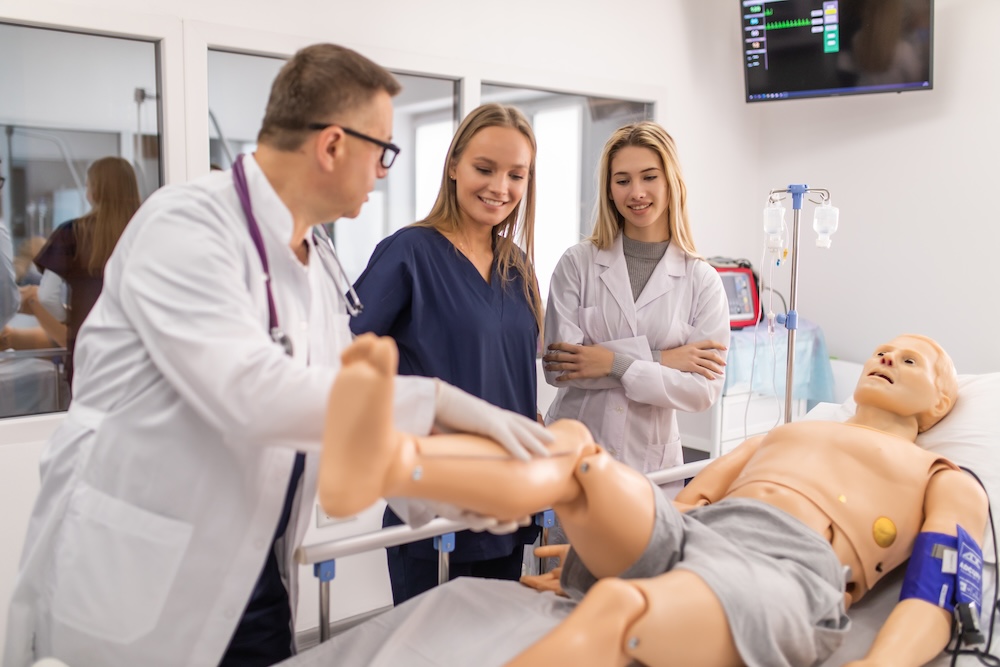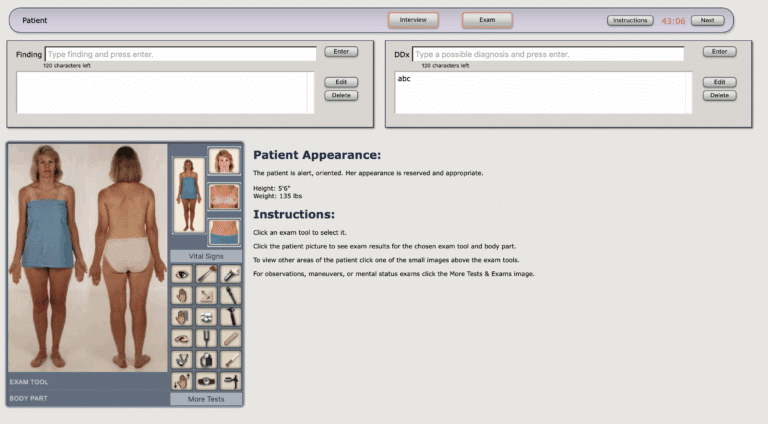

Healthcare Simulation in Nursing Education is used to teach learners concepts related to the care of patients who are either sick or infirm. Through the replication of real-world nursing scenarios and experiences, learners can practice the skills necessary to succeed in the field, without ever putting a real-life patient at risk. The use of carefully controlled and monitored settings enables trainees to receive constructive feedback that enhances their overall clinical knowledge and skills. As a proud media partner of INACSL and the NLN, this HealthySimulation.com article will highlight the significance of clinical simulation in nursing education.
Purpose of Nursing Simulation
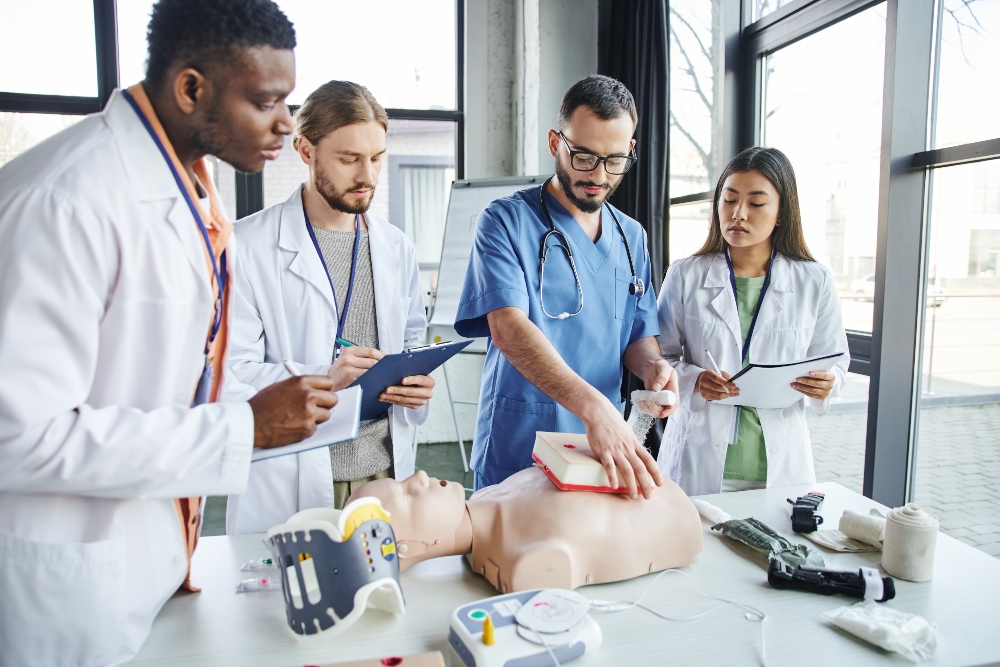
Clinical simulation has become increasingly popular across various educational settings, including Simulation in Nursing Education, which has helped shape the next generation of nursing students, graduates, and clinicians. Although certain elements of nursing education have utilized healthcare simulation for learning purposes for some time, including taking blood pressure readings and performing CPR or inserting foley catheters, simulation labs have led to the development of even more simulation scenarios.
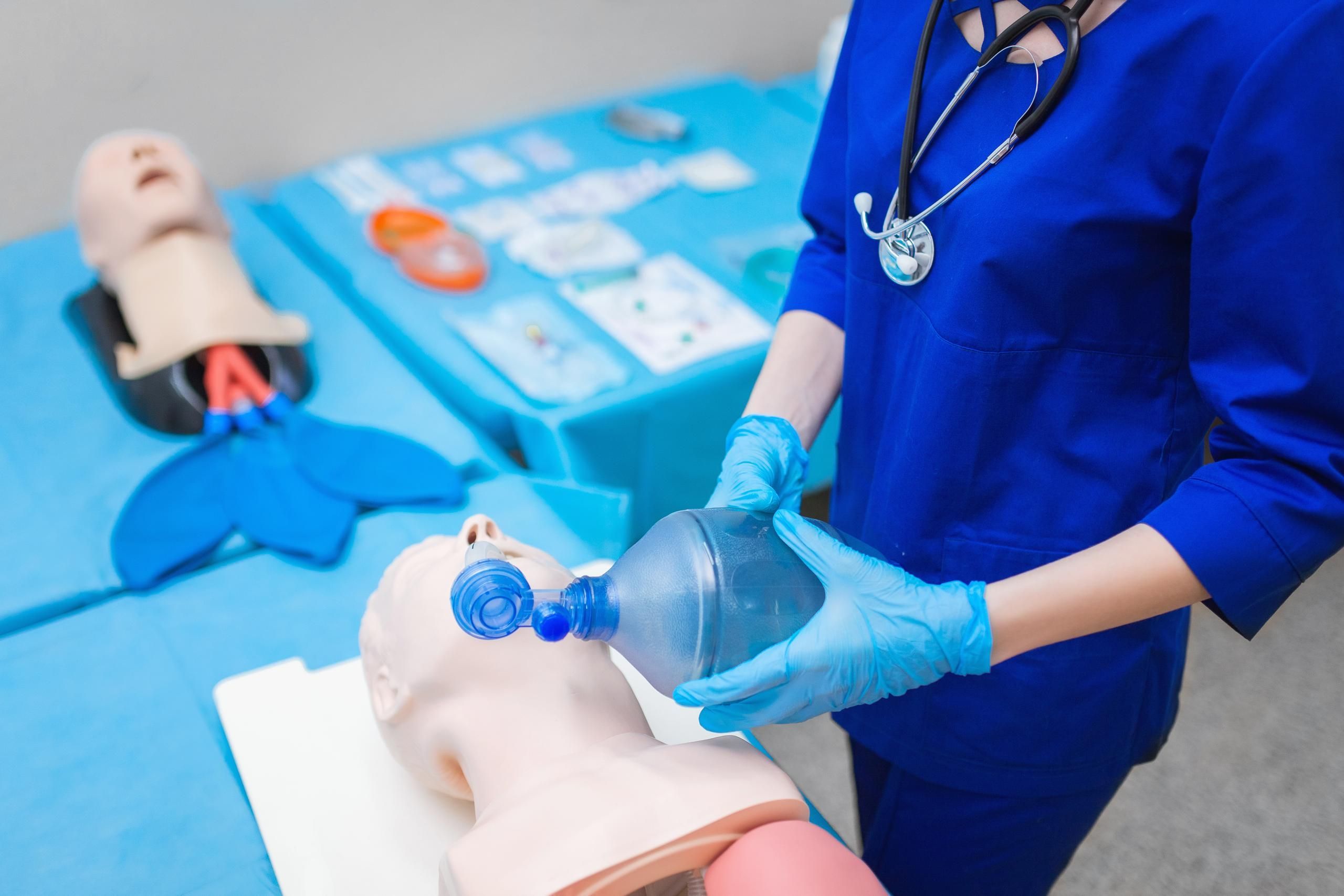
Through simulation, learners can practice essential elements of physical care, such as the administration of medication, which includes injections or intubation on manikins. Educational labs in nursing schools utilize a variety of manikins, modalities, and technologies. These include, but are not limited to:
- Task Trainer
- Full Body Manikin
- Low – to High-Fidelity
- Standardized Patients
- Wearable Simulators
- Soft Skills Training
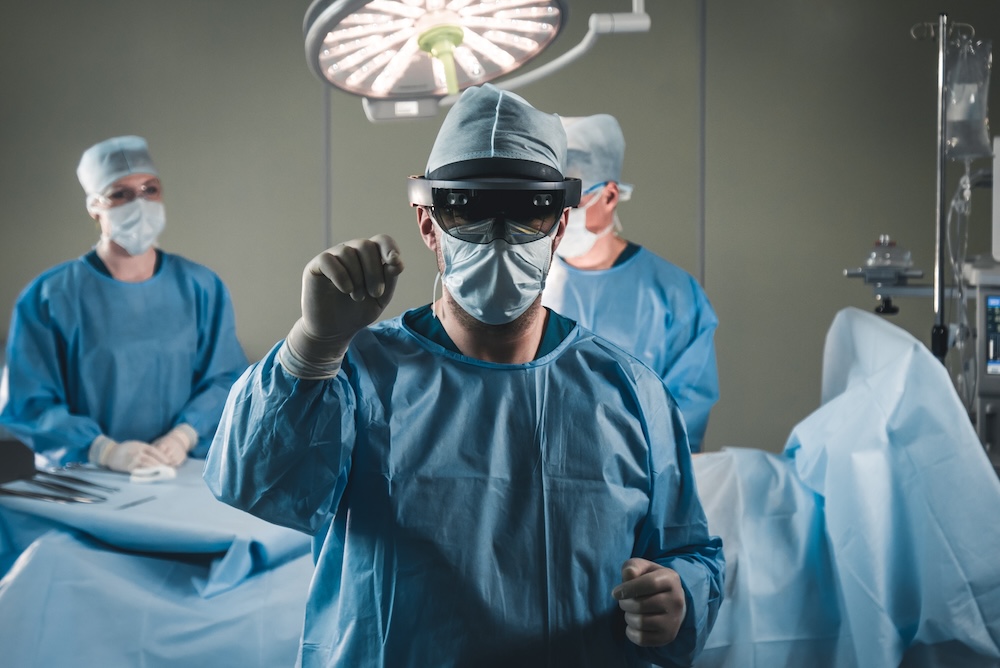
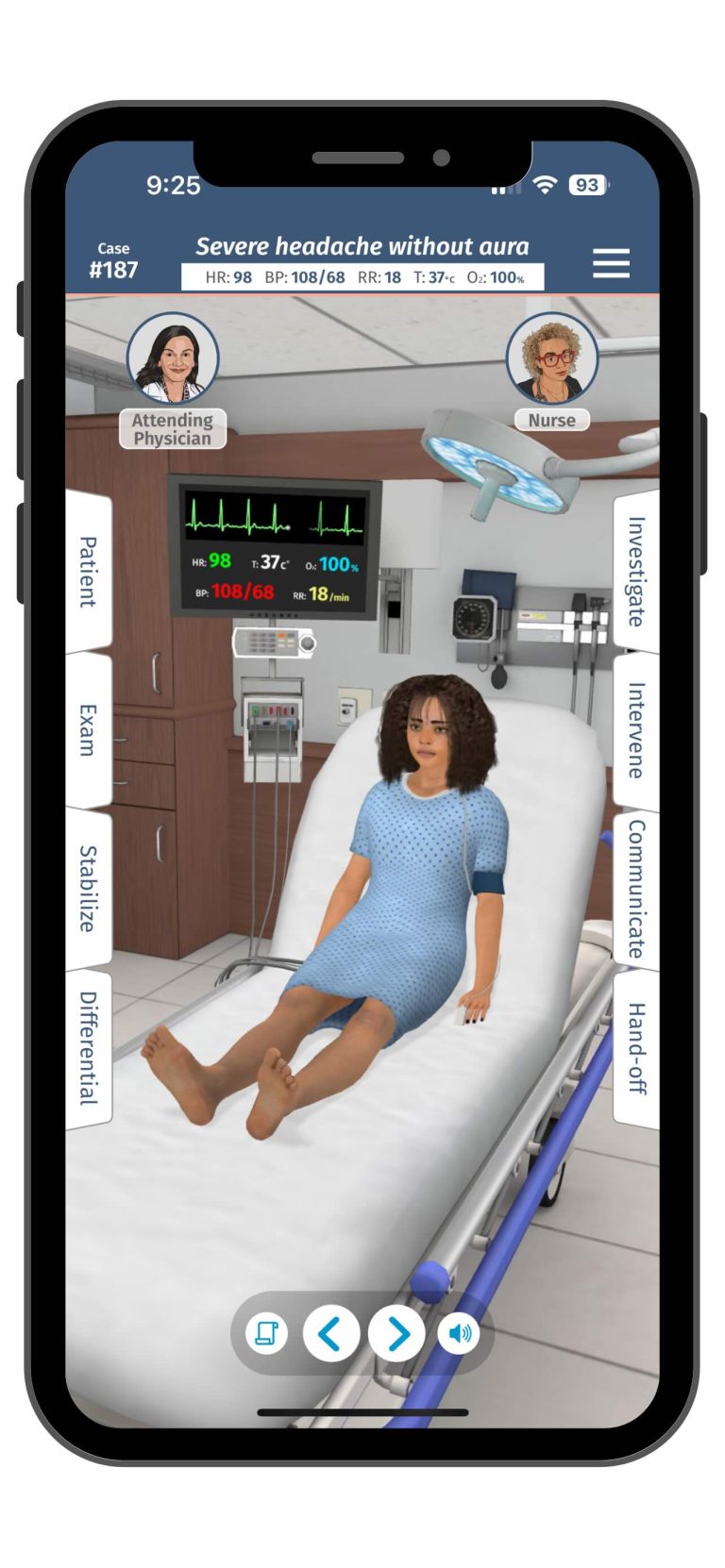
- Virtual Reality: Screen-Based Simulation and Headset
- Extended Reality
- Augmented Reality
The reality is that safety is one of the greatest benefits of nursing simulation that allows nursing students to truly hone their abilities and skills—and commit every possible error—without harming real patients. Participation in a clinical simulation where there are no penalties for mistakes is quite different from having clinical skills evaluated on a patient manikin in a simulation, and many learners appreciate the risk-free environment.
View the HealthySimulation.com Webinar The Roadmap to Standardizing Undergraduate Healthcare Simulation Curriculum to learn more!
Effectiveness of Nursing Simulation
Controlled learning environments alleviate the need for nursing education programs to locate clinical patients willing to be physically present and participate in the training process of nursing students. According to the NCSBN National Simulation Study: “A longitudinal, randomized, controlled study replacing clinical hours with simulation in pre-licensure nursing education,” demonstrated that “up to 50 percent of clinical hours in a pre-licensure RN program may be replaced by simulated experiences without negative impacts on learning outcomes.” A key factor in this seminal study was the use of high-quality clinical simulation based on the INACSL Simulation Standards of Best Practice.
Nursing simulation can be used to assess and evaluate learners. A valuable resource for evaluation tools is the Evaluating Healthcare Simulation housed on HealthySimulation.com.
Types of Nursing Simulation Fidelity and Modality
There are many options available for simulation equipment. These training tools range from low-fidelity anatomical models used by learners to practice injections and other skills, to high-fidelity manikins that reproduce physiologic functions and are programmed to respond to interventions in real time. The fidelity and modality should be chosen to meet the objectives and outcomes of the simulation experience. Another main goal is to achieve as much realism as possible to reflect the clinical environment. Medical supplies and medical or simulated medical equipment enhance the realism and authenticity of each simulation.
Additionally, audio-video recording devices enable learners to review their own performance or have them reviewed by an experienced professional. Virtual reality applications also offer new possibilities for developing immersive clinical experiences, and many software packages that run on various platforms are available.
With many educational and training uses, simulated scenarios should not be limited to academic learners. Many healthcare simulation programs exist to help practicing clinicians further their training or to assist hospitals. The goal of practicing clinicians’ participation in healthcare simulation is to practice high-occurrence and low-risk scenarios along with low-occurrence and high-risk scenarios. In simulated settings, the practice aims to achieve benchmarks such as low infection rates and early identification and management of sepsis.
The training for clinicians can also be used to emphasize the importance of teamwork, crisis resource management, and error prevention. This is especially true in such specialties as anesthesiology, labor and delivery, emergency medicine, intensive care, and pediatrics. Licensed nurses who participate in medical simulation can even receive a certificate of attendance, with credit hours that may be converted to CEs or CEUs.
Potential Challenges for Nursing Simulation Use
While healthcare simulation has proven advantageous to both learners and professionals, facilities that employ the technology must understand that faculty time is needed to develop simulation learning experiences. Despite learners not necessarily requiring the same intensity of faculty-learner contact required for placements in practice settings, each scenario can turn out to be equally as demanding.
Another potential hurdle is that when equipment and technology are used, expenses build quickly. The costs of setting up a simulation environment can swiftly reach hundreds of thousands of dollars.
Aside from expenses, numerous factors have been driving the proliferation of simulation training, including an increase in the number of undergraduate nursing programs. This has led to more competition for clinical placement sites. By transforming nursing education from content delivery to contextual learning, simulation offers trainees many of the experiences they need to safely transition into practice, and therefore, Healthcare Simulation in Nursing Education is encouraged by many healthcare professionals to alter existing pedagogical approaches.
View the new HealthySimulation.com Community Nursing Simulation Group to discuss this topic with your Global Healthcare Simulation peers!
HealthySimulation.com Nursing Simulation Resources
HealthySimulation.com offers weekly webinars, with many offering CA-BRN licensed CEs. There is also a weekly newsletter summarizing the latest nursing simulation resources including new job listings, upcoming events, nursing simulator product directory, and more! Sign up today for our free newsletter to get started with nursing simulation!
NLN SIRC: National League of Nurses Simulation Innovation Resource Center
The SIRC was founded after representatives from Laerdal Medical met with NLN staff and Pamela R. Jeffries, PhD, RN, FAAN, ANEF, FSSH, in the fall of 2006 to discuss what resources were needed to enable nurse educators to move forward and incorporate clinical simulation into their teaching. At that time, there were few resources available for faculty development in nursing simulation pedagogy and implementation. Initially, the representatives proposed a website that would provide a variety of healthcare simulation resources. The site would also establish a community where nurse educators could learn to effectively use simulation to promote learning and advance healthcare simulation in nursing education. This is how the SIRC project was born.
NLN Simulation Innovation Resource Center courses are an online e-learning solution for healthcare simulation faculty and staff development. The courses include topics covering everything from the basics of integrating and debriefing clinical simulations, to conducting evaluation and research. Continuing Education (CE) credits are offered for each of these clinical simulation courses.
INACSL: The International Nursing Association for Clinical and Simulation Learning
INACSL, the International Nursing Association for Clinical and Simulation Learning, a non-profit organization, is dedicated to advancing healthcare simulation science. With over 3,100 members worldwide, the organization’s mission is to be the global leader in the art and science of healthcare simulation through excellence in nursing education, practice, and research. INACSL’s goal is also to advance the science of nursing simulation by providing professional development, networking resources, and leadership in defining healthcare simulation standards of best practice.
INACSL’s major priority and contribution to medical simulation are the carefully developed standards for simulation practice. Since the original publication in 2011, the INACSL Standards of Best Practice have guided the integration, use, and advancement of simulation-based experiences within academia, clinical practice, and research. They are designed to advance the science of clinical simulation, share best practices, and provide evidence-based guidelines for the practice and development of a comprehensive standard of practice. These Standards of Best Practice are updated regularly. The INACSL Healthcare Simulation Standards of Best Practice are freely accessible.
Healthcare Simulationist Professional Development
To develop high-quality clinical simulation experiences, healthcare simulation professionals must be trained to develop and implement strategies that yield the best learner outcomes.
- INACSL HSSOBP
- NLN SIRC
- Faculty Development Courses
- Attend Healthcare Simulation Conferences
- Debriefing Courses
- Healthcare Simulation Degrees
- Healthcare Simulation Programs
- Non-Profit Organizations
- Online Healthcare Resources
- Healthcare Simulation Journals
- Certification as a simulation educator
- Certification as a simulation operations specialist
- Healthcare Simulation Program Accreditation/Endorsement