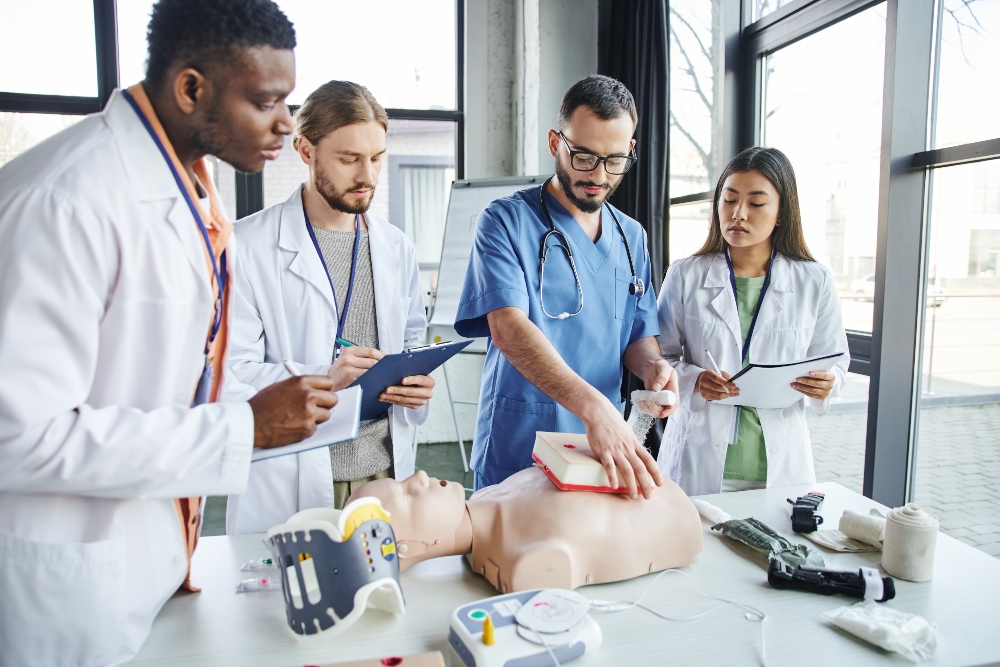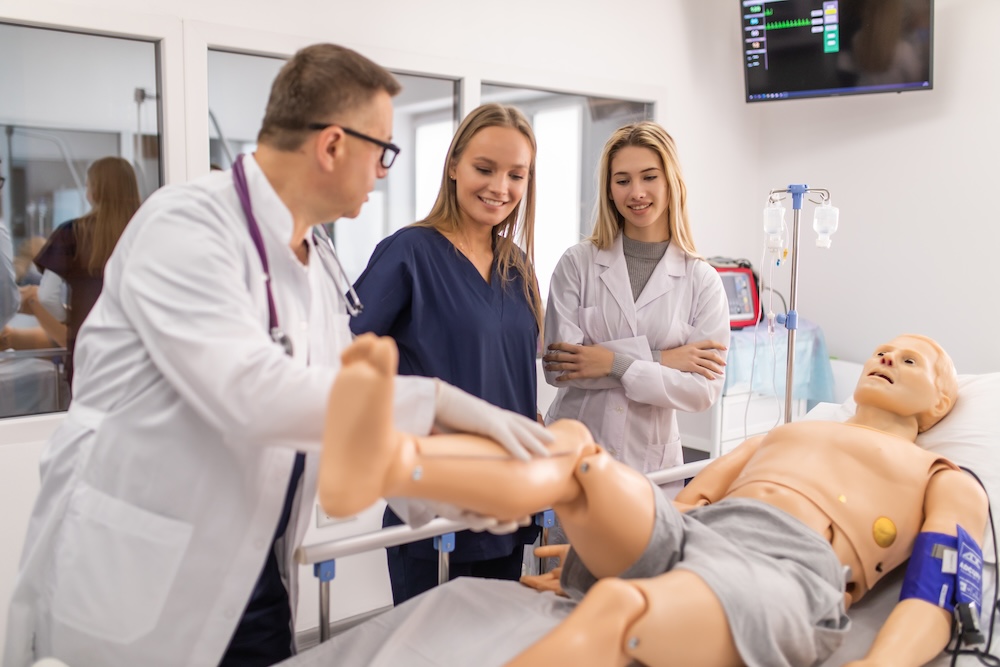


Healthcare simulation is a powerful tool that can be used to bridge the gap between classroom theory and clinical practice. At the heart of this process lies the debriefing, the critical reflective component where much of the true learning occurs. Healthcare simulation debriefing allows students to explore what guided their decisions, analyze outcomes, and consider how they might respond differently in future clinical situations. Novice simulation facilitators may find difficulty in the management of the debriefing process. They may be overwhelmed, especially when learners repeatedly make the same mistakes or seem to miss key objectives. This frustration can sometimes shift the focus from learning to correction, resulting in a debriefing experience that feels more punitive than productive. This HealthySimulation.com article by Ciara Berry, DNP, RN, CHSE, CNEcl, presents five key strategies to help novice facilitators manage feelings of frustration that may arise during a healthcare simulation debriefing.
View the HealthySimulation.com Webinar Using a Student-Centric Model to Achieve Full Participation in Healthcare Simulation Experiences to learn more!
Strategies to Manage Debriefing
When educators are aware of their emotional responses, they can apply appropriate coping strategies to facilitate debriefings that are both effective and psychologically safe. These strategies will help these educators create an optimal learning environment where students feel supported. The recommended techniques help novice facilitators build trust with learners, strengthen communication, and boost students’ confidence in healthcare simulation as a valuable part of their educational journey
Tip 1: Reconnect with the Purpose of Healthcare Simulation Debriefing
The purpose of debriefing is not to correct every error or dominate the conversation, but to facilitate student reflection. Healthcare Simulation debriefing should be learner-centered and should encourage students to speak freely about their thought processes, actions, and emotions during the medical simulation. When students articulate their rationale, facilitators gain valuable insight into how they clinically think. Frustration often arises when facilitators focus too heavily on what should have happened, rather than exploring why students made the choices they did. To rectify this practice, facilitators should take a step back, ask open-ended questions, and allow students to guide the discussion. Learning is far more impactful when students discover insights on their own.
Tip 2: Use a Structured Debriefing Model
A consistent debriefing framework is essential—especially for facilitators new to simulation programs. Structured models such as PEARLS, Debriefing for Meaningful Learning (DML), or the Plus/Delta approach provide clear guidance and help ensure that every student receives a balanced, constructive debriefing experience. Simulation programs should consider having printed copies of their chosen model readily available during sessions, as this can serve as helpful guides and reduce the cognitive load for novice facilitators. Institutions should also ensure facilitators receive training in using these models to build consistency and confidence.
View the HealthySimulation.com Webinar Streamlining Clinical Simulation Debriefing: A Standardized Script for Best Practices to learn more!
Tip 3: Develop Targeted Healthcare Simulation Debriefing Points
Every healthcare simulation should be aligned with clearly defined objectives. A list of debriefing prompts or “discussion points” that match the clinical simulation objectives helps the facilitator stay on track and ensures discussion of the most important goals. The facilitator should not call out every mistake. Instead, focus should stay on the key lessons that match the purpose of the session. This method keeps the conversation structured and lowers the urge to correct every error, which helps students take part in meaningful reflection.
Tip 4: Practice Mindfulness Before Healthcare Simulation Debriefing
A facilitator should realize that they may feel frustrated, which is normal, but they must be mindful not to bring that frustration into the debriefing space. Before entering the room, take a moment to reset. Take a deep breath and visualize a successful session. Pause and refocus on student learning objectives. Most facilitators have the best intentions when providing feedback to learners in a healthcare simulation, as facilitator thought process usually focuses on correction to enhance future clinical performance.
While their intentions may be good, learners can perceive this feedback negatively if managed incorrectly. This can undermine the sense of psychological safety, a critical component often emphasized in simulation-based activities. This can also skew the learner’s perception of future nursing simulation experiences. Mindfulness helps facilitators stay grounded, objective, and compassionate. Debriefing is not about judgment, but about growth. Facilitators should set aside personal expectations, and meeting learners where they are creates an environment where students feel safe to share and engage.
View the new HealthySimulation.com Community Debriefing Group to discuss this topic with your Global Healthcare Simulation peers!
Tip 5: Prioritize Ongoing Professional Development
Debriefing is a skill, and like any skill, requires intentional practice and feedback. All facilitators should receive initial and ongoing training in simulation-based debriefing. Institutions can support professional development through workshops, peer review, and opportunities to co-facilitate with experienced colleagues. Professional development is important for institutions to understand that even highly skilled educators may require additional support and training to become effective debriefers. To be competent as a debriefer, the educator must be committed to follow the best practice standards that guide the use of debriefing in healthcare simulation.
Self-reflection tools, such as the Debriefing Assessment for Simulation in Healthcare (DASH), allow facilitators to assess their effectiveness and pinpoint areas for improvement. In addition to self-assessment, facilitators should review recorded debriefing sessions, collect student feedback, and receive peer input. These methods serve as valuable strategies to strengthen facilitation skills, reduce frustration, and improve the educator’s confidence in the facilitation of a debriefing session. They promote consistent growth, sustainable competency, and reinforce best practices in healthcare simulation education.
Key Points to Remember
Healthcare simulation debriefing serves as the foundation to guide learners to develop clinical judgment and clinical confidence. Although novice facilitators may encounter challenges, a structured approach supported by preparation, mentorship, and clear objectives can lead to successful outcomes. Institutions that emphasize student-centered strategies, adopt evidence-based debriefing models, and prioritize facilitator development set the stage for meaningful learning.
Debriefing is the key point in healthcare simulation where students connect the dots and meaningful learning truly takes place. In the reflective process, learners begin to make sense of their actions, decisions, and outcomes. When guided thoughtfully, debriefing reinforces clinical reasoning and builds confidence, to maintain the psychological safety essential for open discussion.
Facilitators play a crucial role in the development of these experiences. They create a supportive space where learners feel comfortable in the exploration of successes and mistakes. The importance of facilitators to approach debriefing with patience and professionalism, and avoid frustration even when learners struggle to articulate their thinking, is imperative. A calm, curious, and nonjudgmental approach helps preserve psychological safety and fosters trust. In doing so, debriefing not only enhances student outcomes but also promotes ongoing growth for educators themselves