

In clinical education, healthcare simulation centers often face challenges in efforts made to attract clinical specialties that prefer in-situ simulation within their own departments. This article by Rémy Roe, PhD, CHSE, East Florida Regional Director of GME Simulation at HCA Healthcare, explores effective strategies healthcare simulation professionals can utilize to engage clinical specialties in centralized simulation activities. This article will also discuss how comprehension and acknowledgement of both the appeal of in-situ simulation and the unique benefits of dedicated clinical simulation centers helps healthcare simulation professionals develop valid and persuasive arguments for specialty participation.
Specialty Preferences for In-Situ Simulation
Many clinical specialties, particularly procedural disciplines like surgery, express strong preferences for simulation activities within their own clinical environments. This preference stems from several factors that simulation centers must acknowledge. Convenience plays a major role in this preference. Clinical staff can participate in simulation activities without a change of location, which is easier to fit training into their busy schedules. The authentic environment also provides psychological fidelity, as participants practice in the same spaces where they deliver actual patient care.
Equipment familiarity represents another significant factor. In-situ simulation allows practitioners to use the exact tools, devices, and equipment they employ daily. This familiarity eliminates the need to adapt to simulation center equipment that may differ from clinical tools. Moreover, team composition in in-situ simulation typically mirrors actual clinical teams, with participants working alongside their regular colleagues. This arrangement facilitates realistic team dynamics and communication patterns that reflect everyday practice.
View the HealthySimulation.com Webinar Increasing Clinical Team Efficiency with Pediatric Simulation at Stanford’s Community Teaching Hospital to learn more!
The Limitations of In-Situ Simulation
While there is absolutely some appeal to in-situ simulation, healthcare simulation teams can highlight several limitations that may affect educational outcomes. These drawbacks provide conversation points throughout discussions with specialty leaders about centralized simulation options. For example, clinical interruptions present a common challenge for in-situ simulation. Activities conducted in clinical environments face frequent disruptions from actual patient care needs and potentially compromise learning objectives. These interruptions can fragment the educational experience and reduce overall effectiveness.
Space constraints often limit the scope and complexity of in-situ simulation scenarios. Clinical areas typically lack dedicated debriefing spaces, observation areas, or control rooms that enhance the educational experience. These limitations can restrict the depth of learning. Equipment availability can also become problematic when clinical tools must serve dual purposes for both simulation and patient care. This dual-use situation creates potential conflicts and may restrict simulation activities throughout busy clinical periods.
Recording capabilities often prove limited in clinical environments. Without proper audiovisual infrastructure, performance capture for detailed debriefs becomes difficult. This limitation reduces opportunities for video-based reflection and analysis.
Benefits of Centralized Simulation Centers
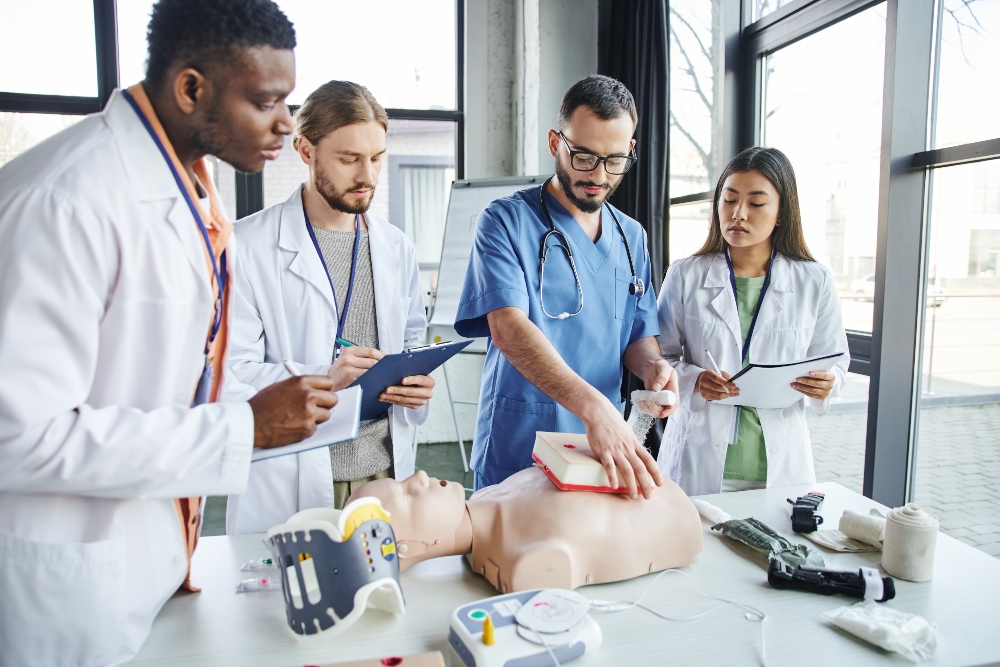
Healthcare simulation teams can emphasize several distinct advantages of centralized simulation facilities when they engage with specialty departments. These benefits address many limitations of in-situ approaches and simultaneously offer additional value. Dedicated educational space represents a primary advantage of centralized simulation. Purpose-built facilities provide optimal educational environments free from clinical distractions. These spaces include appropriate debrief rooms, observation areas, and control rooms that enhance the educational experience.
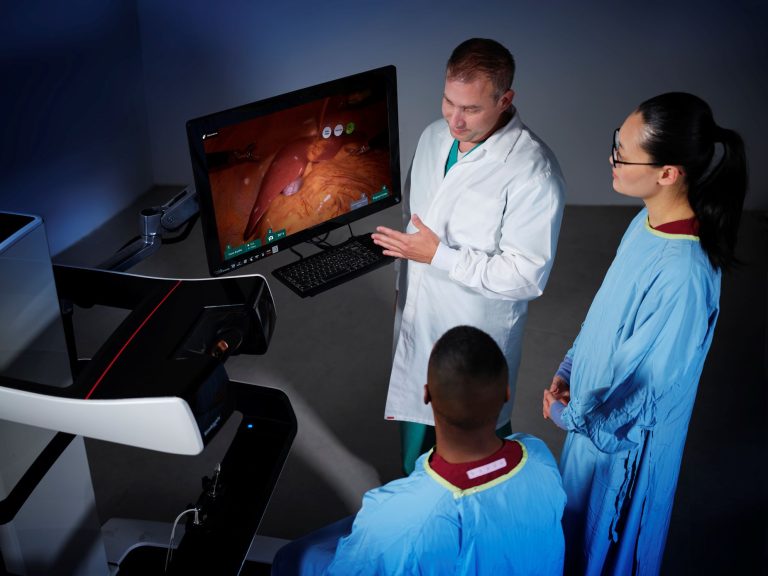
Advanced technology infrastructure typically exceeds what most clinical areas can support. High-fidelity manikins, specialized task trainers, and comprehensive audiovisual systems provide educational capabilities beyond in-situ options. This technology enables more complex scenarios and detailed performance analysis. Healthcare simulation expertise concentrated in centralized facilities also offers significant educational value. Dedicated simulation staff provide specialized knowledge in scenario design, equipment operation, and debrief techniques that may not exist within specialty departments. This expertise unequivocally enhances the quality of clinical simulation activities.
Finally, interdisciplinary opportunities emerge naturally in centralized simulation centers. These facilities can facilitate interactions between different specialties and professions that rarely occur in specialty-specific environments. Such interdisciplinary exposure adds educational value beyond technical skill development.
View the new HealthySimulation.com Community Administrators Group to discuss this topic with your Global Healthcare Simulation peers!
Strategies for Clinical Specialty Engagement
Healthcare simulation professionals can employ several strategic approaches to encourage specialty participation in centralized simulation activities. These strategies address common concerns and highlight unique benefits. For example, needs assessments represent an essential first step. Meeting with specialty leaders to understand their specific educational challenges, goals, and preferences demonstrates respect for their perspective. This information helps tailor clinical simulations to address actual needs rather than presumed interests.
Mobile simulation options provide a potential middle ground between fully centralized and in-situ approaches. Clinical simulation centers can develop capabilities to transport key equipment and expertise to specialty areas when necessary. This flexibility shows a willingness to accommodate specialty preferences and still maintain simulation quality. Customized environments within the simulation center can also address concerns about authenticity. The configuration of simulation spaces to closely resemble specialty-specific clinical environments demonstrates commitment to realism in training. This approach combines environmental fidelity with centralized simulation benefits.
Pilot programs are another opportunity to offer low-risk opportunities for specialties to experience centralized simulation. Proposing limited initial engagements with clear objectives and evaluation plans reduces perceived commitment. Positive experiences during these pilots often lead to expanded participation.
Relationship Building for Long-term Success in Medical Simulation
Beyond specific strategies, successful specialty engagement depends on thoughtful relationship development. There are several approaches that can help build sustainable partnerships with clinical specialties. Faculty champions within the specialty provide crucial internal advocacy. To identify and support clinical simulation enthusiasts in departments like surgery creates internal momentum for centralized simulation participation. These champions can help translate simulation value to their colleagues.
Data sharing from similar institutions can also strengthen the case for centralized simulation. Evidence of successful specialty participation at peer institutions helps overcome resistance based on tradition or assumption. This approach frames centralized simulation as standard practice rather than innovation. This should also be acknowledged that leadership engagement beyond the specialty level sometimes proves necessary. Discussions with hospital or health system executives can align simulation initiatives with broader institutional goals. This alignment often provides additional motivation for specialty participation.
Building Complementary Simulation Approaches: The Path Forward
This article, by Rémy Roe, PhD, CHSE, and Simulation Technology Specialist at the Stanford University School of Medicine’s Center for Immersive and Simulation-based Learning (CISL), has discussed approaches for engagement with clinical specialties in centralized simulation activities. Through a combination of comprehension of specialty preferences for in-situ simulation, acknowledgement of limitations, highlighting centralized facility benefits, development of engagement strategies, and the development of strong relationships, healthcare simulation professionals can create compelling value propositions for clinical specialty participation.
The goal should never focus on competition between simulation modalities but rather on selection of the most appropriate approach for specific learning objectives. Centralized simulation centers offer unique advantages for many educational needs, particularly those that require advanced technology, interdisciplinary interaction, or expert facilitation. The thoughtful integration of centralized and in-situ simulation provides the most comprehensive approach to healthcare education. Through the development of strategic partnerships with clinical specialties, healthcare simulation centers can expand their impact across the healthcare organization and contribute to improved patient care outcomes.