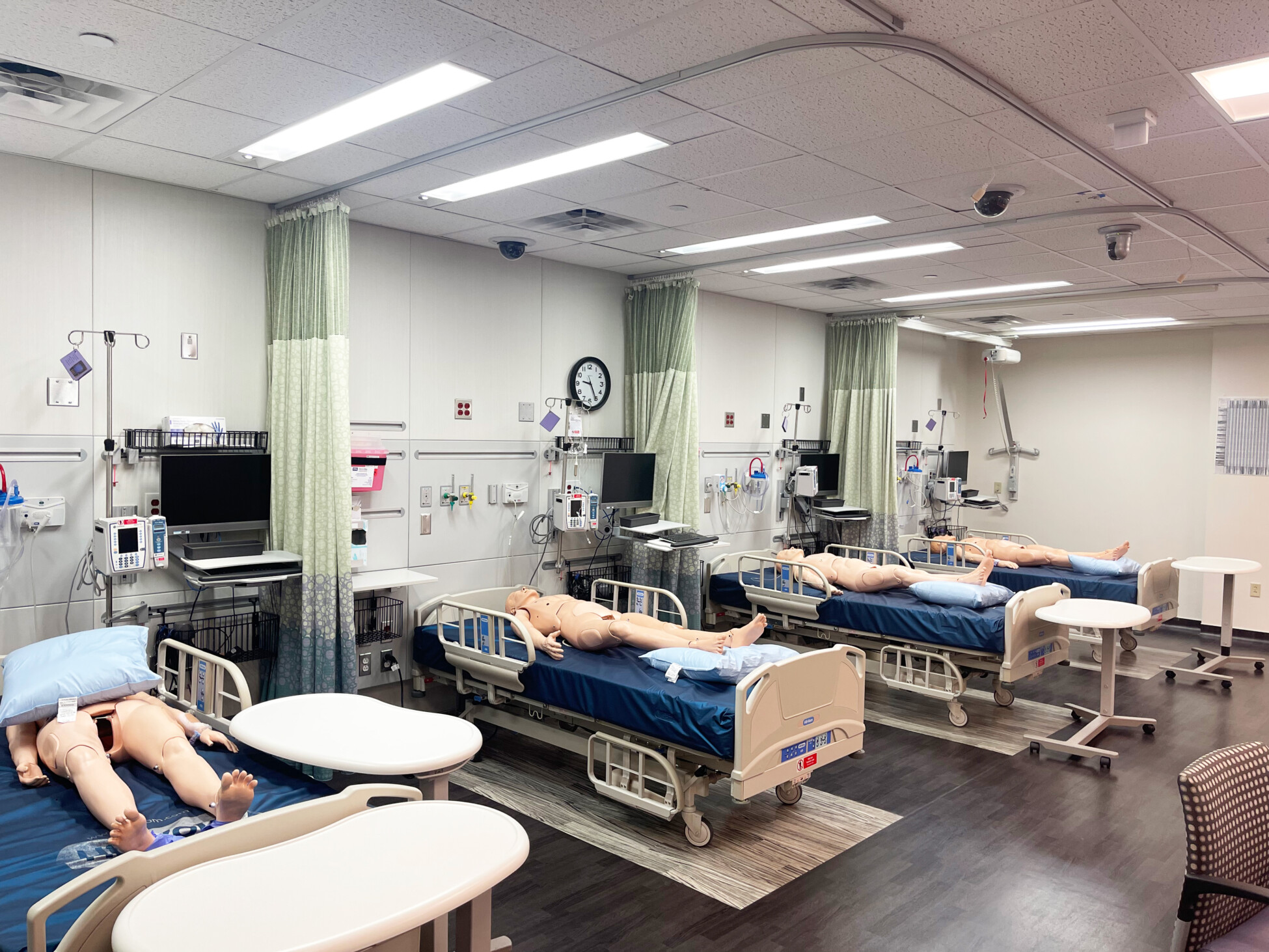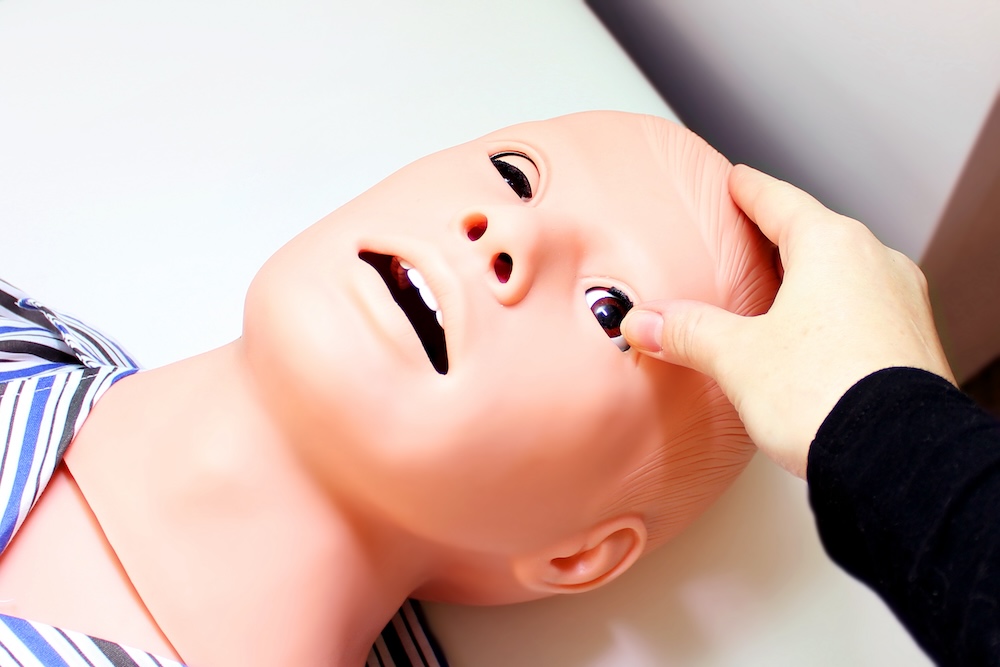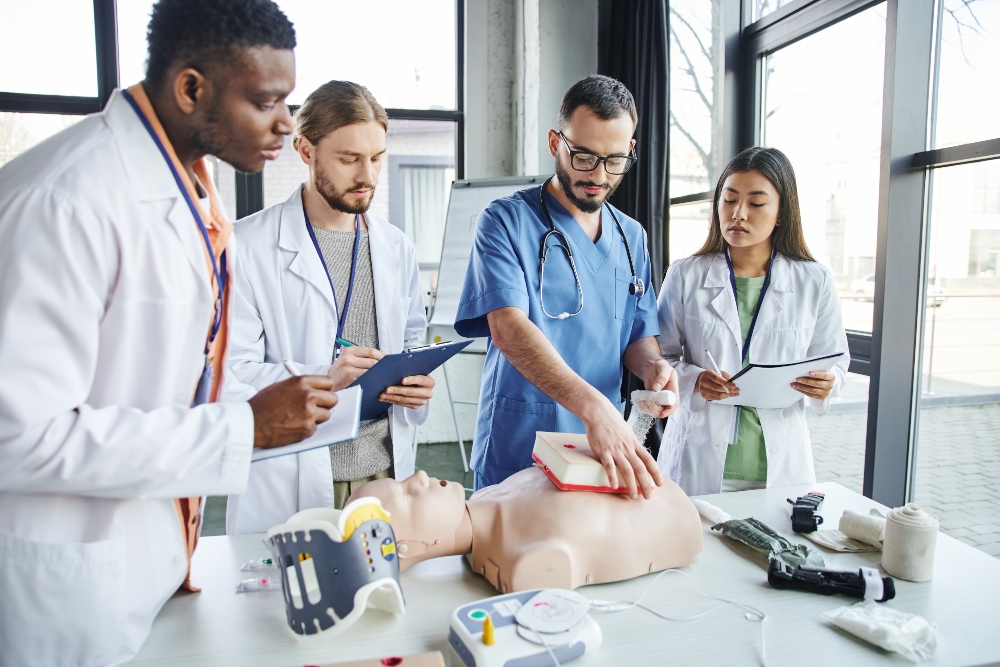

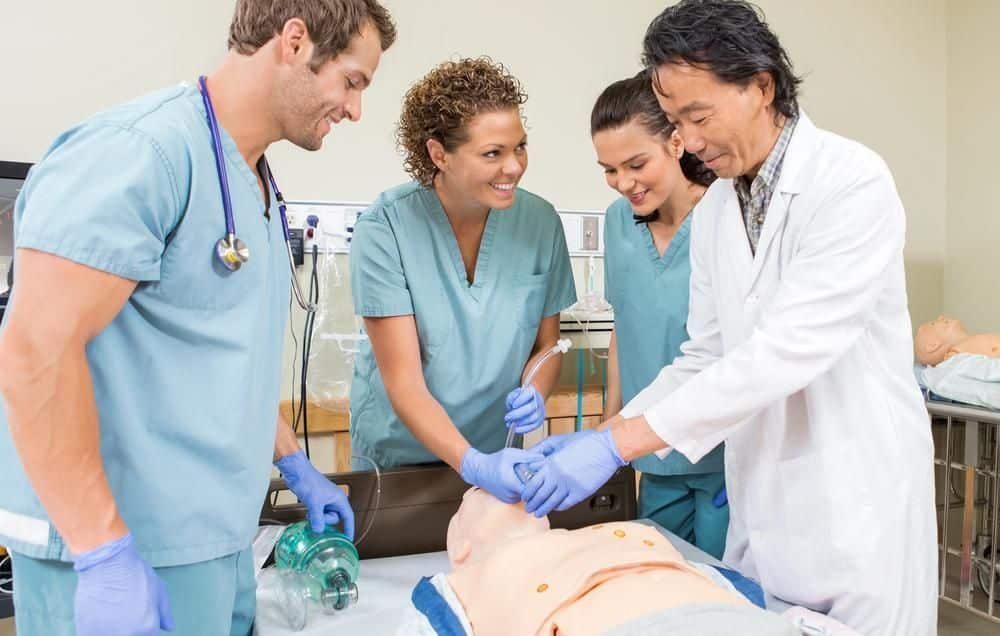
Simulation Center Tours aren’t just to show off fancy manikins and high-tech rooms. When done right, these walkthroughs are immersive storytelling experiences that highlight how healthcare simulation will shape the next generation of healthcare professionals. Whether the visitors are future students, healthcare leaders, or potential donors, a thoughtfully planned healthcare simulation center tour can impress, educate, and inspire. This article will highlight the practical, creative strategies to design simulation center tours that wow every kind of visitor through edutainment (that sweet spot between education and entertainment) to bring clinical simulation to life. These tips by Danny Opperman, Director of Clinical Simulation Education at the Philadelphia College of Osteopathic Medicine, are not just fluff; they are actionable ideas grounded in real-life experiences from successful tours across the medical simulation world.
Know Who is Scheduled for the Tour Before the Doors Swing Open
The first step to avoid is a guided tour that is the same tour for a pre-med high school group and a group of hospital administrators. The tour should be tailored based on knowledge of who is scheduled for the tour. Are the attendees interested in patient safety outcomes, high-fidelity simulation tech, or what makes your birthing manikin cry like a real baby?
A little recon goes a long way. Ask your visitors about their backgrounds and goals ahead of time. Then, match what is shown and speak to their interests. Future learners might want hands-on experiences with manikins and clinical simulation labs. Donors want to hear about outcomes and ROI. For educators, the tour should include the alignment to curriculum standards, competency-based assessments, and academic partnerships.
Do not forget to factor in cultural and institutional contexts. A group from a rural hospital may be more focused on cost-effective training tools and resource management. However, a delegation from a top-tier academic hospital might want to dive deep into your augmented reality (AR) capabilities and healthcare simulation research initiatives.
View the HealthySimulation.com Webinar Behind the Scenes with Data: The Unsung Hero of Healthcare Simulation to learn more!
Kick Things Off with a Bang (or at Least a Buzz)
First impressions matter, especially when you are trying to stand out among a sea of white walls and sterilized hallways. Start the tour with a friendly welcome, an engaging video clip, or a powerful statistic. Here is an example: “This simulation center has helped train over 12,000 healthcare learners in the past two years to improve real-world patient safety and outcomes across the region.” Boom. Now, the guide has the attendees’ attention.
Add a little sparkle with personalized welcome packets, center swag, or even simulation-themed snacks. (Suture cookies, anyone?) Play a highlight reel of past training events, community outreach programs, or medical simulation competitions to draw visitors into the action right away.
Show the Toys: Highlight the Technology
Let’s be real, technology is often the showstopper. People want to see the human patient simulators like SimMan 3G+, SimBaby, or that $100,000 maternal simulator that gives birth on cue. Demos help ground all the jargon. Show tour attendees how manikins respond to interventions, how VR and AR enhance anatomy education, and how data is collected in the debriefing.
A side-by-side comparison between textbook learning and simulation in healthcare can be powerful. For example, demonstrate how a learner might manage a STEMI patient in the classroom versus in a sim lab using high-fidelity simulation. Spoiler Alert: The clinical simulation is more memorable and fun. Make sure to include key performance data, if available. For example, “Learners who used our AR-based airway module scored 20% higher on final assessments.” This gets everyone’s attention.
Don’t Just Talk—Let Them Touch
The healthcare simulation lab is not a museum. Let visitors participate and:
- Push a code blue button
- Place an ultrasound probe
- Practice CPR with real-time feedback
- Even better? Set up a basic, interactive scenario where visitors become the team to respond to a fall in a long-term care facility or deliver a baby with the obstetric simulator
- Gamify the tour to challenge attendees to identify manikin injuries, solve moulage mysteries, or find hidden tools. (Escape room, simulation edition, anyone?)
- The more hands-on the experience, the more likely they are to remember the visit.
Consider attendee participation to “be the sim tech” for a few minutes. In this role, they can adjust manikin vitals from the control room or cue standardized patients. This allows the attendees to visualize both sides of the curtain, which builds appreciation for the complexity of healthcare simulation.
Tell the Stories that Stick
Data is great, but stories sell. Tour guides should share a quick case where training in your healthcare simulation lab directly impacted patient care. Maybe a nurse caught a medication error after the completion of a healthcare simulation module. Or a resident credited their airway management skills to repeated practice on a manikin.
Add testimonial quotes, video snippets from learners, or before-and-after comparisons. One example: “Before simulation training, learners averaged 5.5 minutes to begin CPR. Afterward, they averaged 1.8 minutes. That’s the difference between life and death.” People remember stories, especially ones with stakes, outcomes, and a human touch.
View the new HealthySimulation.com Community Administrators Group to discuss this topic with your Global Healthcare Simulation peers!
Education Explained Simply
Give the visitors the “why” answers. Why does Healthcare Simulation matter? Why do learners walk out more confident and competent? Use clear examples of how healthcare simulation improves situational awareness, critical thinking, and teamwork. Make sure to incorporate the “big wins”; examples include improved board exam pass rates or reductions in clinical errors.
If applicable, point to research projects, partnerships with educational institutions, and clinical outcomes tied to simulation training. Help visitors see how the sim center is not just shiny buildings; they are catalysts for better care.
A tour guide might say: “Simulation-based training helped reduce pediatric code blue events at our partner hospital by 40% in two years.” That information will be remembered.
Pull Back the Curtain
Take your guests behind the scenes to see the control rooms, AV gear, and Standardized patient prep areas. Be sure to show off the nerdy tech that powers the magic. People love to see what makes the mannequins talk and the monitors beep.
Let your Simulation Technicians and SPs shine. Make sure to include a short Q&A or fun trivia moment. “Guess how many wires are in our trauma bay setup?” Spoiler Alert: too many. This is also a chance to highlight the interprofessional teamwork required to make simulated healthcare experiences run smoothly, from scheduling and moulage to pre-briefing and debriefing. The complexity behind the scenes builds appreciation for the art and science of medical simulation.
Stick the Conclusion with a Strong Call to Action
Do not end the tour with a shrug. End the tour with an invitation. Encourage them to follow up—whether it’s signing up for a simulation-based course, applying for an upcoming semester, or sponsoring new equipment. Hand out takeaway cards with QR codes, links to the Simulation Center schedule, or info about upcoming Healthcare Simulation Conferences.
If possible, wrap the tour with a thank-you gift: branded pens, badge reels, or even a moulaged “bruise” temporary tattoo. Also, offer to take a group photo and email to the participants afterward with a personalized note or link to a post-tour feedback survey. This small gesture makes a big impression.
Leave Them Attendees with Things to Talk About
A well-executed healthcare simulation center Tour informs and inspires. The combination of tailored content, technology demos, interactive learning, and compelling stories allows the visitors to walk away with memories of not just what they saw, but how they felt.
Want to level up the tour game? Consider the creation of a staff training deck with best practices, example scripts, FAQs, and audience-specific tweaks. Consistency plus creativity equals unforgettable events. Also, consider the creation of themed tours: a “Donor Discovery Day,” a “Future Medics Experience,” or “Simulation Tech Behind-the-Scenes.” Personalization drives engagement between the stakeholders and the healthcare simulation lab.
Learn More About Networking to Increase Clinical Simulation Buy-in!