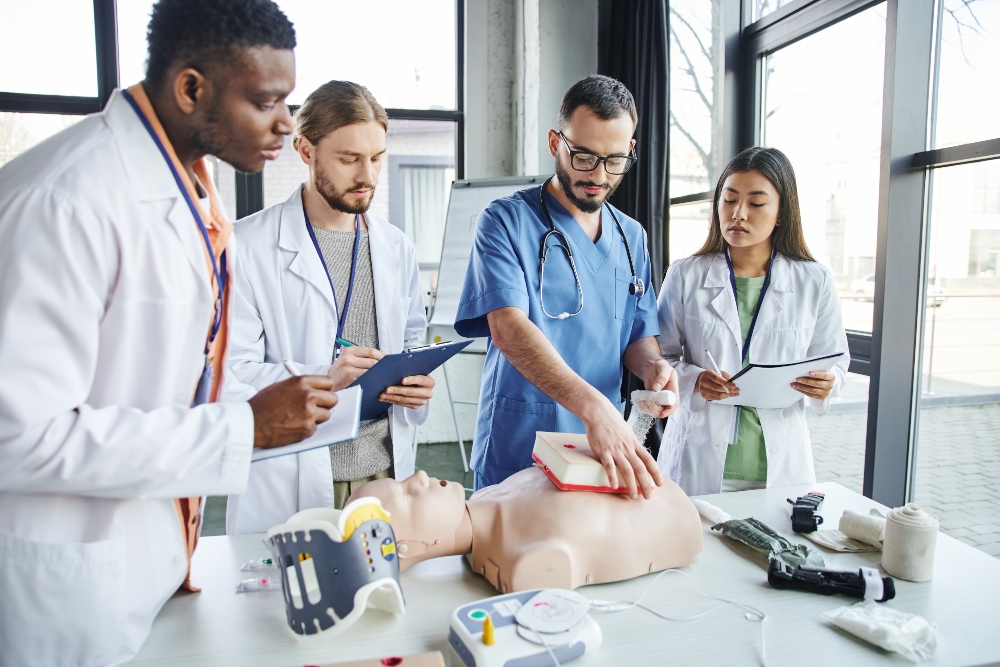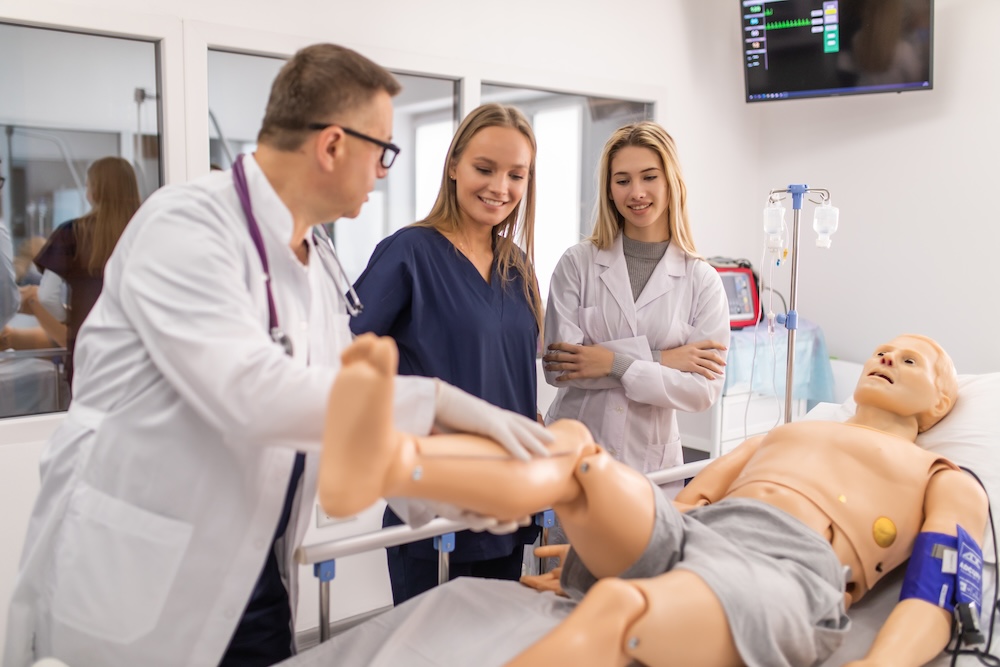


The field of healthcare simulation continues to grow rapidly and evolve from a niche educational method into an indispensable tool to teach patient safety across clinical disciplines. At the core of every successful healthcare simulation center lies a crucial, often unsung, professional: the healthcare sim tech or simulation technology specialist. This career path offers a dynamic blend of technical expertise, educational support, and clinical context. Such a combination makes healthcare sim tech a rewarding choice for those who wish to contribute directly to healthcare without direct patient care. This HealthySimulation.com article by Dr. Mario Arturo Luna Lamas provides a comprehensive guide that outlines the essential steps and qualifications for aspiring professionals to enter healthcare simulation and become certified, highly valuable simulation specialists.
Healthcare Sim Tech As a Profession
A career as a sim tech demands a unique combination of skills. One must be proficient in their ability to:
- Operate, troubleshoot, and maintain complex patient simulators
- Understand clinical terminology
- Support faculty in scenario development
- Execution of healthcare simulation modalities and scenarios.
As the complexity of high-fidelity simulation equipment increases, so does the demand for formally trained and certified personnel. Professional certification as a healthcare sim tech demonstrates a commitment to the highest standards of the profession and significantly enhances career prospects and salary potential within the simulation in healthcare community. This guide clarifies the necessary educational background, technical proficiencies, and professional pathway to achieve expert status.
View the HealthySimulation.com Webinar Clinical Simulation Professional Development: A Scaffold Approach to learn more!
Lay the Foundational Educational Background
While a sim tech role does not typically require an advanced clinical degree, a foundational understanding of the healthcare environment is essential. Most successful professionals in this field possess an associate’s or bachelor’s degree in a technical discipline, such as Biomedical Engineering, Information Technology, or Computer Science. Technical degrees provide the skills needed to troubleshoot and manage the complex software and hardware that drive modern patient simulators.
However, experience in a clinical setting, such as previous work as an EMT or Paramedic, provides a distinct advantage. This clinical familiarity allows the sim tech to grasp the context and urgency of the scenarios, facilitates better communication with the clinical faculty, and ensures the realism of the simulation lab. Aspiring specialists should pursue coursework focused on anatomy, physiology, and basic medical terminology to enhance professional readiness and the ability to support clinical simulation effectively.
Master the Technical Skill Set
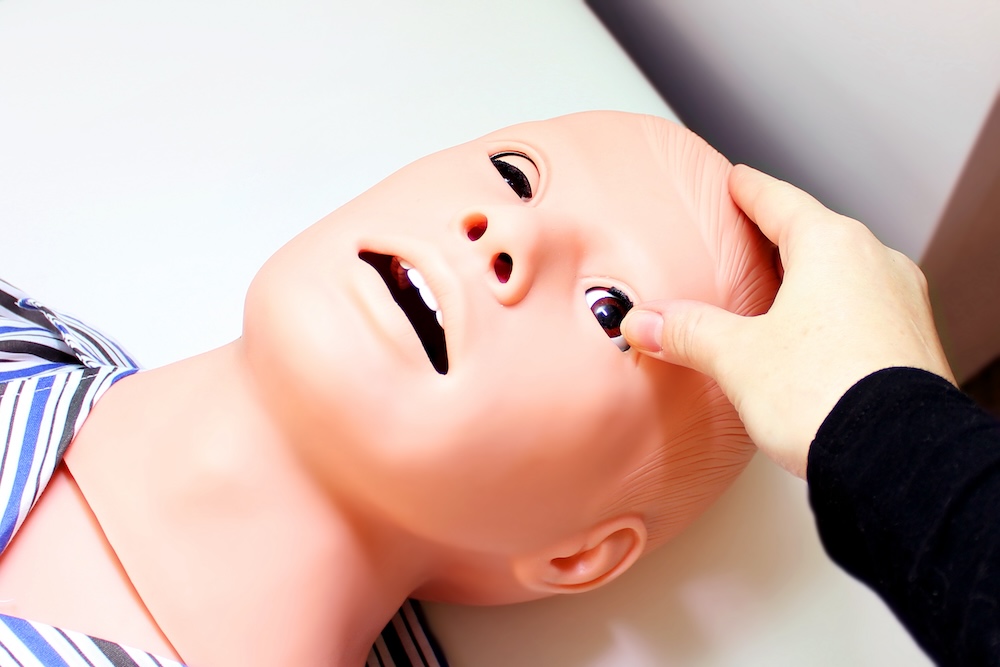
The daily duties of a sim tech revolve heavily around technology and require mastery across several key areas. The primary responsibility involves the operation and maintenance of high-fidelity simulation manikins from various manufacturers. A specialist must calibrate sensors, manage pneumatics, and update the operating software of the high-fidelity manikins (SimMan or SimBaby models). Proficiency in audiovisual (AV) technology is also non-negotiable, as most modern simulation centers use integrated camera and microphone systems to capture the scenario for later review during simulation debriefing.
One must acquire skills in the technical aspects of scenario programming. This involves the ability to script physiological changes, respond to administered medications, and introduce environmental variations to increase the challenge for the learners. Furthermore, a highly valuable sim tech develops expertise in moulage application and the creative use of low-cost props to enhance the fidelity and realism of the training environment. This blend of technological savvy and hands-on production skills sets the certified specialist apart.
These skills can be obtained or honed through attendance at healthcare simulation annual conferences (IMSH, SimGHOSTS, etc), courses, workshops, completion of manikin– or product-specific training, and participation in webinars, such as those provided by HealthySimulation.com.
The Path to Professional CHSOS Certification
Formal professional certification becomes the industry standard and offers concrete validation of a healthcare sim tech’s knowledge and skill set. The certified healthcare simulation operations specialist (CHSOS) credential is the most widely recognized certification. To achieve CHSOS status, the candidate must meet specific eligibility criteria based on experience and pass a comprehensive examination.
The CHSOS exam tests knowledge in areas critical to the successful operation of a simulation center, such as IT/AV management, facility design, equipment maintenance, and educational principles. Preparation for the exam requires focused study of recognized best practices and standards. For an aspiring specialist, this certification is a crucial step that demonstrates professional dedication and immediately elevates one’s standing within the medical simulation community. The CHSOS credential is offered through the Society for Simulation in Healthcare (SSH). The CHSOS webpage offers multiple resources to help candidates prepare for the exam. These are:
- Test Blueprint
- CHSOS Handbook
- CHSOS Prep Course
- Practice questions
View the new HealthySimulation.com Community Simulation Technology Specialists Group to discuss this topic with your Global Healthcare Simulation peers!
Develop Essential Soft Skills and Communication
While technical skills are mandatory, the most effective healthcare sim tech specialists possess exceptional soft skills. The role requires constant collaboration with diverse groups, such as physicians, nurses, educators, and IT professionals. One must communicate complex technical requirements clearly and concisely to faculty and ensure that learning objectives never suffer from technological glitches.
The ability to troubleshoot calmly under pressure is paramount. A great healthcare sim tech must be an adaptive problem-solver. Scenarios rarely run perfectly; equipment fails, or participants behave unexpectedly. The specialist must think quickly and adjust the simulation dynamics or troubleshoot the technology in real-time without an interruption in the immersive experience. This adaptability and focus to support the educational mission are hallmarks of a valuable professional in simulation in healthcare.
Integrate IT and Data Management
As healthcare simulation programs grow, the management of data and integration with institutional IT systems become critical functions. The healthcare sim specialist often oversees the storage and archive of video records, performance metrics, and assessment data generated during simulation debriefing. This requires proficiency to secure sensitive educational and patient information, to adhere to institutional privacy policies, and to ensure the seamless operation of learning management systems. The ability to manage large datasets and provide summary reports on program efficiency adds immense strategic value to the simulation center. Data is required to demonstrate usage, justify continued support for the lab, and plan the future growth of the healthcare simulation program. This specialized IT competency positions the sim tech as an indispensable link between clinical education and technology infrastructure.
Career Advancement and Professional Growth
A certified sim tech specialist enjoys a clear pathway for career progression. Initial roles often focus on day-to-day operations and scenario setup. With experience and specialized training, one can advance to lead roles, such as lead simulation specialist, manager of simulation operations, or even director of a simulation center. These advanced positions involve higher levels of budgetary management and strategic planning for the simulation debriefing curriculum.
Additional resources can be found from the Must-Read Book: Comprehensive Healthcare Simulation: Operations, Technology, and Innovative Practice, the online CE course Operating Simulation Technologies to Improve Clinical Training Outcomes, and from SimGHOSTS, the world’s only non-profit organization dedicated to supporting healthcare simulation technology professionals.
Continuous professional development is vital. Specialists should actively participate in industry conferences and pursue advanced training on new equipment. Engagement in the healthcare simulation community and contributions to best practices further solidify a professional reputation. This commitment to lifelong learning ensures the specialist remains at the forefront of technology and methodology, and guarantees continued value in the rapidly evolving field of clinical simulation.