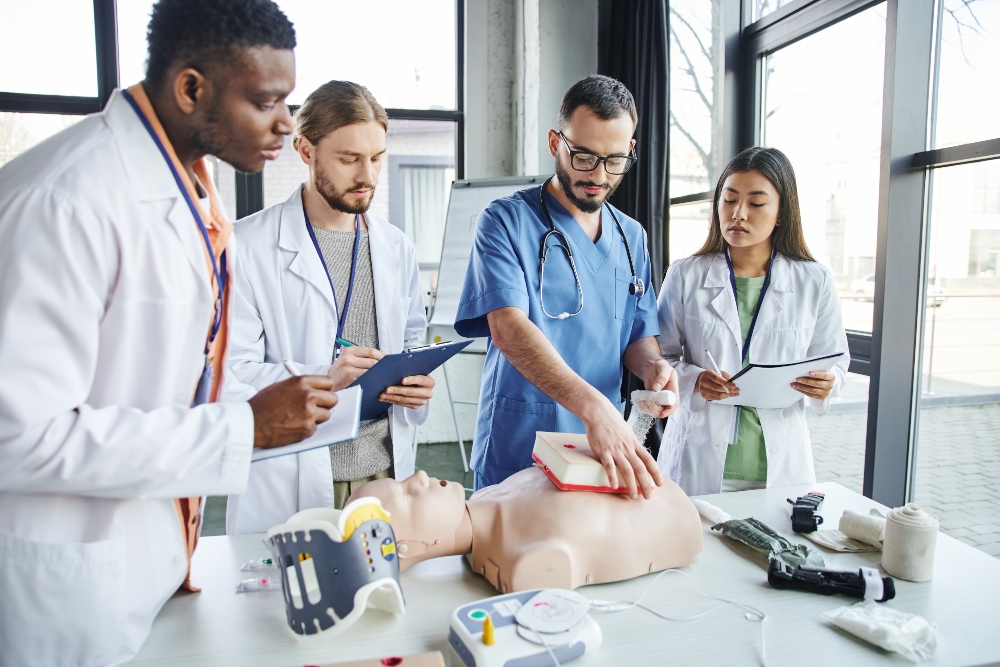

Clinical Simulation-based education has become a cornerstone in healthcare training to bridge the gap between theory and clinical practice and ensure patient safety and quality care. Traditional simulation frameworks have proven effective to foster clinical reasoning, teamwork, and psychomotor skills. However, simulation is resource-intensive, dependent on human facilitators, and often limited by subjective evaluation and lack of personalization (Elendu et al., 2024). Artificial Intelligence (AI) is the latest technological advance to help educators, facilitators, and clinical simulation operations professionals to create better healthcare simulation-based experiences. This HealthySimulation.com article by Dr. Mohamed Benfatah, PhD, RN, Anesthetist Nurse and Simulation Educator at Hassan First University of Settat, Higher Institute of Health Sciences will explore AI and clinical simulation in nursing education as a conceptual framework.
AI in Healthcare Education
Artificial intelligence (AI) offers novel opportunities to complement and enhance simulation-based learning. AI integrates adaptive algorithms to create personalized learning environments, intelligent virtual patients, and real-time data analysis. AI can address current limitations and create a more personalized, scalable, and effective learning environment. Building on this perspective, a new conceptual model is proposed: the AI and Simulation Framework designed to align AI-driven capabilities with the experiential learning cycle in healthcare simulation (Wei et al., 2025).
View the HealthySimulation.com Webinar Using Generative AI to Help Design Healthcare Simulation Scenarios to learn more!
The AI and Simulation Framework
The AI and Simulation Framework guides educators step-by-step through four phases that enhance the engagement and effectiveness of simulation: AI Prebriefing, AI Briefing, AI Simulation Exercise, and AI Debriefing.
- AI Prebriefing: Healthcare Simulation Educators can use AI Prebriefing to reduce learner anxiety, provide personalized preparation materials, and ensure psychological safety before entering the simulation laboratory.. AI can tailor preparatory materials, provide interactive tutorials, and adapt instructions based on learner profiles, thereby ensuring readiness and psychological safety (Benfatah, Elazizi, et al., 2025).
- AI Briefing: Clinical Simulation Faculty can use AI Briefing to adapt the complexity of medical scenarios to each learner’s level, ensuring that both novice nursing students and advanced residents benefit from the simulation experience. AI dynamically adjusts the complexity of scenarios in accordance with the learner’s level to create a more equitable and engaging experience. This ensures that both novice and advanced learners are adequately challenged and not overwhelmed by the experience.
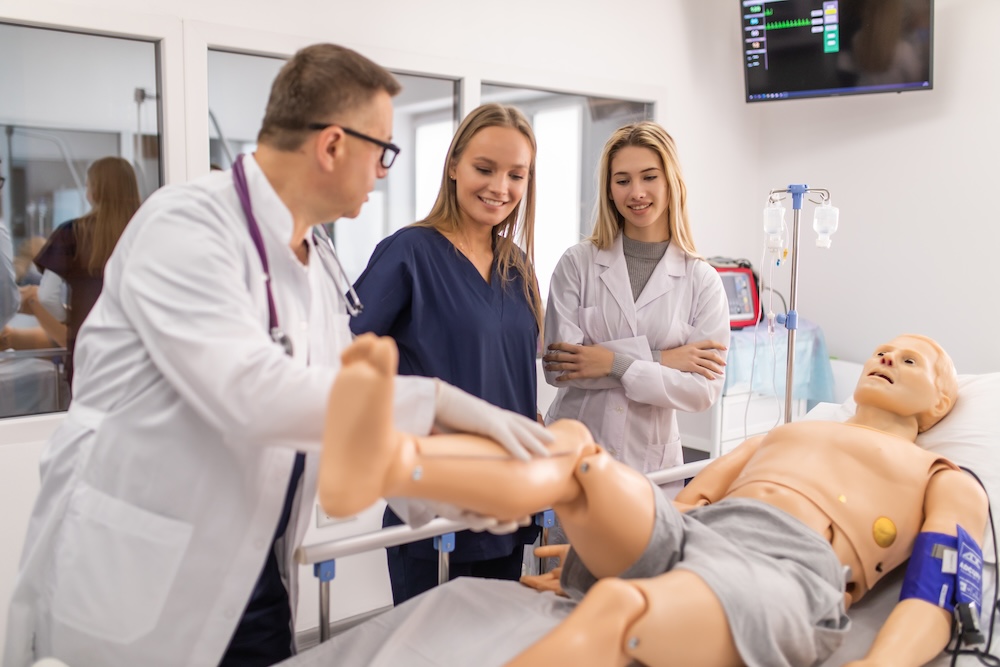
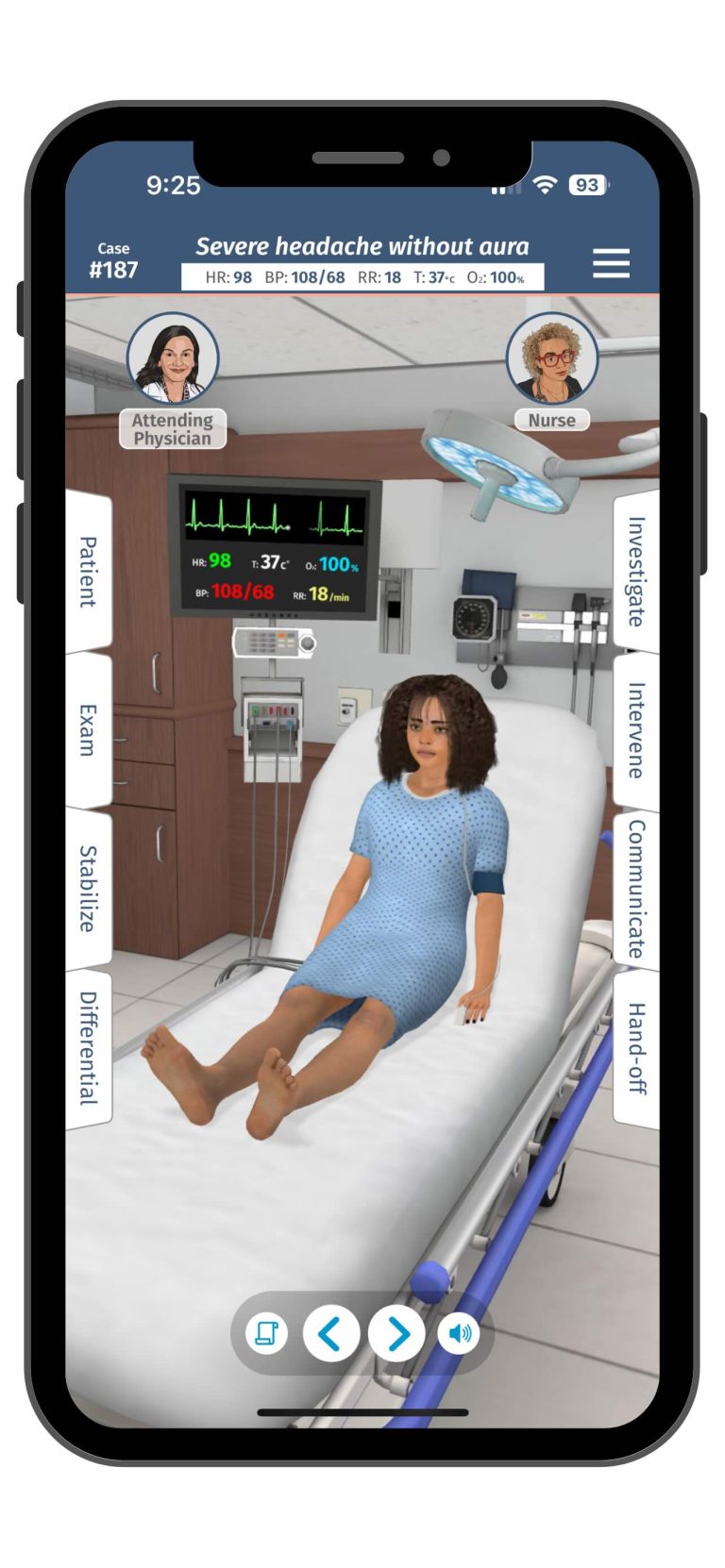
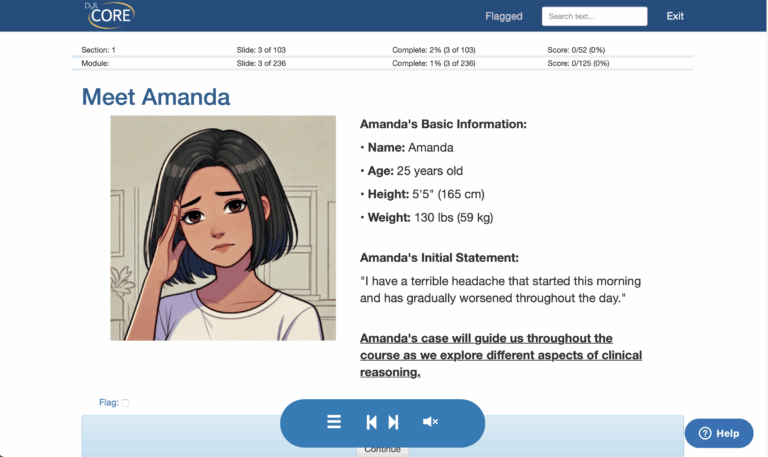
- AI Simulation Exercise: Simulation Technologists can implement AI-driven patient simulators to create realistic scenarios where manikins and virtual patients respond dynamically to learner interventions. These capabilities allow learners to engage in realistic, complex scenarios where patient responses and team dynamics evolve dynamically. AI also facilitates continuous monitoring of performance to link actions and clinical outcomes in real time (Benfatah, Marfak, et al., 2024, 2025).
- AI Debriefing: Simulation Instructors can enhance debriefing sessions with AI tools that automatically analyze learner decisions, track teamwork and situational awareness, and generate reflection prompts. AI can assist in structured debriefing sessions with the identification of key decision points, to track non-technical skills, and generate reflective questions to facilitate deeper understanding. Furthermore, integration with Objective Structured Clinical Examination (OSCE) methodology enables rigorous, evidence-based evaluation of performance (Benfatah, Youlyouz-Marfak, et al., 2024).
Implications and Perspectives
Healthcare simulation educators can follow the AI and Simulation Framework as a cyclical guide to move learners step by step through AI-enhanced prebriefing, briefing, simulation exercises, and debriefing. The AI and Simulation Framework builds on established pedagogical models such as Kolb’s experiential learning cycle and the NLN Jeffries Simulation Theory, while addressing current gaps in personalization, scalability, and objectivity. Unlike traditional simulation, which relies heavily on human facilitators, this model embeds AI as an active partner in both the teaching and assessment process (Al Khasawneh et al., 2021).
Potential benefits for the use of AI and Simulation Framework in Nursing Education include:
- Personalization: Learners receive tailored scenarios and feedback
- Objectivity: Performance is assessed using real-time analytics rather than subjective impressions.
- Scalability: AI-enabled simulation can reach more learners with fewer human resources.
- Reflective practice: Automated feedback guides learners through deeper self-analysis.
View the new HealthySimulation.com Community AI in Healthcare Simulation Group to discuss this topic with your Global Healthcare Simulation peers!
Current Identified Challenges
However, challenges remain. Dependence on technology raises concerns in regards to accessibility, equity, and infrastructure. Ethical considerations related to data privacy, bias in algorithms, and transparency must also be addressed. Moreover, empirical validation through pilot studies is essential to confirm the educational effectiveness of this framework.
The proposed AI and Simulation Framework introduces a structured, AI-driven approach to simulation-based education in healthcare. With AI embedded across the prebriefing, briefing, exercise, and debriefing stages, the model aims to reduce learner anxiety, personalize instruction, and enhance both formative and summative evaluation.
The scientific and educational community is encouraged to further explore, refine, and empirically test this framework, as purposeful integration of AI in nursing education holds potential to transform simulation into a more personalized, scalable, and data-driven learning experience.
Learn More About Artificial Intelligence in Clinical Simulation!
References
- Al Khasawneh, E., Arulappan, J., Natarajan, J. R., Raman, S., & Isac, C. (2021). Efficacy of Simulation Using NLN/Jeffries Nursing Education Simulation Framework on Satisfaction and Self-Confidence of Undergraduate Nursing Students in a Middle-Eastern Country. SAGE Open Nursing, 7, 23779608211011316. https://doi.org/10.1177/23779608211011316
- Benfatah, M., Elazizi, I., Lamiri, A., Belhaj, H., Saad, E., Marfak, A., Hilali, A., & Youlyouz-Marfak, I. (2025). AI-assisted prebriefing to enhance simulation readiness in nursing education. Teaching and Learning in Nursing, S155730872500232X. https://doi.org/10.1016/j.teln.2025.07.030
- Benfatah, M., Marfak, A., Saad, E., Hilali, A., Elazizi, I., Hui, W., & Youlyouz-Marfak, I. (2025). Enhancing clinical performance in nursing simulations: The impact of video assistant referee (VAR) technology. Teaching and Learning in Nursing, S1557308725000228. https://doi.org/10.1016/j.teln.2025.01.008
- Benfatah, M., Marfak, A., Saad, E., Hilali, A., Nejjari, C., & Youlyouz-Marfak, I. (2024). Assessing the efficacy of ChatGPT as a virtual patient in nursing simulation training: A study on nursing students’ experience. Teaching and Learning in Nursing, S1557308724000337. https://doi.org/10.1016/j.teln.2024.02.005
- Benfatah, M., Youlyouz-Marfak, I., Saad, E., Hilali, A., Nejjari, C., & Marfak, A. (2024). Impact of artificial intelligence-enhanced debriefing on clinical skills development in nursing students: A comparative study. Teaching and Learning in Nursing, 19(3), e574–e579. https://doi.org/10.1016/j.teln.2024.04.007
- Elendu, C., Amaechi, D. C., Okatta, A. U., Amaechi, E. C., Elendu, T. C., Ezeh, C. P., & Elendu, I. D. (2024). The impact of simulation-based training in medical education: A review. Medicine, 103(27), e38813. https://doi.org/10.1097/MD.0000000000038813
- Wei, Q., Pan, S., Liu, X., Hong, M., Nong, C., & Zhang, W. (2025). The integration of AI in nursing: Addressing current applications, challenges, and future directions. Frontiers in Medicine, 12, 1545420. https://doi.org/10.3389/fmed.2025.1545420