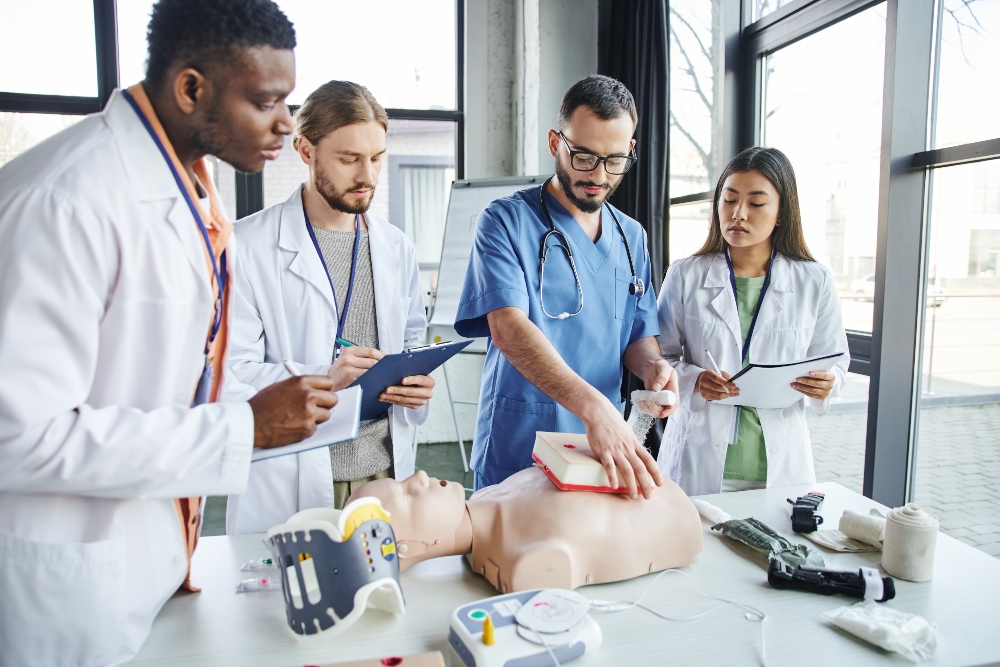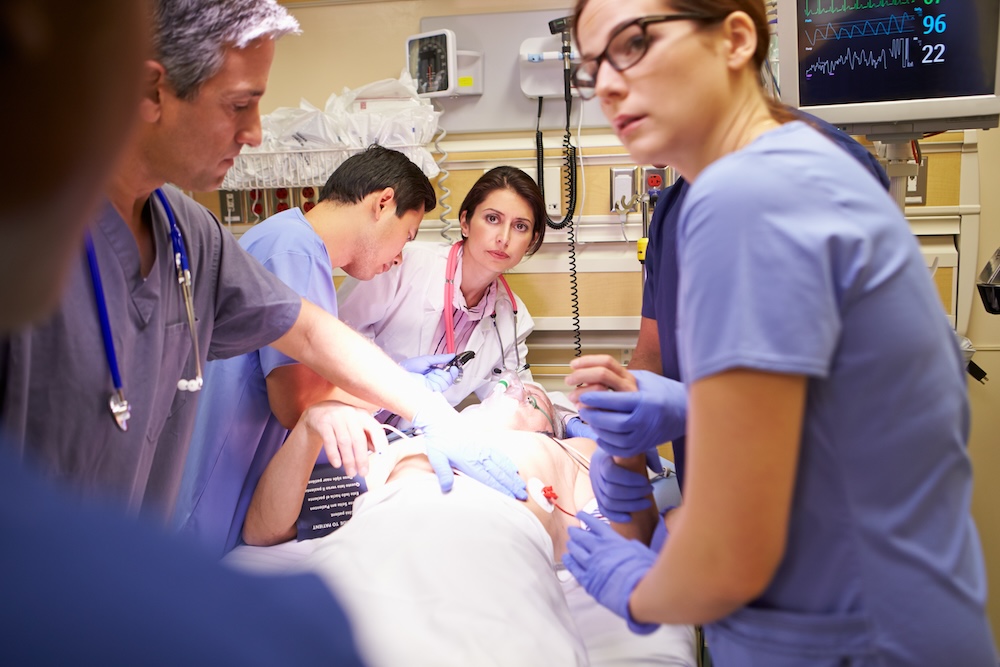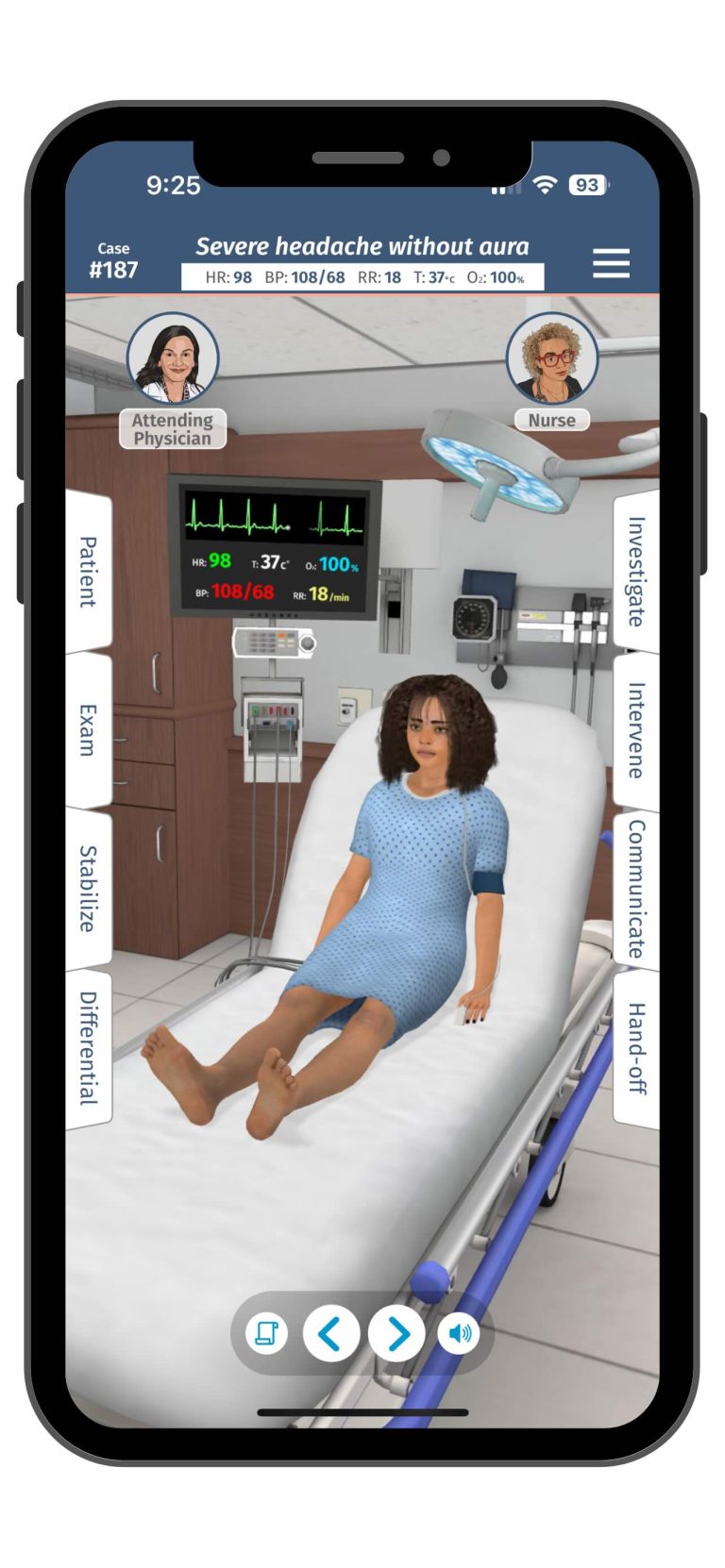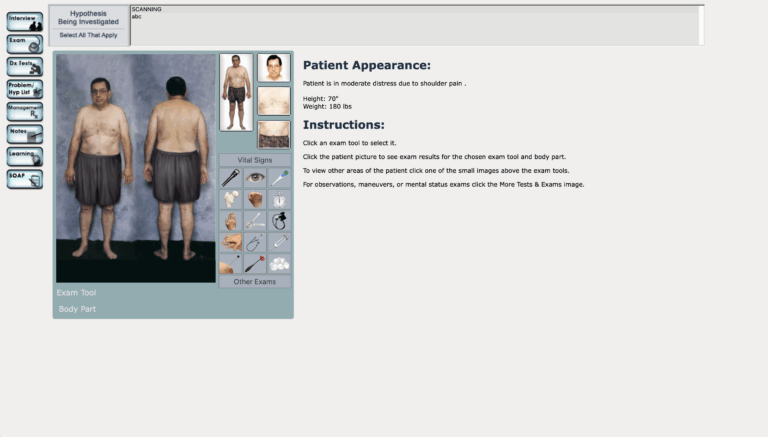

Clinical skills assessment represents a cornerstone of healthcare education (Dorrestein et al., 2025). Every generation of educators seeks more valid, reliable, and learner-centered ways to evaluate competence, particularly in environments where safety, precision, and communication define professional excellence. Traditional Objective Structured Clinical Examinations (OSCEs), while effective in standardizing evaluation, often demand significant time, personnel, and logistical resources. These assessments can also be limited by subjective interpretation and challenges in adapting to individual learner needs. To address these limitations, the NeoOSCE (Next-Generation AI-Enhanced Objective Structured Clinical Examination) was developed. The NeoOSCE introduces a forward-thinking pedagogical model that merges Artificial Intelligence with simulation-based assessment. The framework was conceived by educators and researchers who recognized the need to transform assessment from a static event into a continuous learning experience. This HealthySimulation.com article by Mohammad Benfatah, PhD, RN, explains how NeoOSCE combines healthcare simulation with AI-assisted insights to allow instructors to assess performance objectively, provide personalized feedback, and encourage reflective growth. The result is an assessment system that aligns with modern educational values of fairness, adaptability, and learner empowerment.
What Makes NeoOSCE Different?
The concept of the NeoOSCE emerged from widespread concerns about the limitations of conventional OSCEs. Instructors frequently reported that traditional methods failed to capture the complexity of clinical decision-making and team communication. Furthermore, evaluators often struggled to maintain consistency across different stations and learners, which lead to variations that could influence outcomes.
Advances in artificial intelligence and data analytics created an opportunity to rethink the process. Rather than replace educators, the NeoOSCE was designed to complement human expertise and provide objective data to support professional judgment. The development team aimed to design a model that maintains human empathy while enhancing precision and accountability.
The NeoOSCE was also driven by the continued demand for scalable assessment systems that can support large cohorts of students without the need to sacrifice quality. With AI tools integration, simulation centres can streamline the assessment process, reduce evaluator fatigue, and promote fairness across evaluations. Ultimately, the NeoOSCE was developed to create a bridge between human judgment and data-informed decision-making in healthcare education.
View the HealthySimulation.com Webinar Enhancing New Graduate Nurse Performance in Rapid Response Teams with Nursing Simulation to learn more!
Key Benefits of the NeoOSCE
Unlike traditional Objective Structured Clinical Examinations, the NeoOSCE offers a structured, adaptive framework that empowers healthcare simulation instructors to integrate AI-driven analytics into evaluation. The methodology focuses not only on what learners do but also on how they perform and measure gestures, precision, communication tone, and even physiological indicators of stress. Artificial intelligence processes these multimodal inputs to generate reliable and comparable performance metrics. The data are then synthesized with educator observations, resulting in a comprehensive understanding of learner competence.
The NeoOSCE approach also enables personalized learning pathways. After the assessment, each learner receives tailored recommendations that target specific skill domains technical precision, teamwork, communication, or emotional regulation. This capacity for personalization differentiates NeoOSCE from conventional one-size-fits-all evaluation models.
Finally, NeoOSCE strengthens educator validation with the combination of professional expertise with AI-generated insights. This partnership promotes mutual trust between instructors and learners while advancing transparency and reproducibility in clinical education.
How NeoOSCE Works
The NeoOSCE framework follows a structured, three-phase model designed to enhance accuracy, reduce bias, and promote ongoing professional development. Each phase contributes to the creation of an integrated assessment ecosystem.
1. Observation and Analysis: During simulation sessions, instructors directly observe learners as they perform clinical procedures or make patient care decisions. At the same time, AI systems record and analyze key performance indicators such as timing, accuracy, and decision logic. The dual observation process ensures that every action is captured and evaluated using both human judgment and AI-supported analytics. This approach reduces subjective bias and produces consistent scoring across evaluators, simulation sessions, and institutions. AI-supported observation also encourages instructors to focus on higher-order behaviors, team dynamics, communication style, and critical thinking while the technology manages data collection and analysis.
2. Structured Feedback: After data collection, instructors provide structured and actionable feedback based on a combination of AI-generated insights and professional experience. Learners receive detailed reports that identify strengths, gaps, and evidence-based recommendations for improvement. This process promotes self-awareness and reflective learning. Learners are encouraged to review their performance data, compare results with benchmarks, and establish personal development goals. Structured feedback becomes a vital learning tool, transforming assessment from a judgmental moment into a formative dialogue that supports continuous growth.
3. Continuous Improvement and Validation: NeoOSCE was not designed as a static tool but as a dynamic educational framework subject to continuous refinement. Preliminary validity and reliability studies conducted within nursing and medical education programs demonstrated positive outcomes. Expert panel reviews confirmed strong content alignment between observed competencies and learning objectives. Early inter-rater reliability tests showed consistent scoring across evaluators, validating the role of AI in enhancing standardization. Ongoing research continues to explore construct validity and predictive performance across diverse simulation environments. Beyond data collection, NeoOSCE promotes a culture of continuous improvement among educators. The framework encourages instructors to review assessment outcomes regularly, adapt teaching methods, and refine their strategies based on evidence. This process not only enhances instructor competence but also strengthens institutional quality assurance mechanisms.
Why NeoOSCE Matters
The NeoOSCE framework redefines how healthcare educators understand and measure competence. Healthcare Simulation, when merged with artificial intelligence, introduces a transparent, evidence-based system that benefits both learners and instructors. Educators gain a more consistent and efficient way to assess performance, while learners receive meaningful insights that accelerate mastery. The NeoOSCE promotes equity through evaluator bias minimization and improves efficiency by automating parts of the assessment process without reducing human oversight.
Perhaps most importantly, the NeoOSCE promotes empowerment. Learners feel seen and supported, while instructors gain confidence in their evaluations. Together, they co-create a learning environment that prepares healthcare professionals to deliver safe, high-quality patient care.
View the new HealthySimulation.com Community Simulation Research Group to discuss this topic with your Global Healthcare Simulation peers!
Future Directions & Collaboration
The NeoOSCE framework is adaptable across disciplines, including nursing, medicine, and interprofessional simulation programs. The development team continues to invite collaboration with universities, hospitals, and simulation centers worldwide to expand validation studies and explore integration into digital learning platforms.
Collaborative research efforts will further refine AI algorithms, optimize data interpretation, and ensure ethical transparency in educational analytics. As clinical simulation-based education evolves, the NeoOSCE represents a new era of assessment grounded in science, fairness, and technology. The model reflects a shift from assessing isolated tasks toward understanding professional behavior as a complex, data-informed construct. Ultimately, the NeoOSCE embodies the future of healthcare assessment: objective, personalized, and evidence-driven. NeoOSCE encourages educators to combine human expertise with technological innovation to cultivate the next generation of confident, competent, and compassionate healthcare professionals.
NeoOSCE is not yet open access and is currently implemented through research and training partnerships with universities, simulation centers, and hospitals interested in AI-assisted clinical assessment. Educator training workshops are being developed to guide instructors in using the model, interpreting AI-generated data, and integrating these tools ethically into simulation-based education. The long-term goal is to make NeoOSCE resources progressively accessible to the global educational community while maintaining scientific rigor and pedagogical quality. Contact Mohamed Benfatah for more information.
References
- Dorrestein, L., Ritter, C., De Mol, Z., Wichtel, M., Cary, J., Vengrin, C., Artemiou, E., Adams, C. L., Ganshorn, H., Coe, J. B., Barkema, H., & Hecker, K. G. (2025). Validity evidence for communication skills assessment in health professions education: A scoping review. BMJ Open, 15(9), e096799. https://doi.org/10.1136/bmjopen-2024-096799