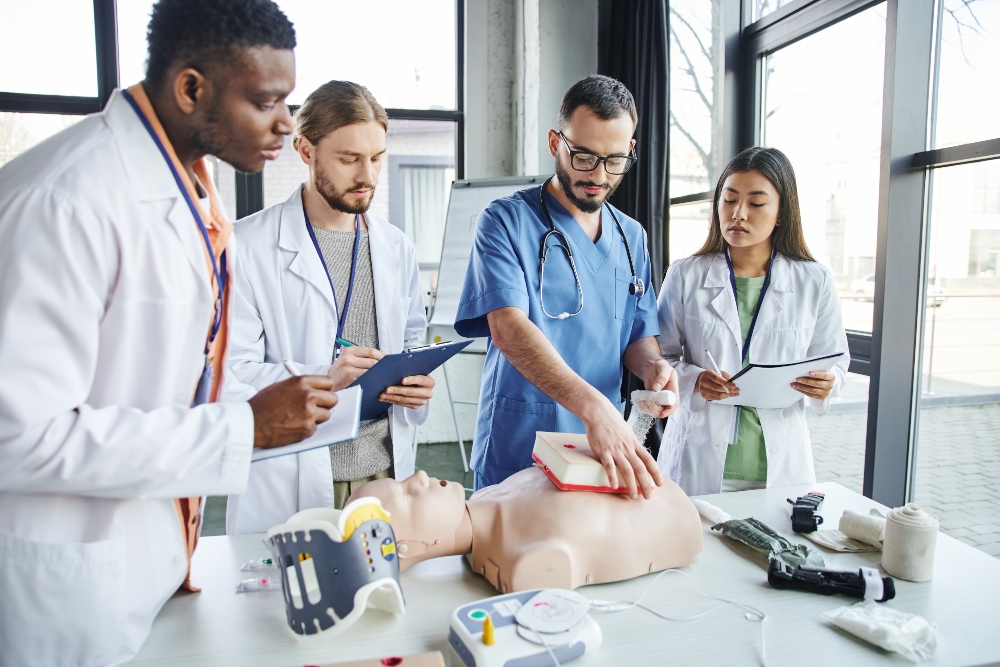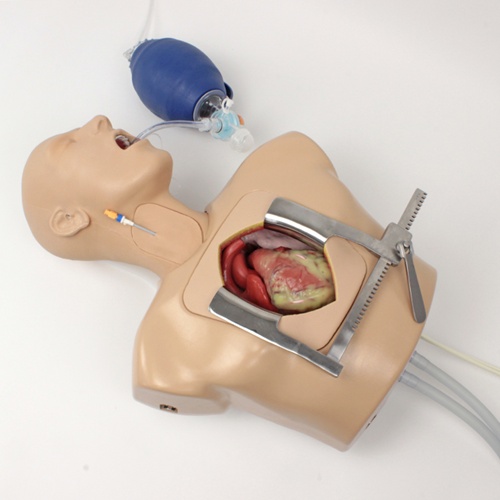

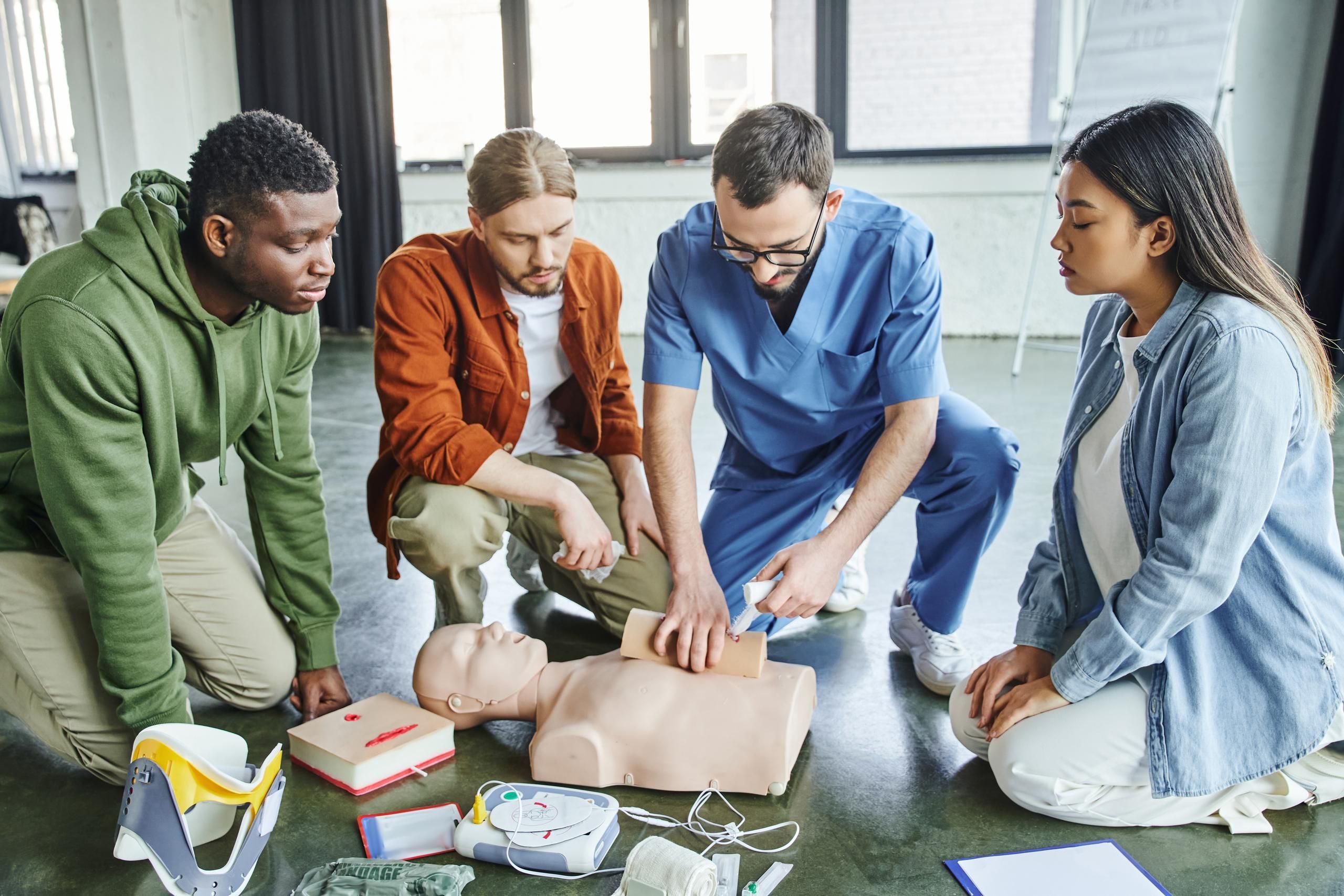
A medical simulation course is an academic learning experience guided by a healthcare simulation-specific curriculum or focus. Learners often enroll in medical simulation courses to gain knowledge or expertise on a particular element of clinical simulation, such as nursing simulation, virtual simulation, moulage, and more. Many universities, institutions, and healthcare facilities now have medical simulation courses available to both learners and professionals so that they can help work toward great patient safety and lower rates of medical error across medicine.
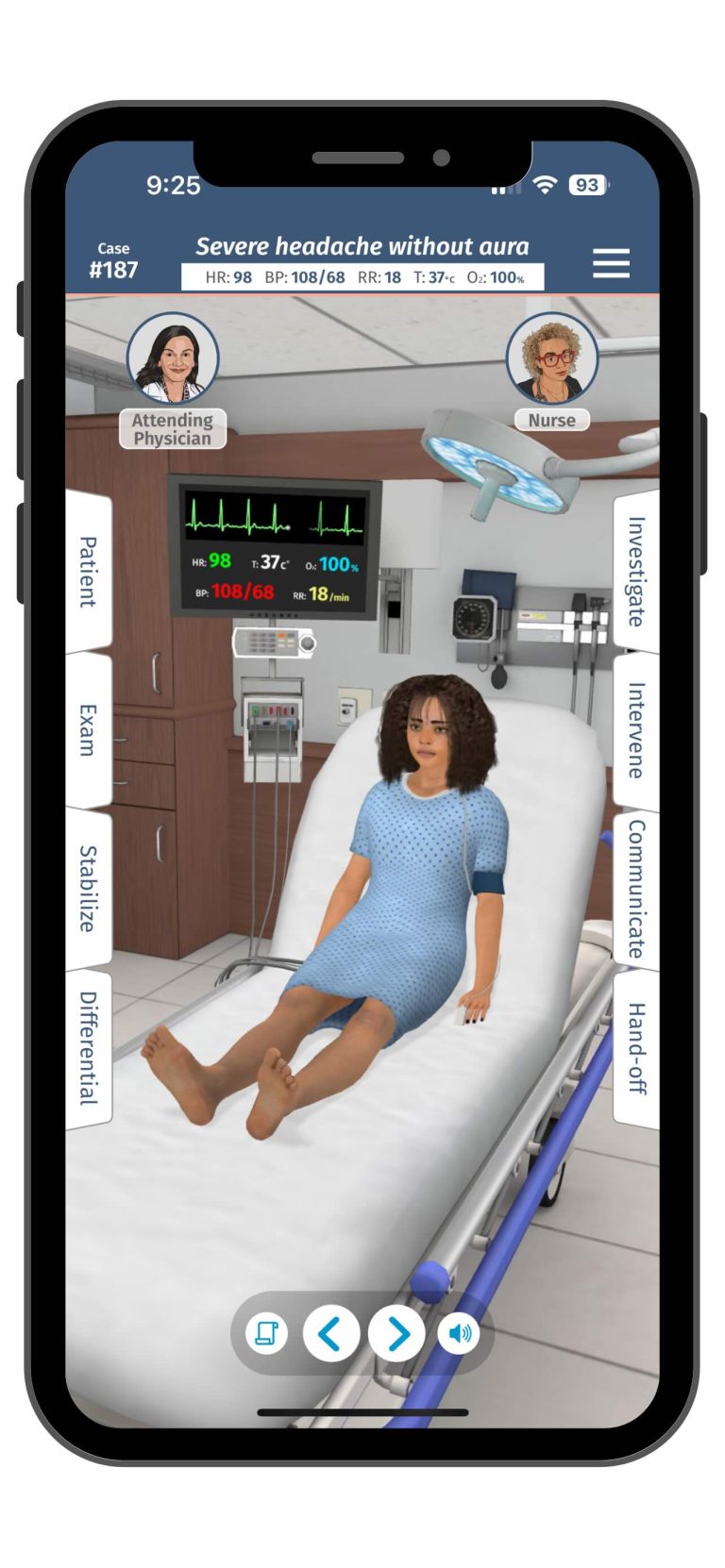
Today, there are multiple ways a medical simulation course can be presented. For example, these healthcare simulation learning experiences can be taught in person on campus or take place in a clinic. The COVID-19 pandemic has highlighted the need for virtual learning, and now an increasing number of medical simulation courses are available for completion online, with modules available on any laptop or computer. In addition to remote learning, there also now exists the possibility to take classes in the Metaverse.
These medical simulation classes can count for credit toward a medical simulation degree program, such as an associate, bachelor’s, or master’s degree. From MSN Degrees to MSc, MS, and even technical AS degrees, the list of healthcare educational institutions supporting healthcare with formal simulation degree programs is growing each month. After completion of these courses and graduation from a healthcare simulation program, learners may go on to fulfill roles as a simulation technician, simulation educator, or others.
Benefits of enrolling in a medical simulation course include the ability to acquire healthcare simulation specific-knowledge from a knowledgeable simulation educator. These healthcare simulation courses are structured so that learners receive a comprehensive overview of the material being covered. Such learning experiences are immensely beneficial to those looking to enter the field of healthcare simulation in a variety of positions.
View the new HealthySimulation.com Community New to Healthcare Simulation Group to discuss this topic with your Global Healthcare Simulation peers!
Examples of HealthySimulation.com Medical Simulation Courses
Clinical Simulation 101: The Basics: Instructed by Deb Tauber MSN, RN, CHSE, CEN, this self-paced 4+ hour CE course is designed to help clinical educators and others learn about Clinical Simulation. The course covers the history and terminology, accreditation and best practices, equipment and technology, technology and realism, prebriefing, simulation, debriefing, and operations. This course breaks down the fundamentals of simulation in an easy-to-understand and fun format. The course is loaded with internationally recognized subject matter experts! Additional bonus tools are available to download and customize for your simulation center.
Dr. Debra Nestel’s 4 CE Course: Intro to Healthcare Simulation: Instructed by Debra Nestel Ph.D., FAcadMed FSSH, this course provides an opportunity to explore fundamental concepts in simulation practice. While it is designed for those new to simulation, experienced practitioners have also benefited as they explore contemporary content. The medical simulation course explores the language of simulation within and outside of healthcare, acknowledge historical influences on contemporary practices, considers a wide range of simulators and their applications and reviews diverse resources. On completion, participants will have covered foundational content preparing them to approach healthcare simulation both constructively and critically.
Nursing Simulation for Instructors: Instructed by Deb Tauber MSN, RN, CHSE, CEN, this self-paced 4+ hour Continuing Education (CE) course is designed for nursing faculty and clinical instructors. The course will provide the foundation needed to understand the basic components of clinical simulation and its importance within nursing education, including ideas for faculty who are just starting to teach clinical. This course breaks down simulation into short modules, covering each facet of simulation, experiential and immersive learning. The information provided will expose new and experienced clinical instructors to simulation’s best practices and help them navigate through the complex myriad of concepts, equipment, and technology.
View the HealthySimulation.com Webinar Innovation & Moulage: Affordable Solutions to Increase Clinical Simulation Realism to learn more!
Additional Medical Simulation Course Examples
iSIM Course from UPMC WISER: “ISIM provides the basic foundations of what someone would need to design, test, run, and debrief a simulation scenario, all in two days,” says WISER’s Director of Operations, Tom Dongilli. As a simulation center fully accredited by the Society for Simulation in Healthcare (SSH) and with 30 years of experience in the field, WISER utilizes iSIM to teach tried-and-true best practices regarding simulation-based education. To support new educators incorporating simulation-based learning, iSIM breaks down the scenario design and implementation process step-by-step. From the beginning stages of curriculum design to the final stages of debriefing, this course ensures participants can create and run effective scenarios from start to finish.
Healthcare Simulation Essentials: Design and Debriefing (Center for Medical Simulation): In these rapidly changing times, CMS is innovating to meet the challenge. This flagship educator course is now available online in addition to in-person in Boston. Not only does the institution now offer this transformational course online, but has updated the curriculum to focus the course on helping participants make a significant, measurable impact on their organization. Participants in the course can expect the exceptional educational experience that the Center for Medical Simulation is known for. Each course will feature several CMS faculty, who will work with learners in small groups to develop a curriculum to guide their simulation program, to learn Debriefing with Good Judgment, and design simulation courses.
Essentials in Clinical Simulations Across the Health Professions (Coursera): Taught by seven leading clinical simulation experts, this 7-week course provides you with key strategies to help understand the foundation of Clinical Simulations. During each module, learners will be presented with instruction on seven key components of Clinical Simulation Across the Health Professions and its impact on their current position as healthcare professionals. They are asked to utilize all of the resources provided by each of the modules to support and enhance their understanding of each concept. Learners will ultimately gain insight into the following topics in this medical simulation course:
The Art and Science of Moulage (Drexel University): This medical simulation course includes a half-day hands-on program and covers the basics of moulage and building reality. The healthcare simulation course also explains manikins and makeup, moulage for Human Patient Simulator (HPS), and covers actors to makeup (moulage for Standardized Patients (SP)). Another topic this course addresses is FX Basics and the ability to “create your own reality. Clean-up and restoration are discussed as well.
As the field of healthcare simulation continues to expand, more colleges, institutions, and facilities will begin to offer medical simulation courses. Learners can anticipate not only being able to complete these clinical simulation courses either in-person or virtually, but they will be able to choose from an increasingly wide range of course topics.