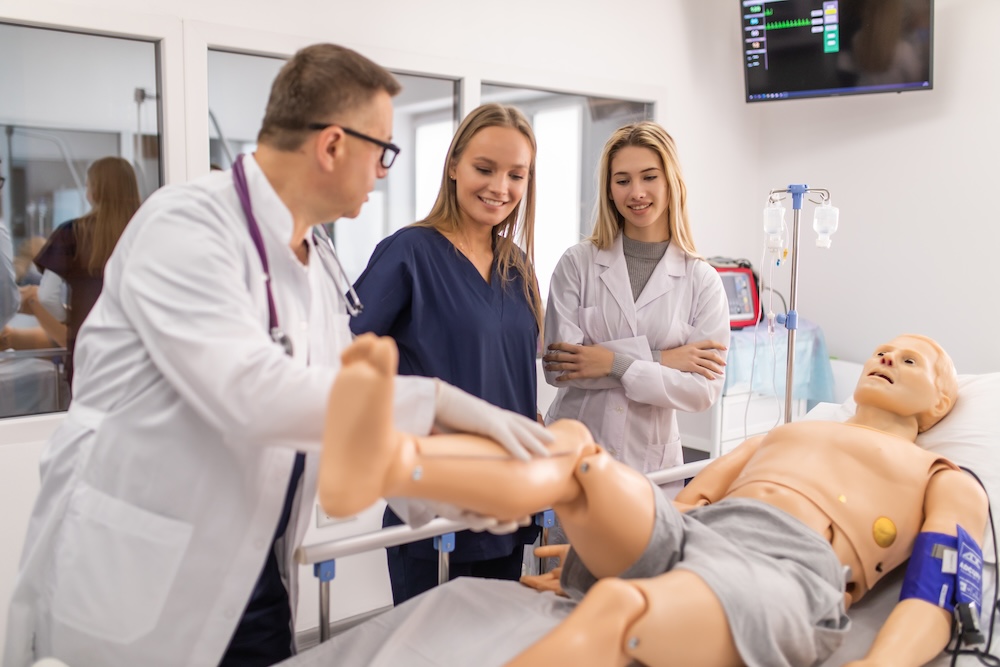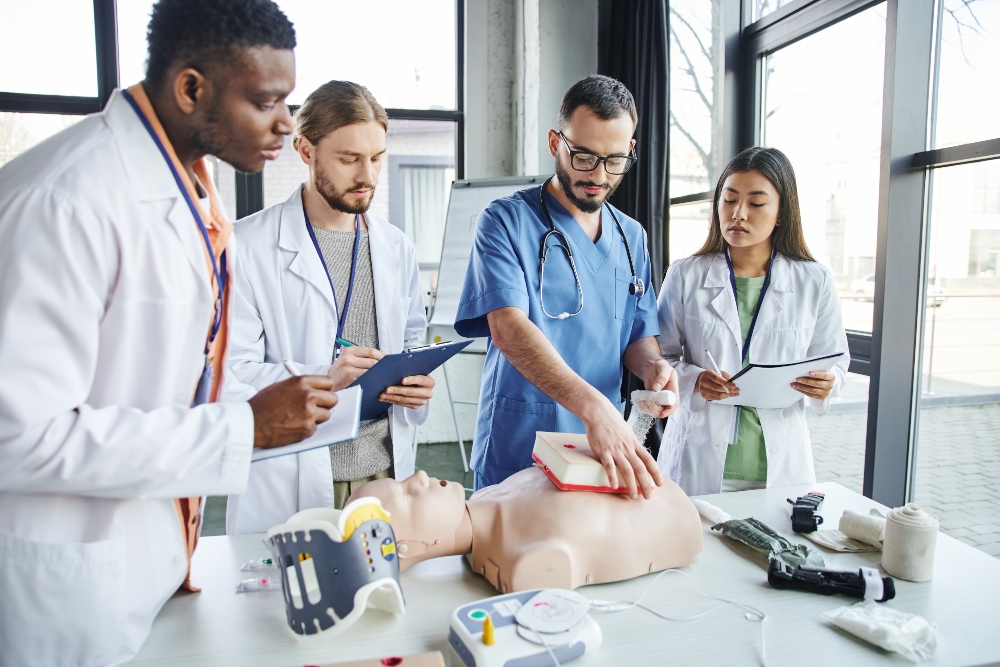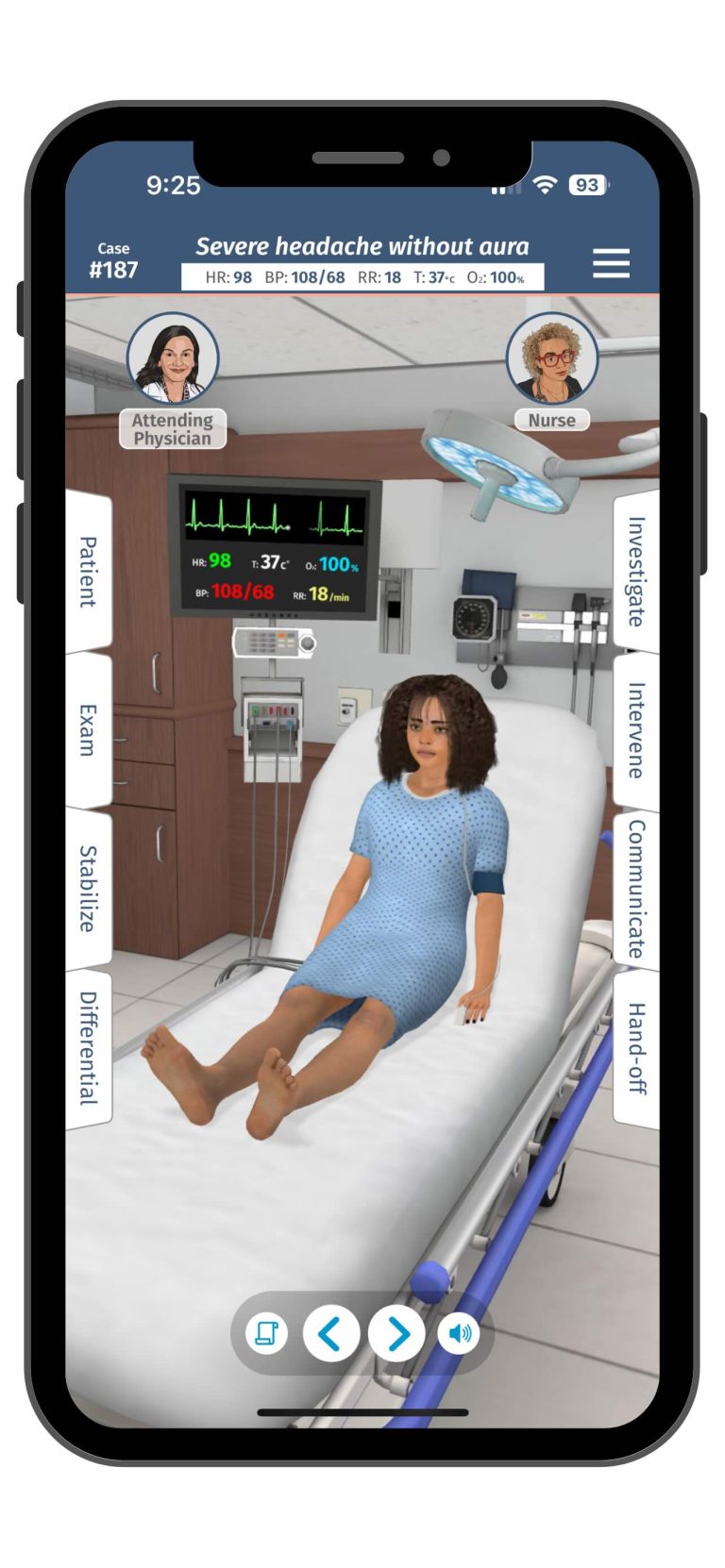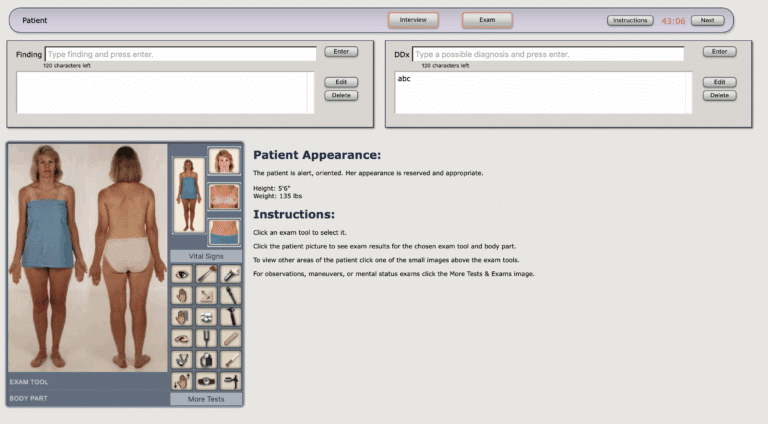

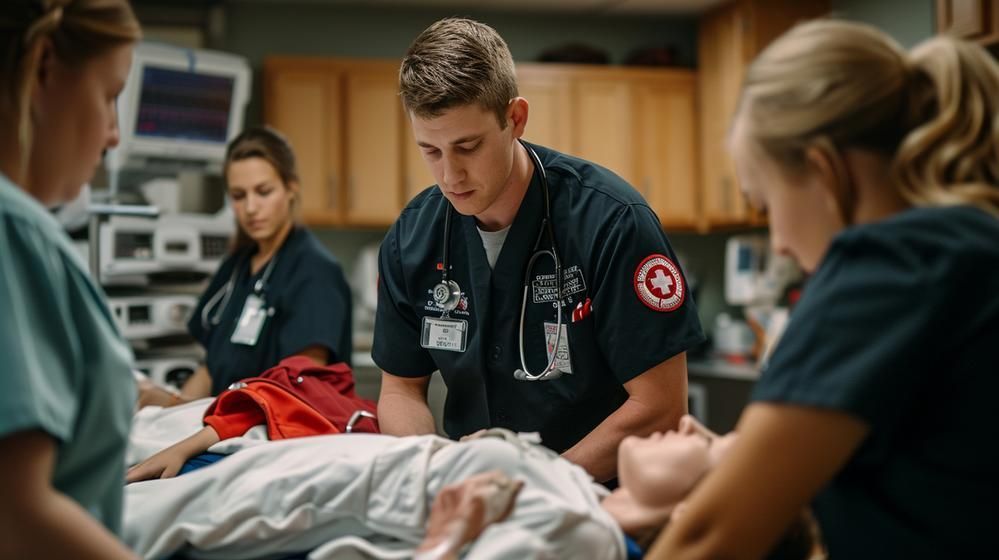
Interprofessional healthcare simulation comes partnered with many actual and perceived challenges as well as silos. However, these silos are worth breaking in order to improve patient safety and clinical care delivered. Interprofessional simulation programs are an incredibly important consideration to ensure that clinical teams have adequate opportunities to be able to function at optimal performance. Inter-professional simulation is well known to assist to improve communication, teamwork, and confidence of healthcare professionals. This article by Erin Carn-Bennett, RN, MSN will explore why there is benefit to put effort to overcome the challenges to facilitate Inter-professional simulation.
Interprofessional simulation assists all healthcare professionals to understand different perspectives and roles that differ from their own. This can lead to an increased value of the collaborative approach to care and understanding of how long clinical tasks can take for certain team members. This determinant even as an individual learning objective or achievement of interprofessional simulation is incredibly powerful and can be at the center of life altering clinical simulation experiences for participants of all levels in their clinical practice. This alone makes the battle to tackle the challenges that can be a part of interprofessional simulation worthwhile.
Healthcare simulation based education can assist to promote equity in healthcare education by the provision of equal access to education for all team members. However, the process to implement an interprofessional simulation program is far from one of ease, equity and attendance for all healthcare professions. Dependant on educational requirements of different professionals at a national and international level can mean that some professions will be prioritised over others. There are also many other factors that can impact the ability to provide interprofessional simulation.
Some common identified themes within interprofessional simulation can include:
- Time that is required to make up intravenous fluids and medications
- Time to deliver medications and intravenous fluids dependant on urgency
- Lack of clarity around urgency, prescribing and formulations of medications in an emergency
- Stereotypes of different healthcare professional groups can be identified and challenged as appropriate in interprofessional simulation
- Assumptions around these items discussed above by different healthcare professional groups, among many other identified potential and actual issues for different healthcare professional groups
View the HealthySimulation.com Webinar An Interprofessional, Experiential, Performance-based Model for Healthcare Professions to learn more!
Interprofessional simulation can face a number of challenges in regards to the facilitation and also team based requirements for delivery. The process to get schedules from different healthcare professionals to align to their rosters and workflows can be incredibly difficult. For some groups there will be protected time for them to attend healthcare simulation based education and for others there may be no protected time from their clinical workloads. There can also be challenges to have enough interprofessional facilitators available to be able to deliver the clinical simulation based education as well.
As with the theme of current challenges with healthcare overall, there can be a lack of clinical space or otherwise for clinical simulation to be able to be delivered. If the clinical simulation is delivered away from the clinical space, this can also mean that some staff are unable to be released from the clinical space due to clinical demands. There can also be challenges with staff that are pulled back to clinical work at the last minute which also affects the ability to deliver interprofessional simulation. There needs to be predefined plans of action to mitigate and also continue with the healthcare simulation based education session when these challenges do occur.
Tips to Overcome Silos and Make Interprofessional Simulation Happen
There needs to be presence and involvement of all healthcare professional teams in the healthcare simulation faculty who will participate in the clinical simulation ideally. This also assists with representation within the delivery and also debrief of the clinical simulation experience. This presence can also help with the advocacy process for the importance of the interprofessional simulation in spaces outside of the clinical simulation as well. Without the presence of all of the healthcare professional teams, there should not be assumptions made of other teams’ challenges and points of view by others.
View the new HealthySimulation.com Community New to Healthcare Simulation Group to discuss this topic with your Global Healthcare Simulation peers!
Networking and buy-in from management of all of the healthcare professional teams is essential as early on in the process as possible. Spend time as a clinical simulation faculty to educate and endorse clinical simulation to become an enmeshed cultural element of the clinical department. Healthcare simulation has numerous benefits for departments such as: improved team culture, identification of latent safety threats, reduction in sick leave, improved staff wellness and feelings of being valued. To train together means that teams can excel together in clinical care of real patients. The culture of this can be incredibly profound and should not be underestimated by any healthcare professional team.
Time should be dedicated as early as possible to review what time, place and how long the interprofessional simulation will run for. This is a critical element to ensure a successful interprofessional simulation program. Ideally these factors should also be scheduled to be reviewed by interprofessional teams involved regularly as well. This will allow for each team to be able to bring forward challenges currently with rosters, sick leave, staffing levels and other issues that will impact on the interprofessional simulation programs success.
This article has discussed the power of interprofessional simulation. Interprofessional simulation can be incredibly difficult to organize, facilitate and also maintain momentum of. However this is an incredibly important style of healthcare simulation which is worthwhile to spend time to tackle the schedule and other challenges that can impede on the success of delivery. The power of different healthcare professional groups to gather and understand and challenge stereotypes and assumptions through healthcare simulation can aid to improve patient safety through latent safety threat identification and improvements to teamwork. Though incredibly time consuming and challenging, the effort is most definitely worthwhile.