
India struggles with a large population, the burden of diseases, and a shortage of skilled healthcare workers who may lack proper medical infrastructure and training. The establishment of medical simulation technology can impact many of these problems. The implementation of simulation-based training in India’s healthcare system can improve clinical competencies, reduce medical errors, and address the skilled gaps in critical areas. This article by Bhavesh Patel, MD, Pediatrician and certified Child Nutritionist, explores the potential benefits of medical simulation adoption in India to address these issues. The article also explores the possible ways that India can adopt healthcare simulation technology from developed countries.
Challenges Faced by India’s Healthcare System
India is a country of progress and growth that has made significant progress in various sectors, but faces challenges in the healthcare sector. India’s 1.4 billion population experiences a heavy burden of communicable and non-communicable diseases. Maternal and child mortality rates are still high in India in comparison with developed countries. India faces a shortage of skilled healthcare professionals and paramedical staff. This shortage of skilled healthcare workers was actually felt during the COVID-19 pandemic, where comprehensive and collaborative critical care was actually needed.
View the HealthySimulation.com webinar Peer-Assisted Training for Novice Clinical Simulation Faculty Development to learn more!
The medical education system in India still follows the orthodox method of learning, in which healthcare professionals are dependent upon real patients for learning experiences. Lack of teaching faculty in medical schools and poor infrastructure with outdated medical equipment are significant challenges leading to suboptimal patient care and poor outcomes. Healthcare workers rely more on theoretical knowledge rather than practical experience, which limits their readiness for real scenarios. This limits the opportunities healthcare professionals have to encounter specific medical conditions. Moreover, there is a lack of an interdisciplinary approach-based training in healthcare schools. These gaps can lead to confusion and potential mismanagement when these conditions arise in real-time scenarios. Here, medical simulation technology can play a pivotal role in India’s healthcare system.
About Medical Simulation Technology
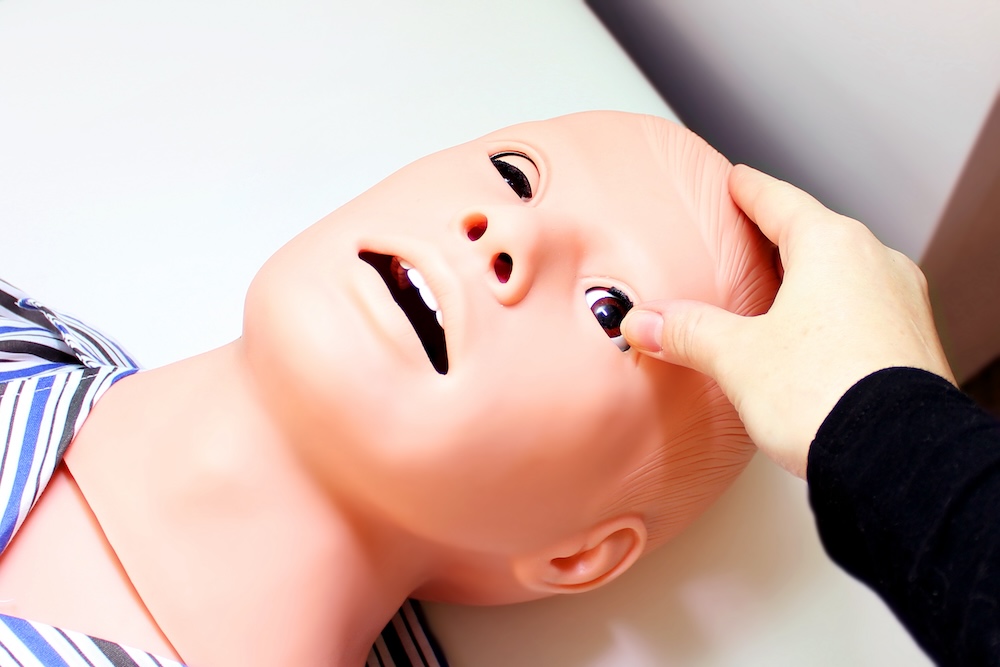
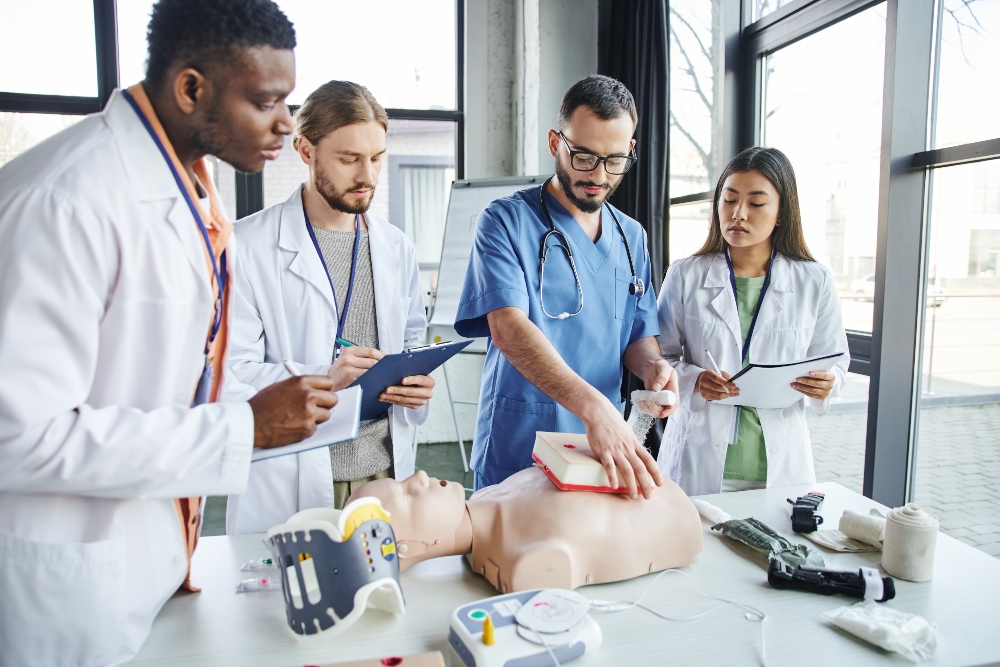
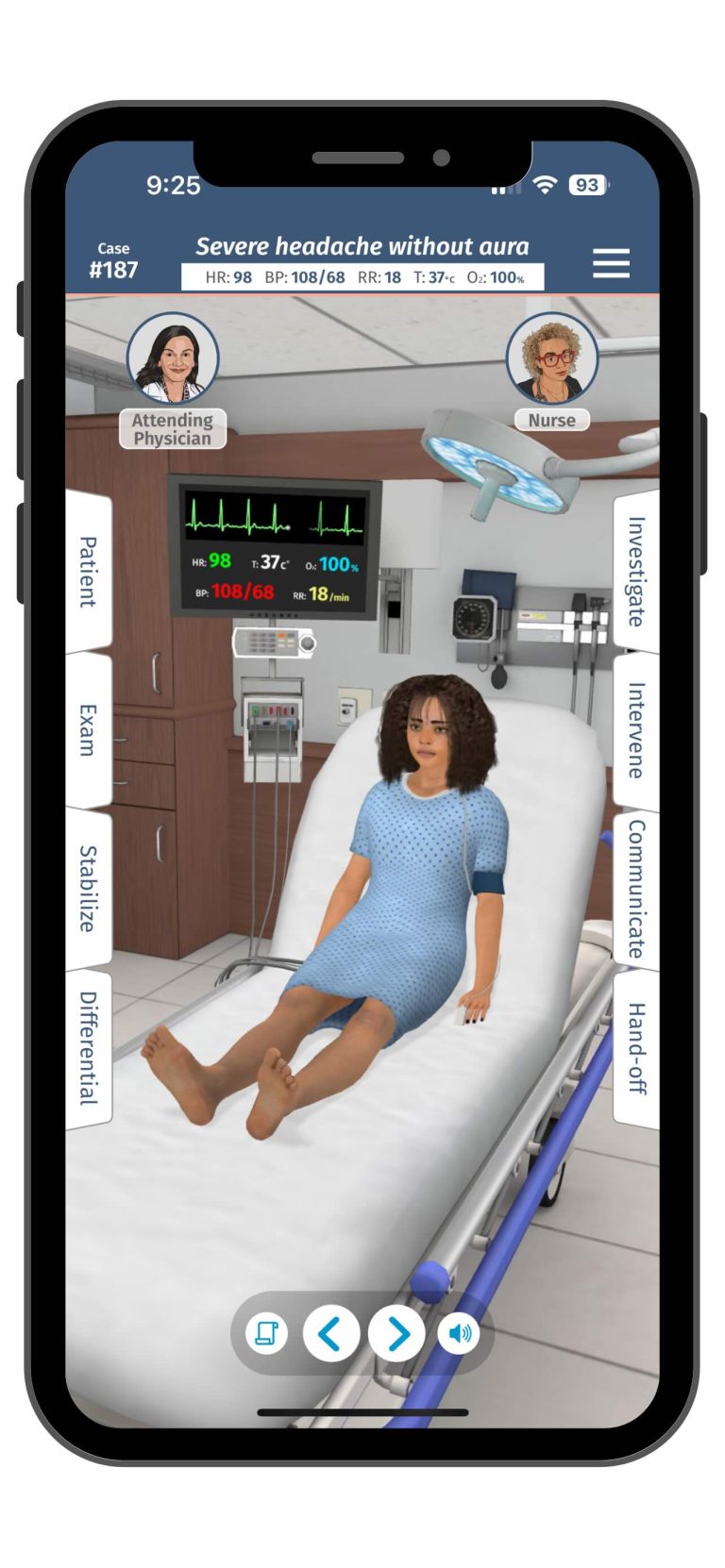
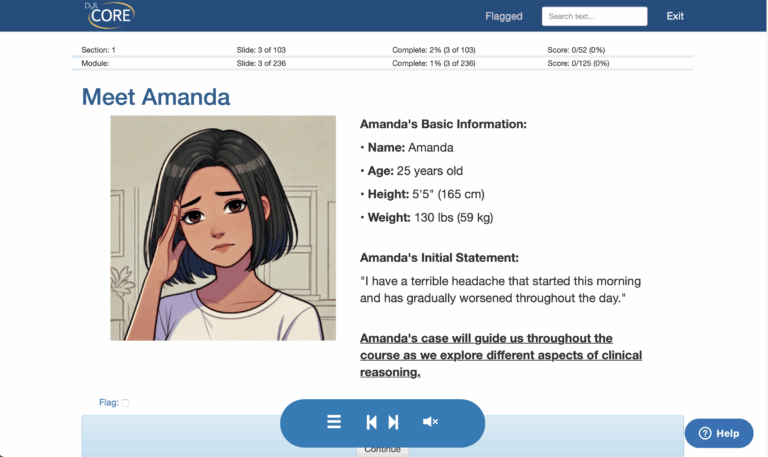
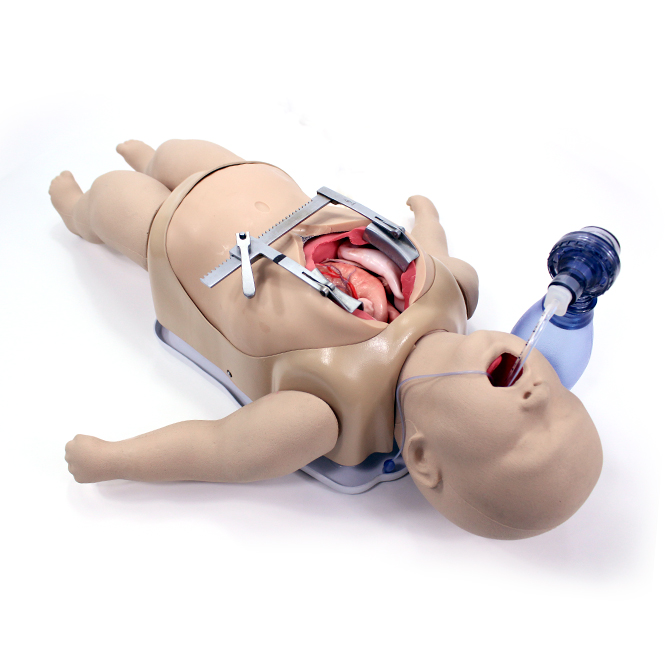
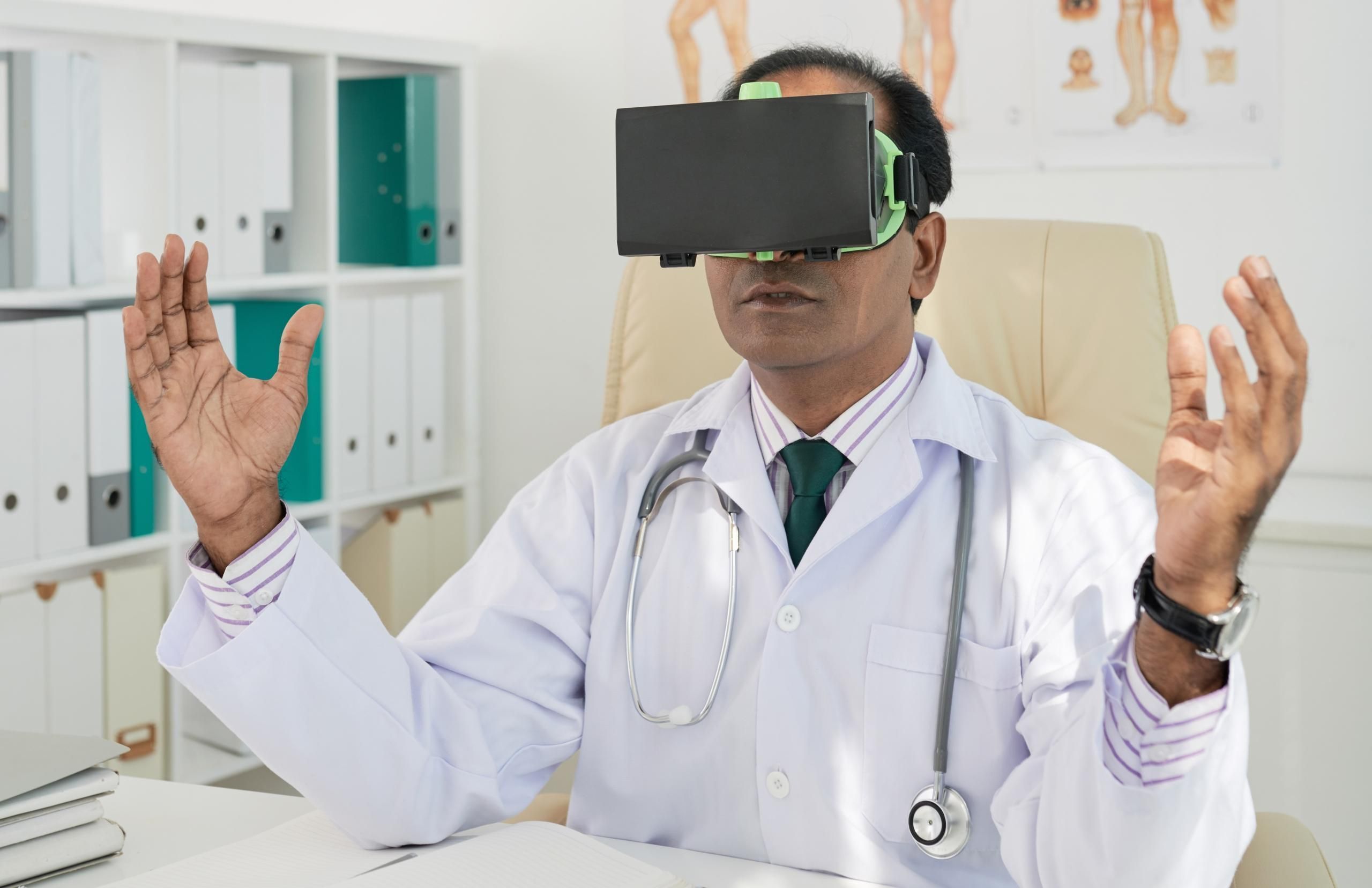
Medical simulation learning is a technology-driven learning method where healthcare professionals do not need an encounter with real patients. Simulated technology does not require costly setups. The system generates medical scenarios of different medical conditions virtually with the help of platforms like mobile apps or VR headsets, or with the help of mannequins. One medical simulation scenario can be played multiple times with different parameters. Medical practitioners can encounter this scenario until they achieve enough confidence to handle a situation in real time. This creates strong visual and virtual memory imprints in the brain, which can enhance memory retention and help healthcare providers to recall procedures and critical steps more effectively. Medical professionals can practice complex medical scenarios and procedures in controlled environments to improve confidence without risk.
View the new HealthySimulation.com Community Medicine Simulation Group to discuss this topic with your global healthcare simulation peers!
This allows practitioners to gain experience before working with real patients, thus reducing medical errors in real time. Idea also provides space for healthcare professionals to work in a team and helps to enhance communication and coordination among them. This approach provides realistic training for rare diseases and ensures readiness and competence when these situations arise in real time. This reduces training cost and training duration. Technology enables training in various settings, like an operating theater, intensive care unit, or emergency unit, with relevant medical devices. Medical and paramedical health workers can both take advantage of this technology. This information can even be used to educate the general population. Algorithms can be used at medical schools for a more realistic experience with subjects like anatomy, biochemistry, physiology, drug pharmacokinetics, etc.
Thus, medical simulation learning will allow integration between medical education and training programs across India. This approach will help to develop specialized skills among healthcare workers in a controlled environment. This will eventually improve patient safety and outcomes and will also help healthcare workers to understand the importance of communication and teamwork.
Evidence-Based Studies to Support Healthcare Simulation
A study published by Issenberg and colleagues (2011) concluded that simulation-based education with deliberate practice improves clinical skills in a range of specialties and significantly enhances patient outcomes in the real-world setting. There are many other studies and research that conclude similar outcomes.
The Pediatric Simulation Training and Research Society of India, named PediSTARS, is an organization in India that promotes simulation-based learning. PediSTARS conducts various workshops and conferences in many regions of India.
Simulation in Healthcare Society, named SHS, works on simulation technology in the healthcare area. SHS commits to setting up protocols and curriculum for simulation courses and collaborates with other simulation platforms worldwide.
How to Set Up Medical Simulation Labs in India
To initiate medical simulation programs in India, a multi-step approach would be effective. Medical schools and training centers will need to be funded, and national policies from the government will need to set up simulation labs. A regulatory framework will be required to establish guidelines for the standardization of simulation programs to ensure quality and consistency. Incorporation of medical simulation knowledge and resources through collaboration with global healthcare simulation leaders will facilitate a quick start. Along with the government sector, private sector involvement and investment will be necessary. A faculty training program will need to be established to train faculty, and the development of a medical curriculum with purposeful integration of simulation-based learning will be essential.
India can leverage a range of established healthcare simulation technologies from developed countries to create India’s unique, tailored setup to meet their needs. High-fidelity mannequins, VR headsets, clinical simulation software programs, mobile simulation units, and computer-based simulation programs can be harnessed from well-established healthcare simulation markets.
The Benefit of Healthcare Simulation in India
Not only India but also developed countries will also have benefits if India sets up a medical simulation program. These developed countries will have access to a viable healthcare market. There will be collaborative research opportunities for them in India’s market. Moreover, this will also facilitate developed countries turning to the development of low-cost simulation solutions. This advancement can be the link for future collaboration for both countries.
The establishment of a medical simulation program in India will improve the skills of healthcare professionals, reduce their training duration, improve patient care and outcomes, and reduce future financial burdens. India can also achieve an international reputation in the healthcare sector by becoming a beacon of innovation and performance in clinical outcomes.
References:
- Vijayanand Jamalpuri, Cheng, A., Lang, T.R., & Eppich, W. Journal of Pediatrics, 2013. Breaking barriers in establishing simulation in India—A collaborative approach by pediatric simulation training and research society (PediSTARS).
- Issenberg SB, McGaghie WC, Petrusa ER, Lee Gordon D, Scalese RJ. PMID: 16147767. Features and uses of high-fidelity medical simulations that lead to effective learning: A BEME systematic review.
- Zendejas B, Brydges R, Wang AT, Cook DA. Patient outcomes in simulation-based medical education: a systematic review. J Gen Intern Med. 2013