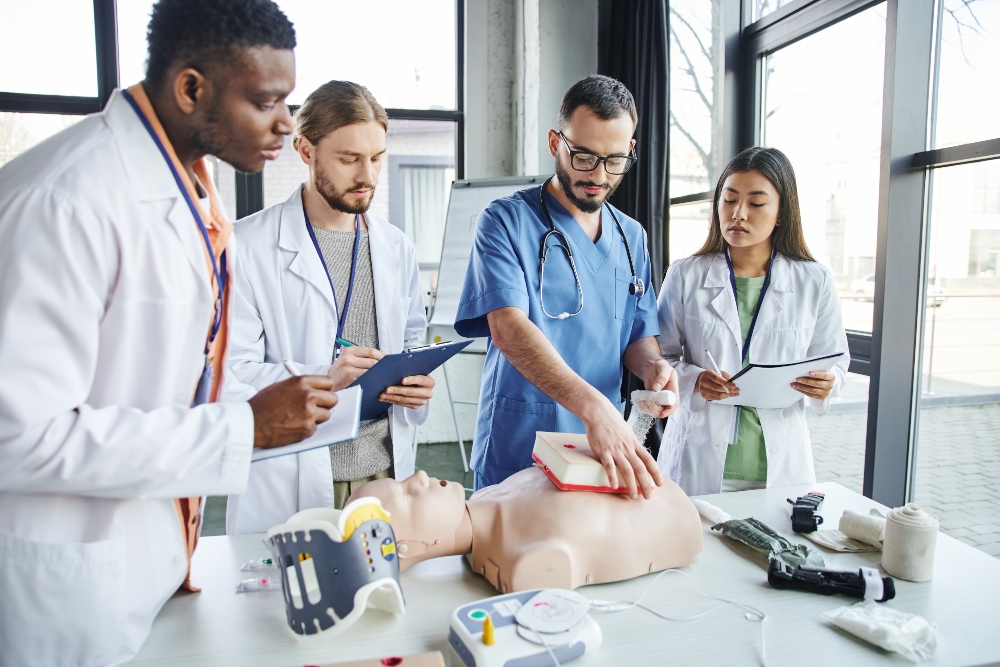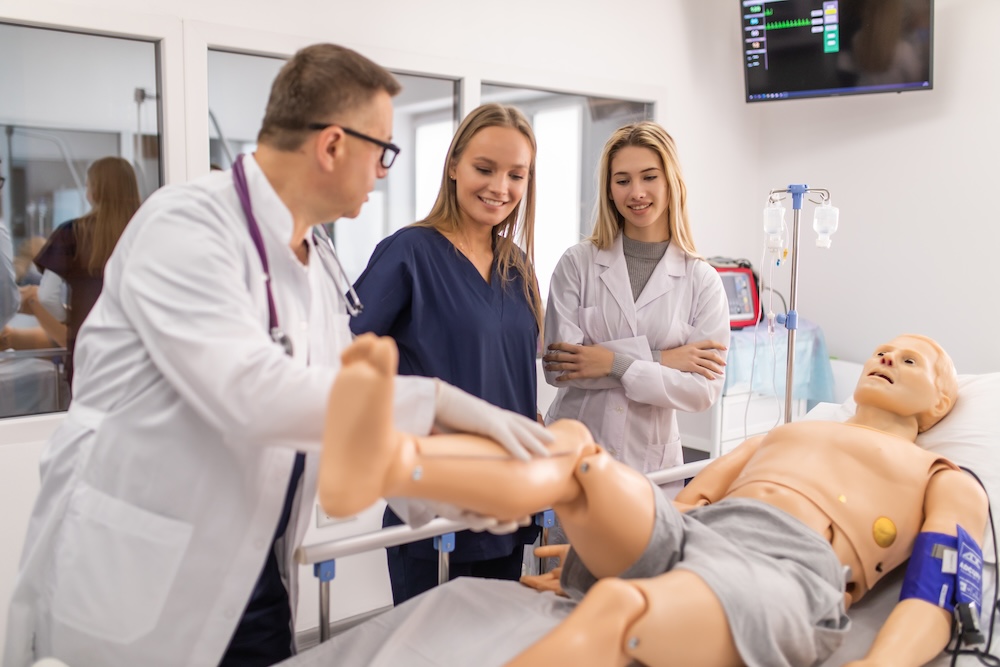


For some beginner healthcare simulationists due to a variety of factors, there may be a need to run clinical simulation sessions as a beginner on their own. For low resource environments, this challenge can be a reality for many but does not need to be a barrier to a highly effective and efficient clinical simulation program. Despite challenges such as those described, this does not need to mean that a successful clinical simulation program can not be founded from this start point. This article by Erin Carn-Bennett, RN, MSN, will explore how to set up for success in the healthcare simulation environment of scenario delivery alone as a beginner.
Consider what level of fidelity for the healthcare simulation is achievable to deliver to participants carefully. Incredibly effective healthcare simulation sessions can be run by beginner facilitators on their own in this capacity. As with all clinical simulation, start with consideration of what the learning objectives are for the desired healthcare simulation session. Spend some dedicated time to not rush this process and also consider what fidelity of healthcare simulation would best match the learning objectives, alongside the resources and experience of healthcare simulation trained staff available. The temptation is often to want to do more than is required, however simplicity and lower fidelity in this circumstance is usually a great start point.
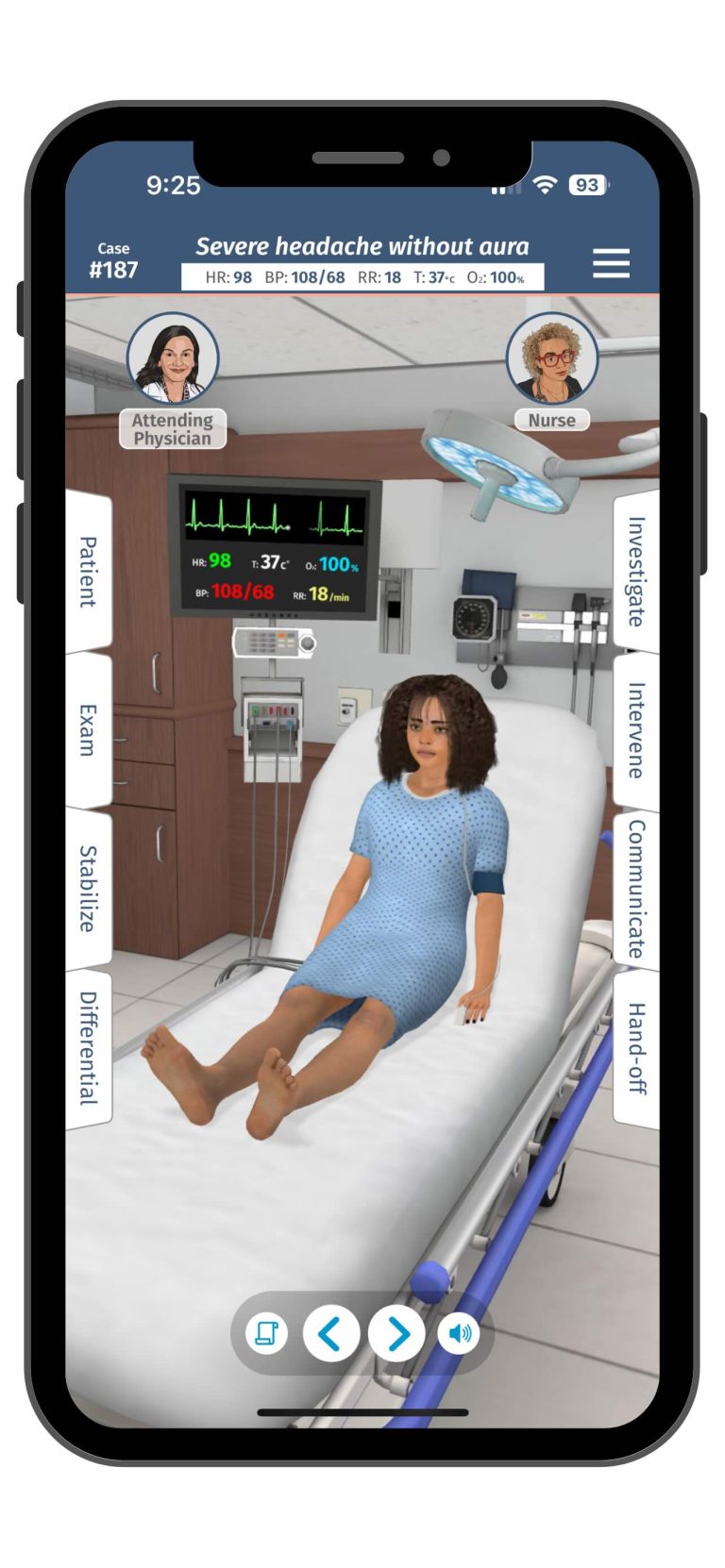
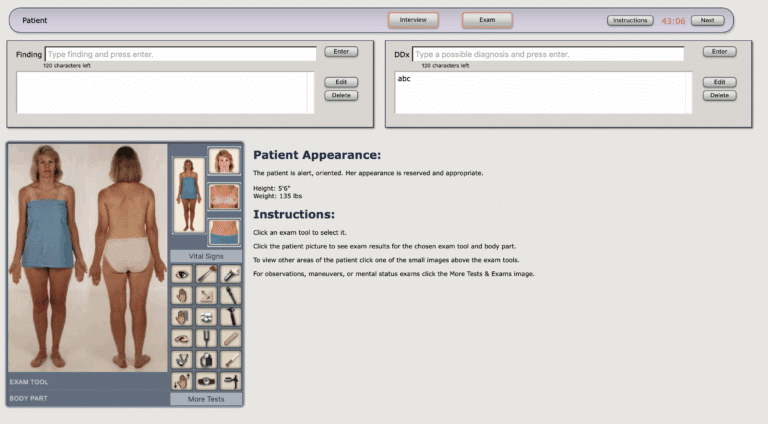
There are a number of free online resources for healthcare simulation facilitators that can assist with the delivery of a broad range of effective clinical simulation experiences. Virtual Resus Room (VRR) is a virtual screen based clinical simulation experience which is open access and free to utilize. Virtual Resus Room has incredibly detailed facilitators support resources and a number of pre-made clinical simulation scenarios that are ready to go. The Virtual Resus Room team has also released Tabletop Resus Room which is a paper based clinical simulation that can also be incredibly effective. There are a number of tabletop simulation based resources available online, as well as publications and research which support their usefulness.
Low Fidelity Healthcare Simulation is Still Impactful
Low fidelity clinical simulation experiences can still provide incredibly insightful and powerful healthcare simulation experiences. These experiences often have much lower costs associated with manikin requirements also if working within a low resource environment. Not only is the cost lower, but the resource and expertise from a technology requirement standpoint is much less. If starting out without experience from others more experienced in clinical simulation delivery around, this can assist to remove any actual or perceived barriers to clinical simulation delivery.
View the HealthySimulation.com Webinar Peer-Assisted Training for Novice Clinical Simulation Faculty Development to learn more!
Seek out mentorship where possible from those who are experienced in clinical simulation. Options for this could include more resourced organizations nearby or within the same country. Make an effort to join international healthcare simulation organizations and also seek out any mentorship or support that may be able to be provided through their services and resources. Mentorship can be incredibly useful to assist a beginner in healthcare simulation to be able to advance in a faster manner with much more confidence and can be worth the effort.
Seek out Healthcare Simulation Support
Become active on healthysimulation.com community boards and ask a lot of questions. There are a number of incredibly active experts not only within this forum but many others online such as within social media groups as well. The international clinical simulation community is incredibly supportive of beginners in the field and often just asking questions can bring about a lot of useful support and resources for beginners. There is also a large amount of free and open access support available for everyone for both virtual and in person options.
Standardized and Simplified Processes and Structures Can be Helpful
Standardize as much of the process as possible in regards to planning, preparation, delivery and follow up reports after clinical simulation delivery. There are numerous open access resources available online in terms of course preparation documents, scenario templates and post course templates to populate and make better use of time. Dependant on other support available as a beginner, if there is administrative support available this can also be an incredibly useful resource to tap into.
View the new HealthySimulation.com Community New to Healthcare Simulation Group to discuss this topic with your Global Healthcare Simulation peers!
Chatgbt can be an incredibly useful tool for the beginner in clinical simulation to use to both seek external expertise and to also save a lot of precious time. Chatgbt can write and design timetables, scenarios, curriculums and also write post course feedback reports. The key to the use of chatgbt being used to the full capabilities is to continue to ask chatgbt to refine the work provided. Chatgbt is a great start point for a framework when there is only a blank piece of paper. Often editing is required but this process can bring down time required for clinical simulation experience administration tasks significantly.
A healthcare simulation buddy to join in the quest to learn new skills in healthcare simulation as well can be a useful strategy. Two beginners can help to support and grow each other together. Some people can be incredibly reluctant to tackle facilitation of clinical simulation scenarios on their own, particularly as a beginner. To have another person who grows in this skillset can mean that there is more sustainability in the clinical simulation program.
This article has discussed how to run a clinical simulation scenario alone as a beginner.This can be an incredibly daunting thought for beginners, however this is at times not uncommon for low resource environments. To start a clinical simulation program from such a humble start does not mean that the healthcare simulation program will not go onto be an incredibly successful program. With consideration and dedication to grow a successful and impactful clinical simulation program, this is possible.
Read More on How to Get Started as a Clinical Simulation Debriefer