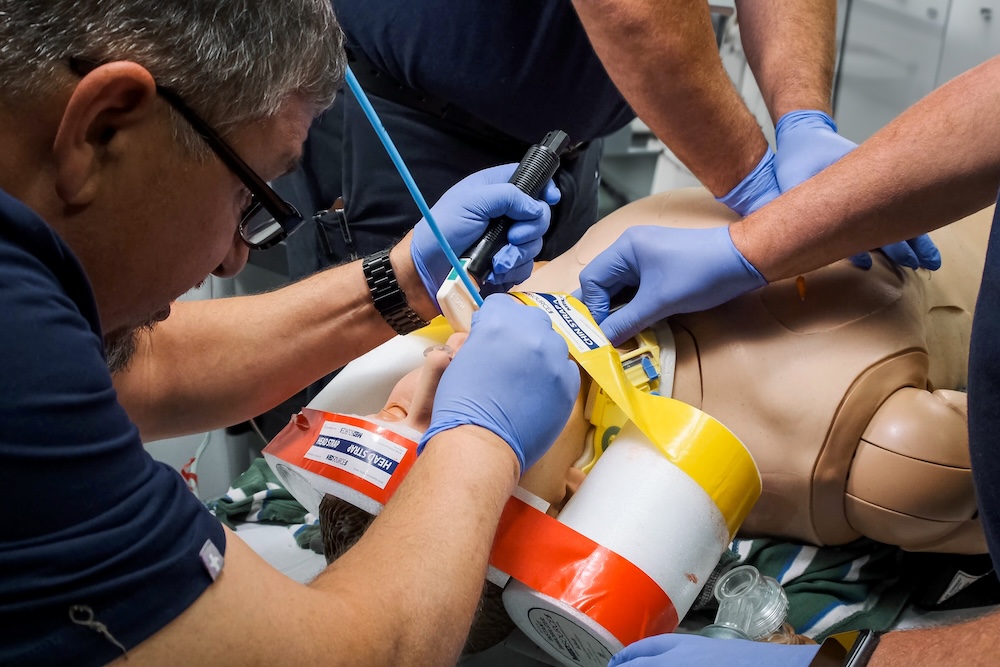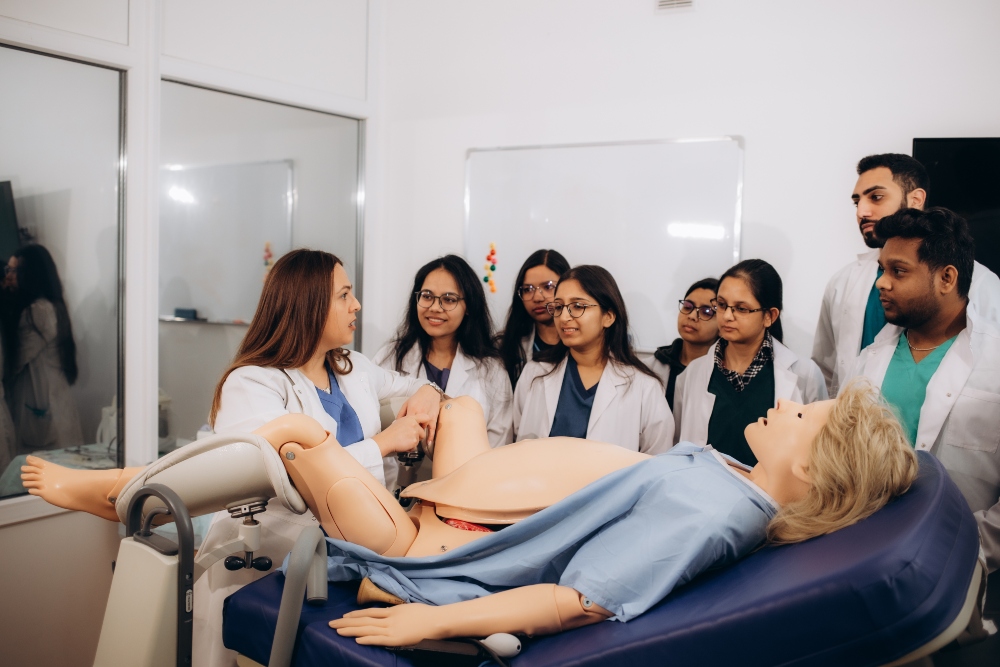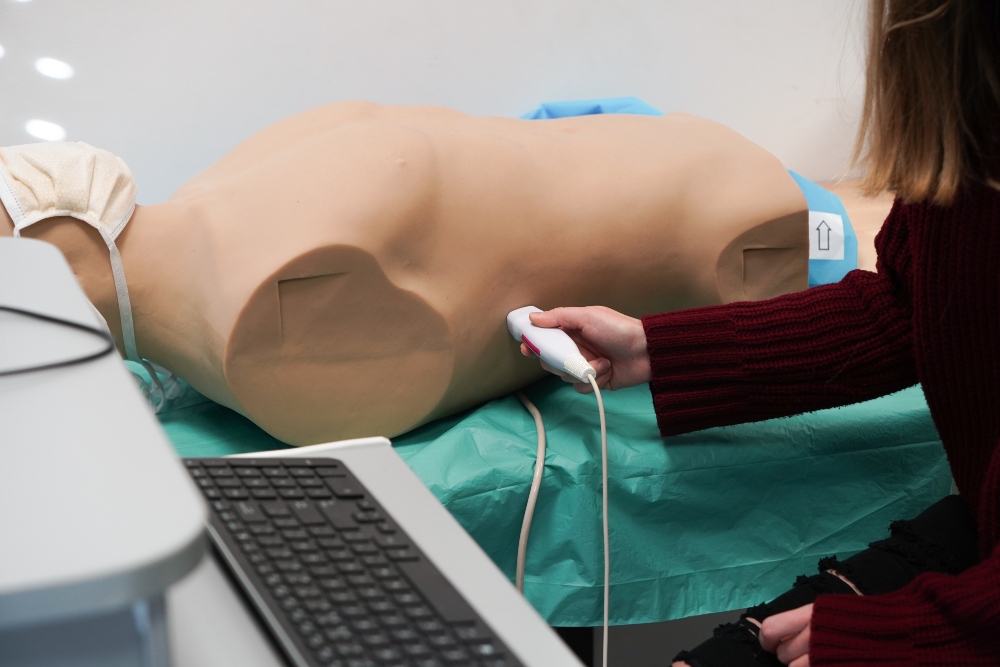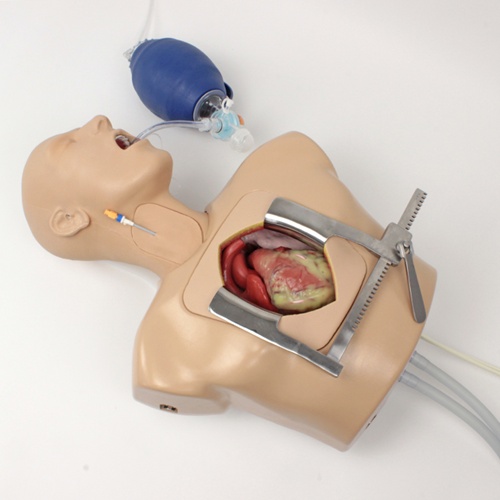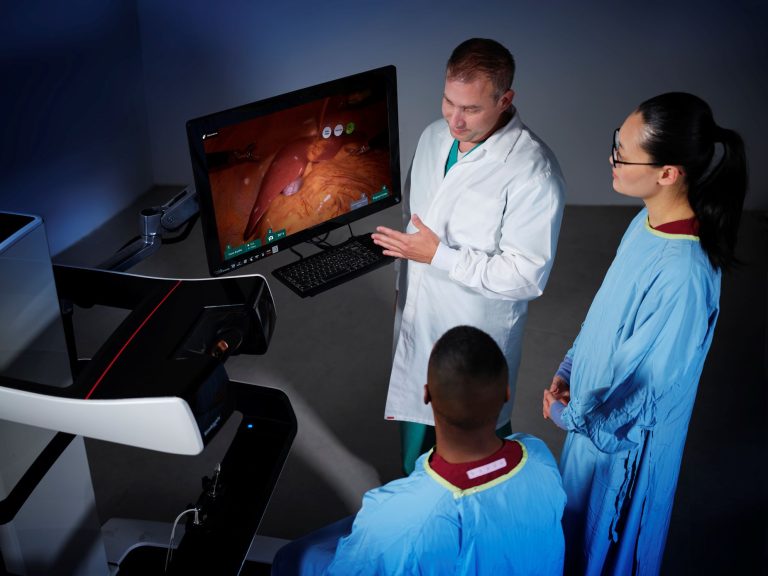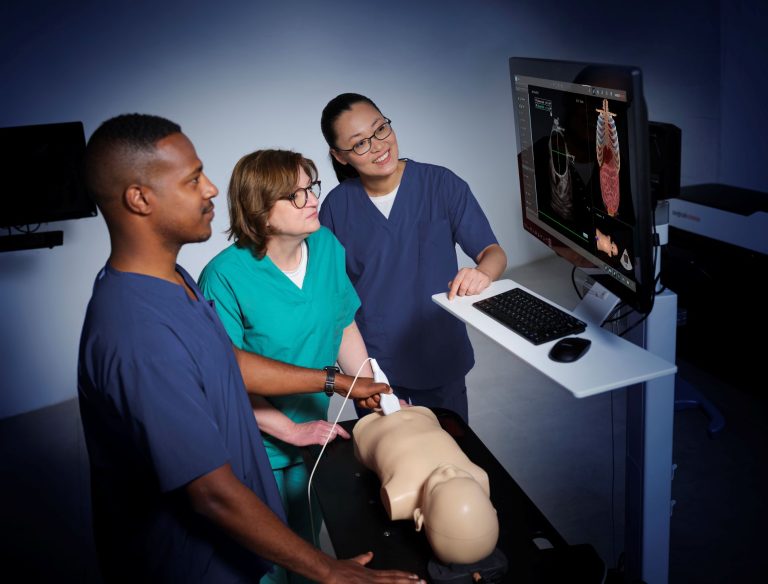

A surgical simulator is a surgical simulation tool that can be used as a way for learners to practice surgical procedures without posing any risk to real patients. In medical simulation experiences, surgical simulators can be designed specifically for a particular procedure, or more generally to be able to be used for several types of procedures (like laparoscopic surgery). As a number of clinical simulation vendors now produce these effective training solutions, surgical simulators are more accessible than ever before. This is important as the healthcare industry continues to strive for heightened patient safety standards. This HealthySimulation.com article by Founder/CEO Lance Baily will highlight some surgical simulators used to train surgeons to improve patient care and outcomes. Be sure to visit the new HealthySimulation.com vendor directory to find the latest information about surgical simulator companies and products!
Benefits and Advancements in Surgical Simulation
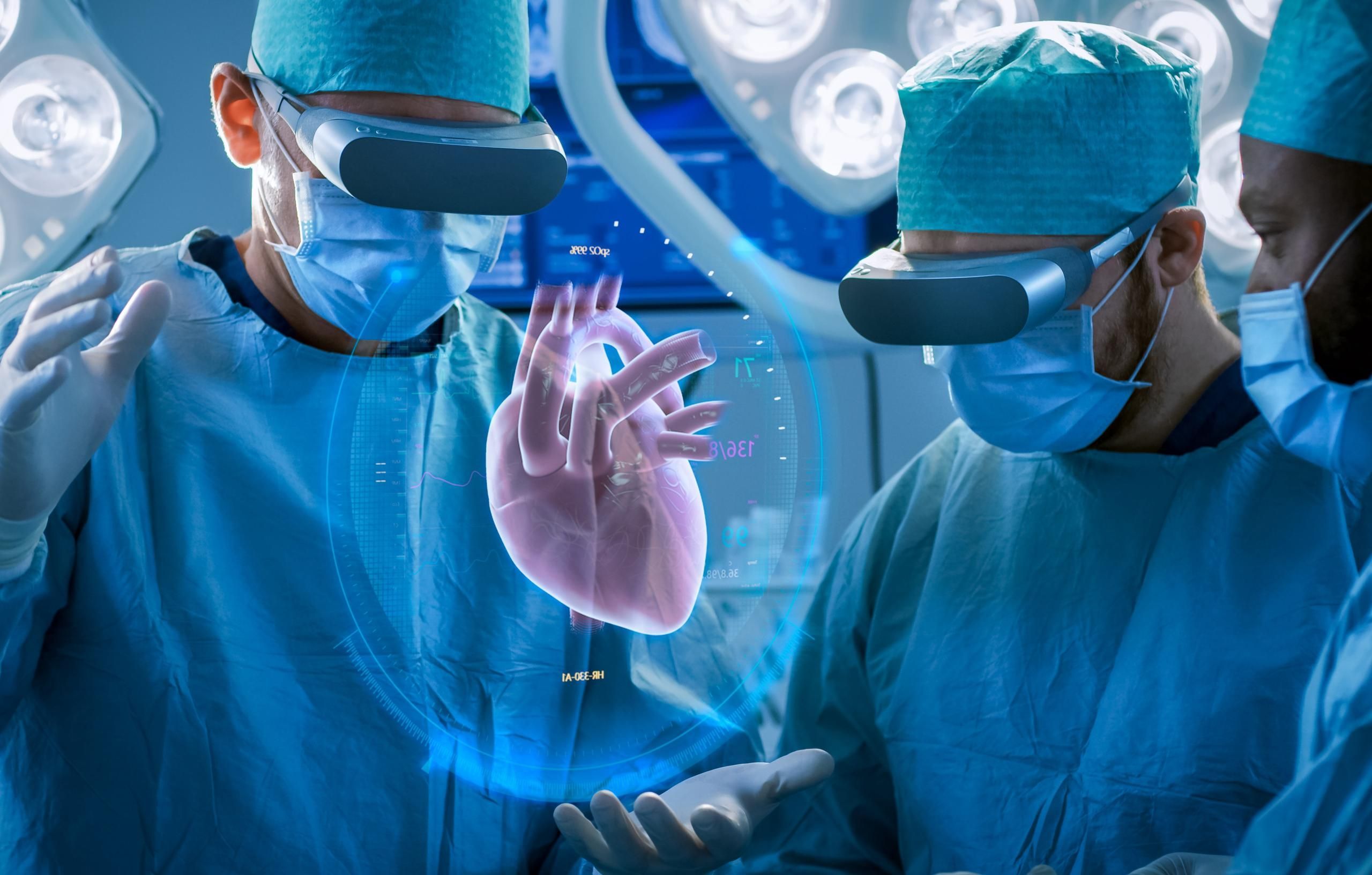
Making this increasingly possible, surgical simulation is now much more reliant on virtual reality (VR) surgical simulators. These tend to provide learners with the ability to practice surgical procedures from anywhere and at any time, which adds convenience and the potential for unlimited repetition. Having a surgical simulator that offers high-fidelity healthcare simulation is also beneficial, providing the most realistic experience possible for the learner.
Alternatively, physical surgical simulators can also be made of materials such as rubber or plastic and can be used to allow learners to make cuts or sutures directly on the surgical simulator. Physical surgical simulation products may have limitations, especially in regards to how many times a single surgical simulator can be used. Utilizing surgical simulators with limited uses can become more costly, as the institution or facility needs to acquire enough to meet the needs of all learners.
An example of a type of surgery that can be trained on using a surgical simulator is laparoscopic surgery. These surgical simulators are minimally-invasive training tools intended for learners and medical professionals alike. Laparoscopic training simulators can be used in training on medical simulation scenarios focused on laparoscopic surgery – as they demonstrate virtually all major abdominal surgical procedures. With laparoscopic surgical simulators, learners can begin to familiarize themselves with all performance methodologies.
Surgical Simulation Certification and Training
Moving toward this goal, some professional licenses and certifications have even come to require that the use of a surgical simulation be completed before program completion. For example, the Fundamentals of Laparoscopic Surgery (FLS) certification by SAGES is one of the healthcare licenses that require skills demonstration through the timed performance of surgical simulation exams. This certification includes a comprehensive web-based education module that extends a hands-on skills training component and assessment tool. The tool is designed to teach physiology, fundamental knowledge, and technical skills required in basic laparoscopic surgery. Some other certifications and courses which use surgical simulation are:
- Fundamentals of Endoscopic Surgery (FES)
- Fundamentals of Robotic Surgery (FRS)
- ACS/APDS Surgery Resident Skills Curriculum
- Advanced Trauma Operative Management (ATOM)
- Basic Endovascular Skills for Trauma (BEST) course
- Orthopaedic Surgical Simulation Labs
- Neurosurgery Boot Camps
- da Vinci Simulation Training Courses
- TeamSTEPPS Surgical Simulations
View the HealthySimulation.com Webinar The Surgical Simulation Journey to Cure Blindness: Just Five Days to Competency with HelpMeSee to learn more!
Examples of Surgical Simulators
Surgical Science: Surgical Science is a supplier of medical virtual reality simulators. The company’s first VR surgical simulator, LapSim, was launched in 2001. Since then, this particular healthcare simulation solution has expanded to include best-in-class procedural surgical simulation for cholecystectomy, appendectomy, advanced suturing and anastomosis, gynecology, hysterectomy, bariatrics, and nephrectomy. Additionally, Surgical Science’s robotic surgery simulators are widely recognized in surgical simulation and training – and help teach novices, experienced surgeons, and supporting OR staff the fundamental and advanced skills of robot surgery. Some other products include SimNow / Simbionix VR simulators (acquired from 3D Systems), Mimic dV (da Vinci robotic system simulation), Xperience Team Trainer, and OSSim OrthoSim.
UpSurgeOn: The UpSurgeOn project strives to empower the learning and teaching methods of neuroanatomy and neurosurgery through high-tech cognitive, virtual, and physical technologies. Made by neurosurgeons for neurosurgeons, UpSurgeOn’s BrainBox is an example of a neurosurgical simulator for both virtual and physical hybrid training. The product is a hyperrealistic simulator of neurosurgical approaches and intracranial scenarios. The BrainBox is modular; a learner has the ability to change the internal scenario in order to switch from one approach to another.
Medical-X: The Medical-X LAP-X is a surgical simulator that provides easily accessible minimally invasive training for medical professionals at a low cost. This surgical simulator was designed for medical residents, physicians, and operating room assistants who require exercise laparoscopy skills training in medical schools/universities, hospitals, and skills centers. The advantages of the LAP-X are that the product is intuitive to use, the software and hardware are self-explanatory and do not need third-party guidance, and the product uses real surgical instruments to narrow the gap to reality.
Inovus: The Bozzini Hysteroscopy Simulator by Inovus Medical delivers close-to-life, affordable, turnkey hysteroscopy simulation. The surgical simulator offers an anatomically correct uterus with interchangeable pathologies for practicing diagnosis and intraoperative management. Pathologies include endometrial polyps, intrauterine adhesions, and endometrial cancer/fibroid as well as a bicornate uterus. The pathologies offer real-to-life tissue handling and are a low-cost way of delivering repeated practice of these core hysteroscopic skills.
Mentice: Mentice is a medical device company that produces software and hardware surgical simulation solutions for endovascular therapies. Of Mentice’s simulators, the VIST G5 is a portable high-fidelity simulation tool, enabling hands-on endovascular procedural training for clinicians and medical professionals. Another Mentice simulator, the VIST One TEE is the company’s portable transesophageal echocardiography simulation solution and combines realism and ultimate flexibility. VIST One TEE is a solution designed to help learners acquire fundamental echocardiography skills through self-learning and under expert guidance.
View the new HealthySimulation.com Community Surgical Simulation Group to discuss this topic with your Global Healthcare Simulation peers!
Virtamed: Virtamed uses healthcare simulation to implement shorter learning curves and the seamless transfer of skills to the operating room via surgical simulation. For example, VirtaMed ArthroS prepares trainees for the operating room quickly and efficiently, to support through their arthroscopic learning journeys. VirtaMed UroS surgical simulator provides simulation training for TURP, TURB, laser BPH with Thulium or HoLEP, and morcellation. Other anatomical models include HystSim and GynoSim for gynecological surgery and procedures and LaparoS for basic and advanced laparoscopy. Didactic content and expert movies will exemplify the best techniques, and individual courses allow for personalized urologic surgery training.
Other virtual reality surgical simulator products can be found from companies like OSSO VR, Fundamental Surgery, and PrecisionOS.
Through increased use of these types of surgical simulators across educational and professional learning environments, those healthcare practitioners performing surgical procedures in the field can feel more confident in their abilities. Additionally, the experience that surgical simulators provide is a level of expertise that would otherwise need to be acquired through the treatment of human patients, posing the risk of medical error. This is why all medical degree programs and facilities should explore the inclusion of surgical simulators to their list of learner resources.