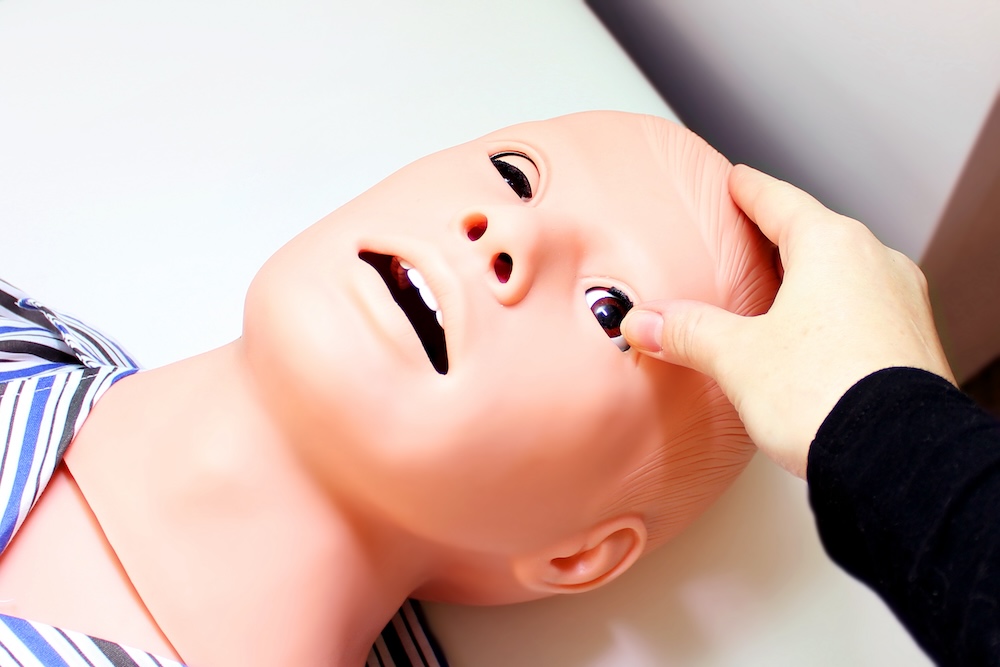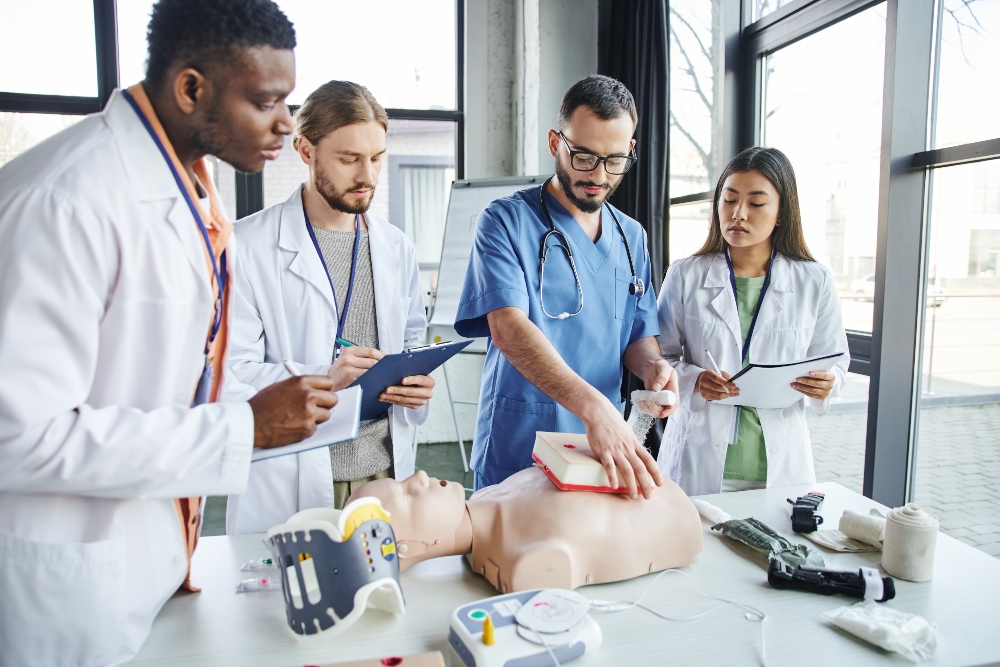

In healthcare simulation, certain scenarios demand more than traditional manikin-based approaches to achieve optimal learning outcomes. Hybrid simulation, which combines standardized patients, aka simulated patients (SPs), with task trainers or manikins, creates a more authentic and nuanced educational environment. This article by Rémy Roe, PhD, and simulation technology specialist at the Stanford University School of Medicine’s Center for Immersive and Simulation-based Learning (CISL), explores four examples of scenarios where hybrid simulation proves particularly effective: stroke assessment, labor and delivery, difficult news, and the provision of care through language barriers. Each scenario demonstrates unique benefits from the combination of human interaction and technical clinical simulation elements.
Stroke Assessment Medical Simulation Scenarios
The complex nature of stroke assessment requires both technical skill and interpersonal communication. A hybrid approach combines an SP who can display facial droop, speech difficulties, and emotional responses with task trainers for specific medical interventions. The SP component allows learners to conduct realistic neurological assessments, observe genuine facial asymmetry, and evaluate speech patterns. This human interaction is essential to correctly perform the NIHSS (National Institutes of Health Stroke Scale) assessment. The SP can also demonstrate different levels of consciousness, emotional states, and cognitive impairment that manikins cannot replicate.
Task trainers enable practice of technical skills such as blood pressure measurement, IV placement, and medication administration. The combination allows learners to prioritize assessments and manage time-sensitive interventions. SPs can also portray family members who provide critical history or express concern about their loved one’s sudden changes. The emotional aspects of stroke care become apparent through SP interactions. Patients often express fear, confusion, or frustration throughout stroke episodes. An SP can demonstrate aphasia or dysarthria and maintain appropriate emotional responses to the situation, which creates a more complex and realistic educational environment.
Labor and Delivery Clinical Simulation Scenarios
Labor and delivery scenarios benefit significantly from hybrid simulation approaches. An SP can authentically portray a patient’s emotional state, pain responses, and communication needs, while specialized birthing manikins have ability to demonstrate the technical aspects of delivery. An SP can provide realistic responses to contractions, express concerns about the birth process, and interact naturally with healthcare providers and family members. This human element allows learners to practice essential communication skills and develop empathy for the birth experience. Moreover, SPs can portray various emotional states and cultural preferences.
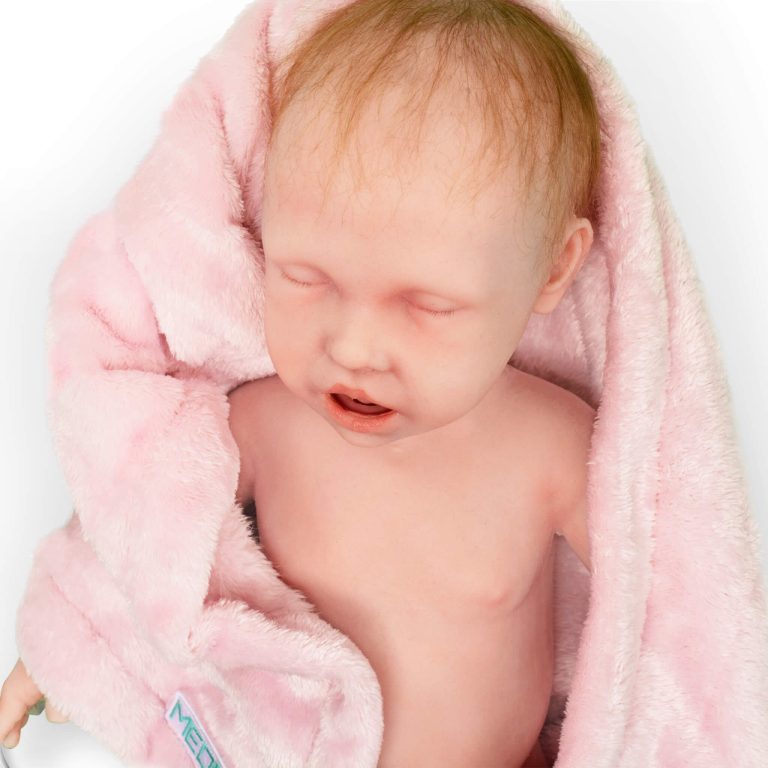
A birthing manikin enables the technical components of delivery, like cervical checks, fetal monitors, and the actual delivery process. When combined with SP interactions, learners must balance technical skills with patient communication and support. This setup allows practice of crucial conversations about pain management, delivery options, and potential complications. Additional SP roles might include partner or family member participation, which adds complexity to the communication dynamics. These interactions help learners develop skills in family-centered care and shared decision-making throughout the birthing process.
View the HealthySimulation.com Webinar Increasing Clinical Realism with Wearable Chest Tube & Wound Care Hybrid Simulators to learn more!
Difficult News Scenarios in Healthcare Simulation
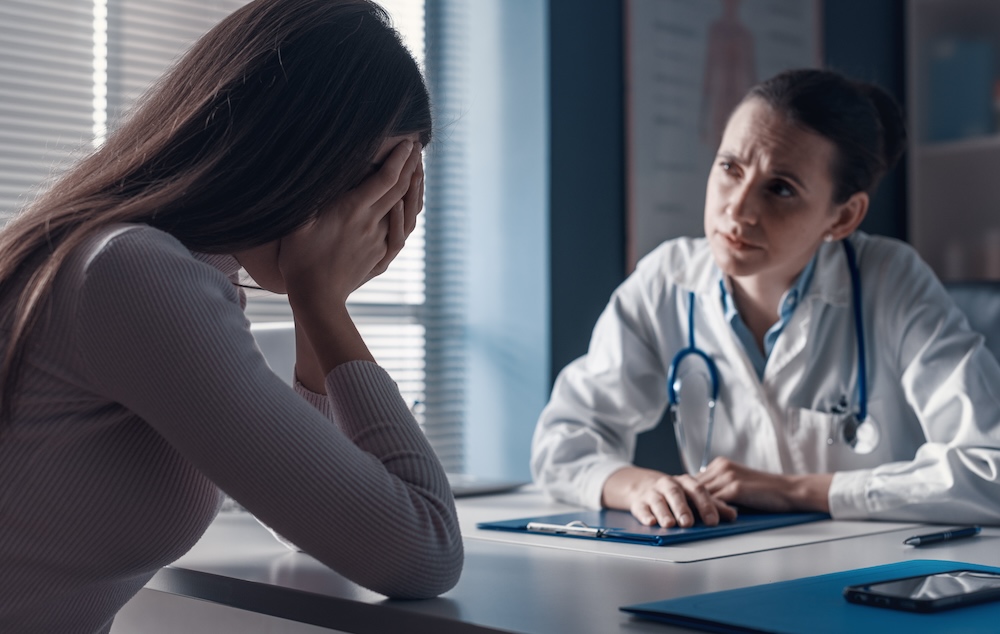
The delivery of difficult medical news requires exceptional communication skills and emotional intelligence. Hybrid simulation in healthcare for these scenarios might involve an SP that portrays a family member while a manikin represents a patient in critical condition. SPs can display authentic emotional responses to bad news, ask difficult questions, and exhibit various levels of emotion. These interactions help learners develop crucial skills in empathetic communication, active listening, and emotional support. The SP might also demonstrate different cultural responses to loss or various stages of grief.
The presence of medical equipment and a manikin adds realism to the clinical environment and allows learners to reference actual medical data and equipment. Learners must interpret and explain complex medical information while they attempt to manage emotional responses and maintain professional composure. For example, a scenario might include multiple family members with different emotional reactions or views about care decisions. This complexity helps prepare learners for real-world family conferences and difficult conversations about end-of-life care.
Language Barrier Scenarios with Interpreters in Healthcare Education
Clinical simulation scenarios that involve language barriers present unique challenges that hybrid simulation can effectively address. These scenarios utilize an SP as a non-English speaking patient, another SP as an interpreter (or an actual interpreter), and various task trainers for medical procedures.
The SP that portrays the patient can demonstrate cultural nuances, non-verbal communication, and authentic responses to medical questions through the interpreter. This setup allows learners to practice the proper use of medical interpreters and still maintain patient-centered care. The scenario can also include cultural beliefs that impact healthcare decisions or treatment preferences. Task trainers or manikins can supplement this type of scenario through the allowance of physical examinations or procedures and create a more comprehensive care experience.
Considerations for Implementation of Hybrid Simulation in Healthcare
The successful implementation of hybrid simulation requires careful attention to several factors. For example, hybrid simulations need adequate space to accommodate both human participants and healthcare simulation equipment. Centers must consider room layout, privacy requirements, and equipment placement to create realistic environments. Standardized patients must be thoroughly trained to maintain consistency across multiple scenario runs. A SP must be able to repetitively display specific physical symptoms, emotional responses, and cultural representations. Centers should also consider the toll this can take on a SP and be prepared to debrief and provide a safe space for someone who takes on such roles.
Clinical simulation technicians must coordinate the operation of manikins and equipment with SP performance. Furthermore, clear protocols for time and communication will help maintain scenario flow. Clinical simulation faculty need to be trained to manage hybrid scenarios, which includes brief and debrief techniques that address both technical and interpersonal aspects of care.
Educational Benefits and Outcomes
The combination of human interaction and technical components creates more authentic healthcare scenarios. This increased realism helps bridge the gap between healthcare simulation and actual clinical practice. Hybrid Simulation enables learners to develop technical and interpersonal skills simultaneously, which better prepares them for real-world patient care situations. The complexity of hybrid scenarios also challenges learners to balance multiple priorities. Finally, hybrid simulation enables evaluation of both clinical competence and communication skills within a single scenario. This comprehensive assessment provides valuable feedback for learner development.
This article by Rémy Roe, PhD, and simulation technology specialist at the Stanford University School of Medicine’s Center for Immersive and Simulation-based Learning (CISL) has discussed the application of hybrid simulation in four specific healthcare scenarios. This combination of standardized patients with traditional clinical simulation equipment creates educational experiences that more closely mirror actual clinical encounters. The thoughtful integration of human and technological elements in simulation enables educators to create more effective educational environments.
These hybrid approaches allow learners to develop both the technical proficiency and interpersonal skills necessary for high-quality patient care. As healthcare simulation continues to evolve, hybrid approaches will likely become increasingly important in the preparation of healthcare professionals for the complexities of modern medical practice. The ability to provide realistic, comprehensive learning experiences through hybrid simulation contributes significantly to the development of competent, empathetic healthcare providers. Read more:
How Wearable Simulators Can Improve Clinical Simulation Realism