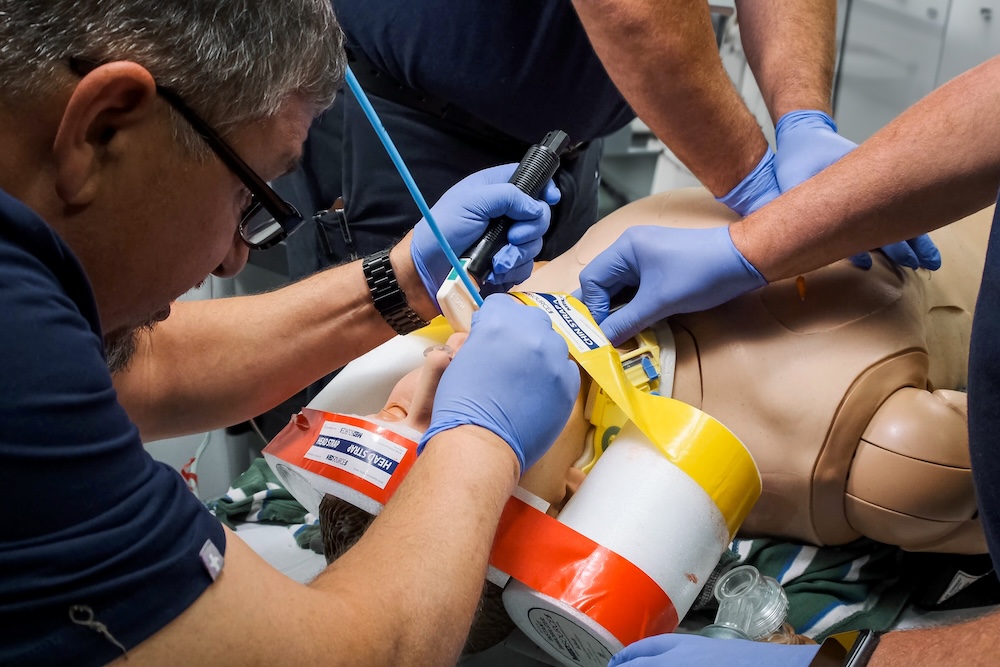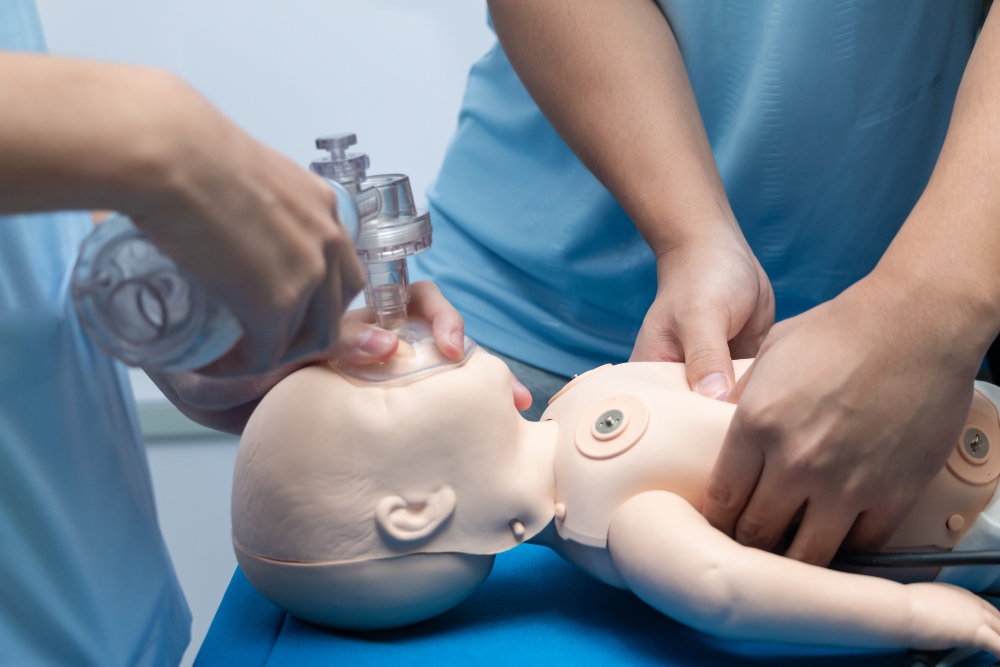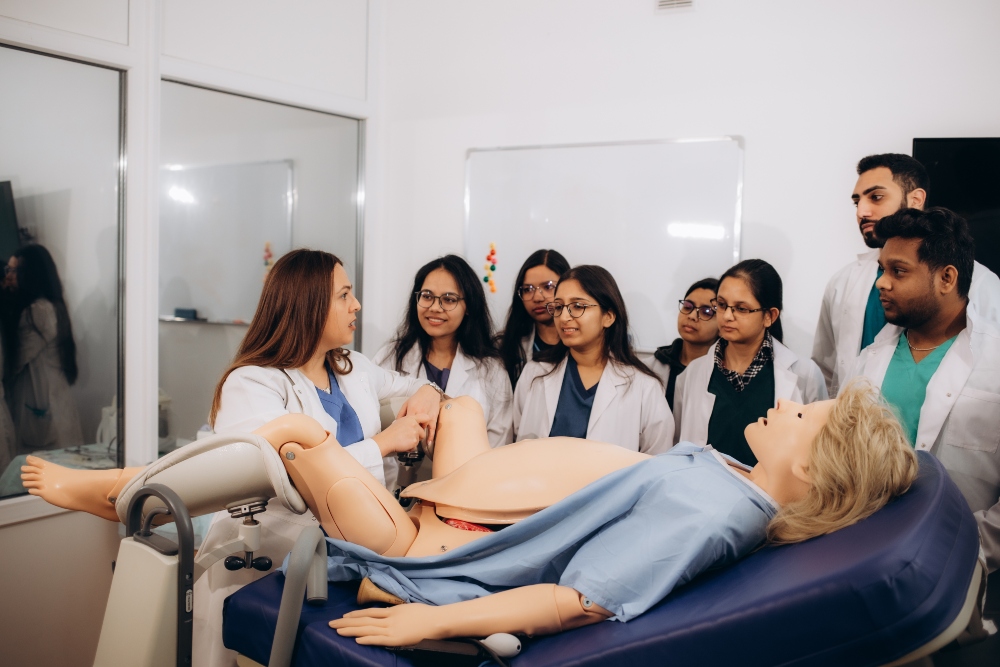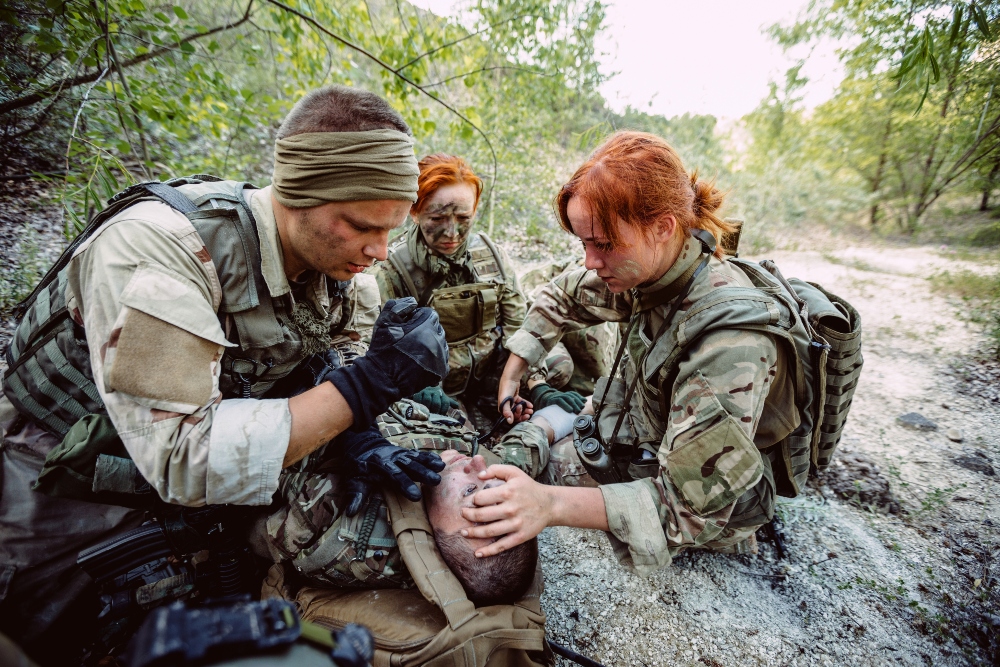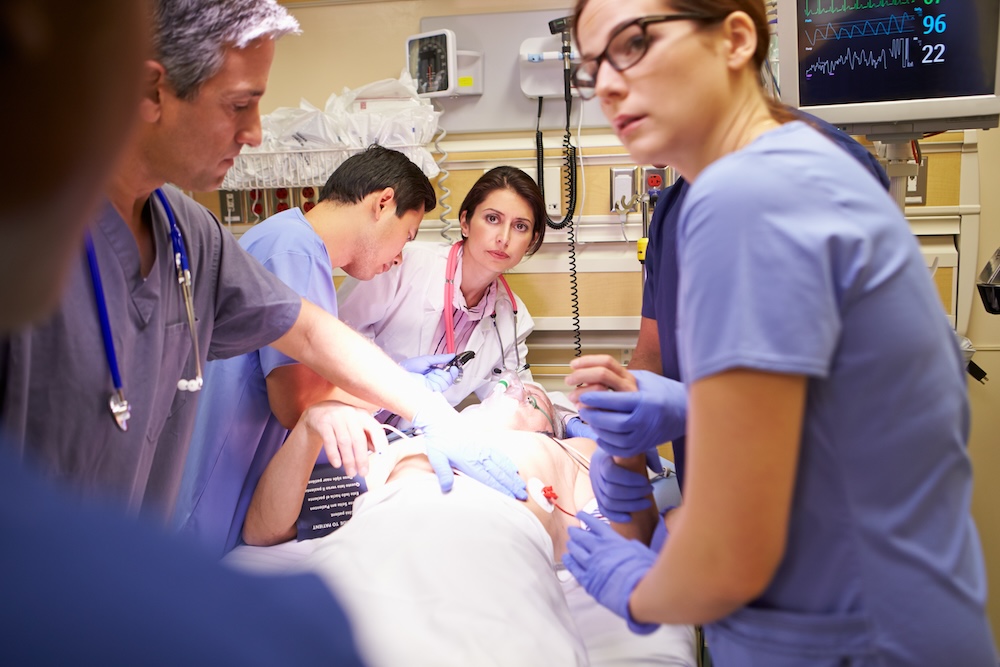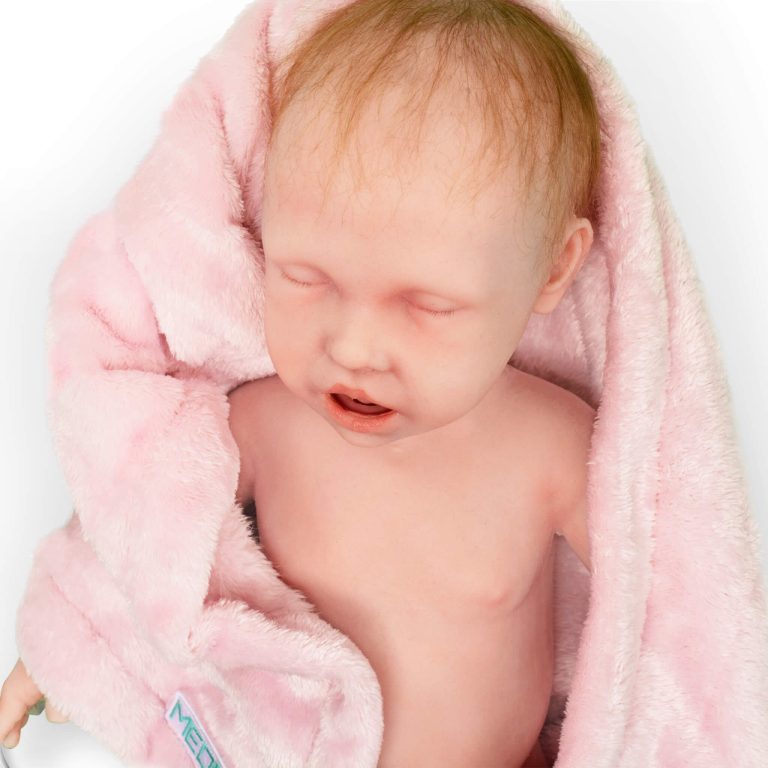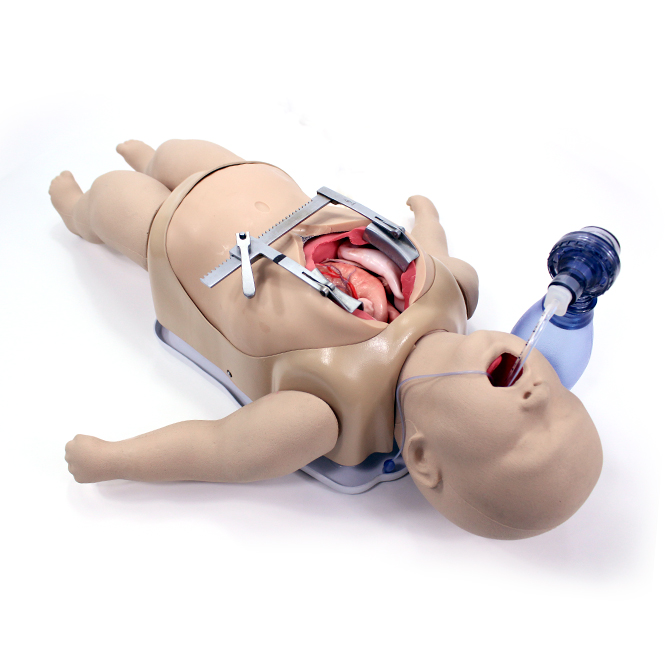

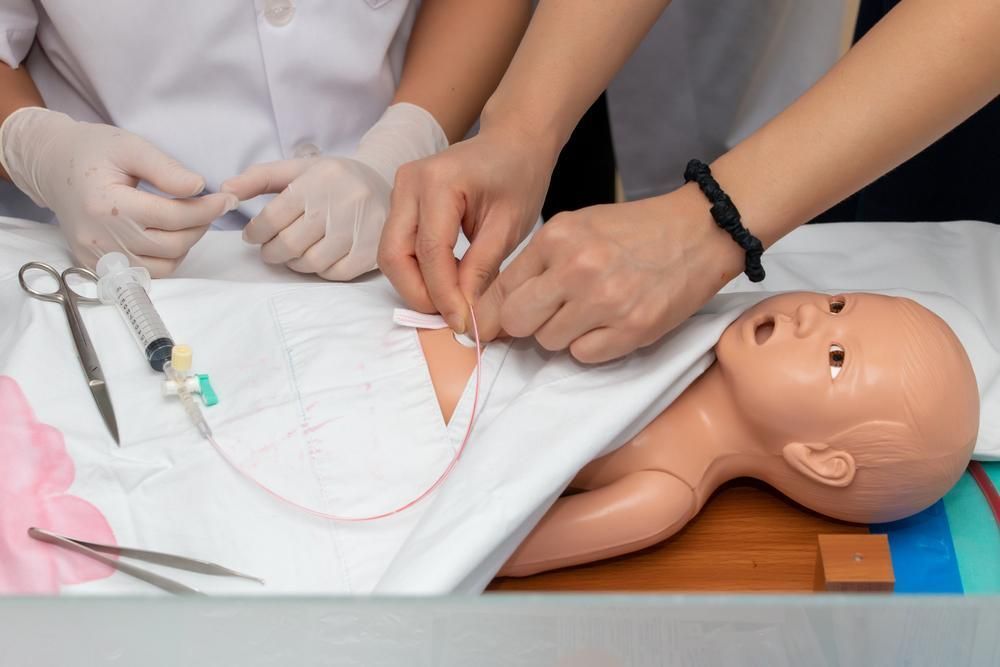
A Nursing Mannequin, or more commonly referred to as a Nursing Manikin, according to the Healthcare Simulation Dictionary, is defined as: A “life-sized human like simulator representing a patient for healthcare simulation and education” (Slone et al., 2023, p 116); Full or partial body representation of a patient for a specific practice or procedure (Marion-Martins & Pinho, 2020); Full or partial body simulators that can have varying levels of physiologic function and fidelity (Seropian et al., 2004). The purpose of a Nursing Mannequin is to provide learners and trainees with the ability to extend their knowledge by experiencing some potential nursing scenarios in nursing simulation training or educational settings, prior to working with real-life patients. Such clinical simulations enable learners to be better prepared for a variety of patient care scenarios they will encounter in their work. This HealthySimulation.com article will discuss the types of nursing manikins currently available to educate nursing in academia and clinical practice.
Nursing Manikin-based Features
Nursing Mannequin-based products and training solutions will typically use high fidelity simulators that are capable of breathing, producing life-like sounds and heart tones, and that will exhibit palpable pulses. Many Nursing Mannequins can also bleed, vomit, yell in pain, and ask questions just like real-life nursing patients.
In addition, Nursing Manikins come with a monitor that is able to display and represent EKG, pulse oximeter, arterial waveforms, pulmonary artery waveforms, anesthetic gases and other healthcare basics. Other interesting elements of a Nursing Mannequin involve the product’s ability to allow for the practice of suctioning secretions from the trachea and administration of oxygen, delivery of electrically shock to the heart to cardiovert, insertion of catheters and nasogastric tubes, IV medication administration, and to practice tracheostomy care and other skills.
Purpose of Nursing Mannequins
The life-like features included with Nursing Mannequin-based healthcare simulations further allow for virtual feedback using computers that regulate the simulator’s compressors. Using Nursing Mannequins allows learners to develop “muscle memory” when performing procedures. The technology gives them the opportunity to make errors, which they can learn before interacting with live patients. To teach the many different skills, procedures, and tasks necessary in the realm of nursing care, a variety of companies have developed Nursing mannequins are all designed with different specialties and functions in mind.
The main purposes of nursing manikins in nursing education include:
- Safe Skill Acquisition: Nursing students can practice fundamental skills, such as catheterization, injections, wound care, and CPR, on manikins without the risk of harm to real patients.
- Realistic Scenario Training: High-fidelity manikins simulate physiological responses (e.g., cyanosis, heart and lung sounds, pupil dilation) to help learners recognize and respond to clinical deterioration, cardiac arrest, sepsis, or postpartum hemorrhage.
- Critical Thinking and Decision-Making: By engaging in immersive, scenario-based simulations, nurses develop problem-solving skills under pressure, improving patient safety and care quality.
- Interprofessional Education: Manikins facilitate team training that involves nurses, doctors, respiratory therapists, and other healthcare providers, thereby enhancing communication, leadership, and teamwork.
- Competency Validation and Remediation: Educators can use manikins to assess clinical competence and provide remediation in specific areas where learners need to improve.
Application of Nursing Manikin
The use of a Nursing Mannequin is to select the appropriate mannequin that is designed specifically to meet the training needs of professionals in home health, hospital, and emergency realms. As various nursing roles come with their own unique demands and responsibilities, nursing simulation companies can tailor their products to meet these demands or establish a nursing mannequin designed for more comprehensive, all-around training.
Nursing Mannequins designed to simulate emergency concepts often teach patient care procedures, which include patient positioning and transfer techniques, intramuscular injection sites, bathing techniques, blood pressure training, urinary catheterisation, NG tube placement, injection, and more. Often extremely lifelike and very durable, Nursing Mannequin products can additionally demonstrate how to open a patient’s airway during CPR, check blood pressure, carotid pulse, and auscultate them.
Other Nursing Mannequins will focus more on skill actions such as bathing, transferring, and skin inspection. In general, they will relay the basic clinical skills, cognitive thinking, and behavioral communication needed to examine patients in a professional healthcare setting. Just like in the case of clinical and emergency simulation training, Nursing Mannequin can improve a learner’s ability to internalize and execute important patient procedures and measures of testing.
The real benefit of advanced technology is that Nursing Mannequins eliminate the sole reliance on in-classroom or textbook instruction. Instead, the simulation tools and their training measures modules allow trainees to tackle learning from a more hands-on approach. Whether a learner is focused on adult-patient nursing care, pediatric care, infant care, geriatric care, hospital training, or obstetrics, practice on a Nursing Mannequin will help ensure they are skilled and ready to assist everyday patients in real-time.
View the HealthySimulation.com Webinar Wrestling Challenges of AACN Essentials with Nursing Simulation to learn more!
Levels of Fidelity in Nursing Manikins
Manikins vary in complexity, interactivity, and purpose. Below are common types used in nursing education:
- Low-Fidelity Manikins: These static models are ideal for practicing basic procedures, such as injections, IV starts, or wound dressing. They may include task trainers (e.g., arms for IV insertion, torsos for CPR), or basic full-body manikins for non-interactive procedural practice.
- Medium-Fidelity Manikins: These offer limited interactivity, such as basic physiological sounds (e.g., heart, breath, bowel), simple airway management, or pre-programmed clinical scenarios.
- High-Fidelity Manikins (HFM): These advanced simulators can display vital signs via monitors, respond to medications and interventions, simulate conditions like seizures, arrhythmias, or childbirth, and speak and interact with learners via a facilitator using voice modulation.
Examples of Nursing Mannequins
Laerdal is one of the vendors that createsNursing Mannequins. Nursing Anne simulators is one of the manikins created by Laerdal. Laerdal offers a variety of healthcare simulation manikins, each designed to meet specific clinical nursing educational needs.
- Nursing Anne Simulator: Designed specifically for nursing education, with features like wound care, ostomy care, and airway management.
- SimMan 3G PLUS: A high-fidelity patient simulator with wireless capabilities, used for complex scenarios.
- SimBaby & SimNewB: Pediatric and neonatal manikins co-developed with the American Academy of Pediatrics.
- MamaNatalie: For maternal care and birthing simulation.
Elevate Healthcare offers a variety of Nursing Mannequins. Elevate Healthcare integrates aviation-style simulation expertise into healthcare simulation.
- Juno: A mid- to high-fidelity manikin designed for nursing programs; offers physiological responses and realistic skin feel.
- Lucina: An advanced maternal simulator that delivers a range of obstetric emergencies and normal labor and delivery.
- Apollo: A high-fidelity adult manikin for emergency and ICU scenarios.
- Luna: A fully wireless, tetherless simulator that enables realistic neonatal care training,
Gaumard Scientific offers nursing manikins with pediatric and adult models.
- Susie/Simon Patient Care Simulators: Pediatric/adult nursing care models.
- Victoria and Noelle**:** Birthing simulators for maternal care teams
Nasco Healthcare and Simulaids focus on durable, functional models primarily for EMS and nursing skills training.
- STAT Baby and STAT Man: Full-body simulators for trauma and critical care scenarios.
- GERI and KERi Nursing Manikins: Designed for geriatric and general patient care practice.
- Code Blue series: Focuses on CPR and emergency interventions.
Considerations for the Selection of a Nursing Manikin
When selecting a manikin for your nursing program, consider:
- Learning objectives: Match fidelity level to the complexity of your goals.
- Curriculum integration: Ensure compatibility with your learning management system (LMS) and simulation software.
- Technical support: Choose vendors with strong customer service and educator training.
- Budget: While high-fidelity simulators offer more functionality, task trainers and hybrid methods may offer better ROI for skills training.
- Durability and maintenance: Especially important for programs with high learner throughput.
The use of these Nursing Mannequins enables learners to practice administering a variety of lifesaving procedures in a safe educational environment before being asked to do so on real patients. As technology continues to advance and more companies begin developing Nursing Mannequins for education and research, the practice of medical profession can expect to become better prepared with well-equipped and educated staff members. This is no secret to colleges, universities, and secondary schools, which have also begun implementing Nursing Mannequins across their curricula.
Find Your Next Nursing Mannequin in the Healthcare Simulation Vendor Directory!