
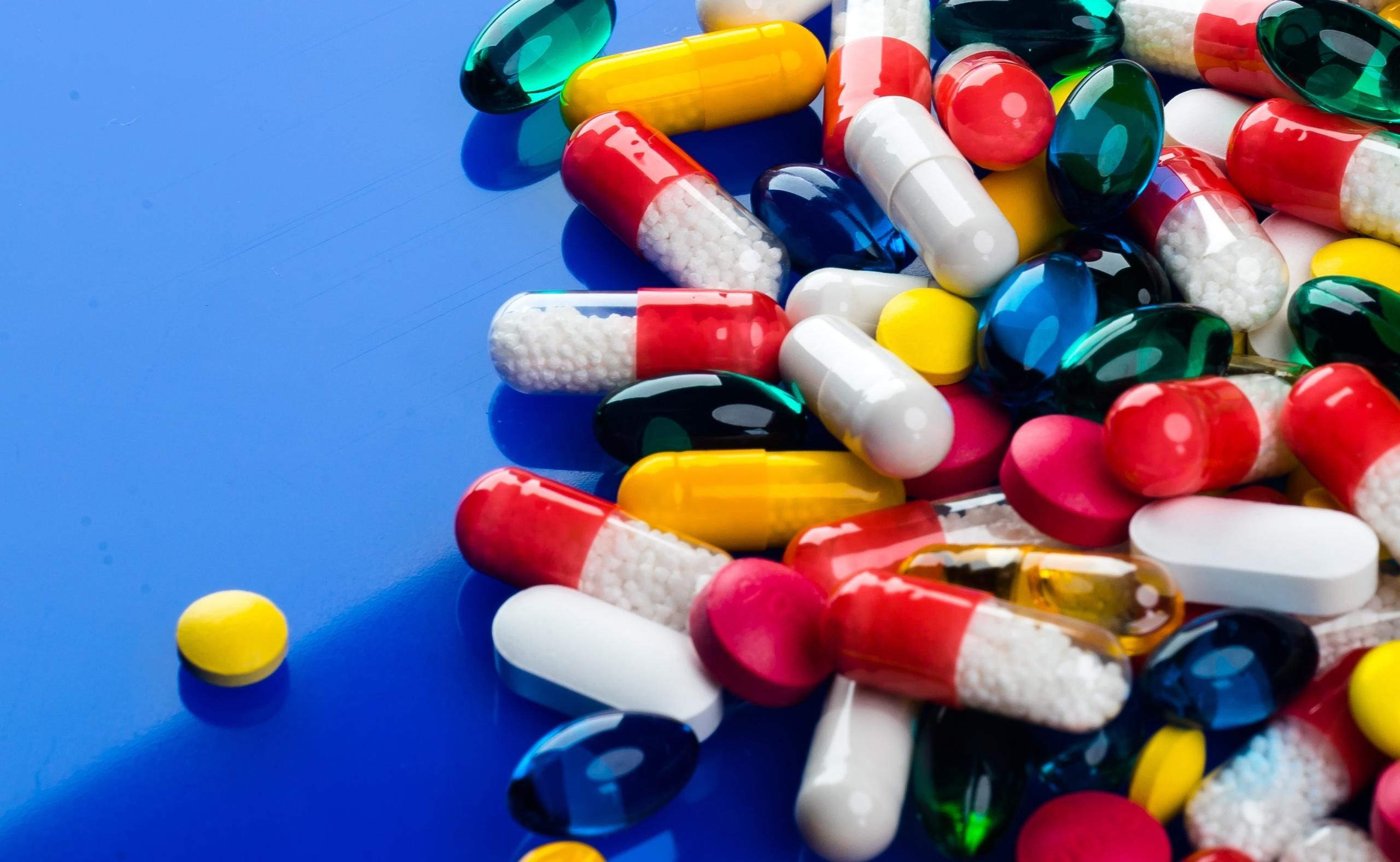
Simulated Medications are practice meds designed to provide realistic clinical simulation practice. Using and interacting with simulated medications helps to prepare learners for what they may encounter in real patient scenarios. This includes the ability to decipher and understand the packaging and labeling elements of pharmaceuticals and alternative medications. Healthcare Simulation, aka Medical Simulation, allows healthcare students and working professionals to educate and train in safe environments without risking medical error and patient safety issues. This HealthySimulation.com article will explore the use of simulated medications and highlight some companies that offer simulated medications to healthcare simulation programs.
Increasing readiness to practice in the field, Simulated Medications prepare learners during healthcare simulations for the actual packaging and labeling of real ampules, patches, oral medications, vials, and more. Additionally, Simulated Medications can come in a variety of forms to help provide instruction on position-specific treatments.
For example, first responders, including those in EMS, EMT, and Fire services, will rely on an assortment of Simulated Medications and kits to replace actual products in learning environments. These practice meds are developed so that learners can practice dosing and administration techniques to build core skills and reduce medication errors.
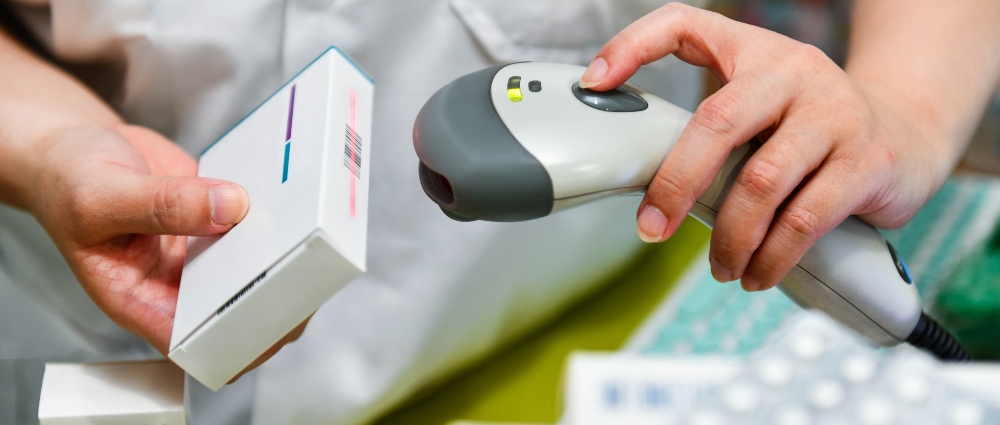
In nursing education settings, Simulated Medication products are then used for training providers and Nurse Practitioners on how to resolve cardiac arrest, airway obstruction and other life-threatening medical emergencies. Their use has been shown to be an effective measure of hands-on training using real-life dosing and administration scenarios. These mock code medications are often used in conjunction with a simulated medication administration system like the Pyxis (available from Medical Shipment), the Nexsys from CAPSA, MedDispense from Pocket Nurse, 3AM Technologies, or from Sim2Grow.
View the HealthySimulation.com Webinar How to Increase Nursing Simulation Patient Safety Realism with Medication Administration to learn more!
In terms of pharmacy compounding, formulations can be used to represent a drug product’s physical characteristics and prescribing information. This provides learners with the pharmaceutical experience needed to create accurate and realistic placebo medications. These experiences are simulated to enhance curricula and further develop skills in dosing and administration during hands-on simulation scenarios.
Adding to the learning benefits these simulations present, instructors can easily moderate the simulated component per American Society of Health-System Pharmacists standards. This helps combine realistically simulated learning scenarios with actual pharmacy practice.
Ultimately, a major benefit of integrating Simulated Medication technology into learning environments is that the tools help deter medical errors in practice. Although certain adverse events of medication are unavoidable, many are also preventable. Simulation presents an interesting and ethical way to learn from medical errors without involving patients and to correct their errors before treating live patients directly.
Affirming this notion, the article “Human‐simulation‐based learning to prevent medication error: A systematic review” explains that, ‘Simulation programs need an extremely rigorous framework to maintain confidence and improve decision‐making and nontechnical professional skills. Participant management, scenario design, and briefing and debriefing sessions require careful attention. The results reported in the literature suggest that learning by simulation is an additional support in educational programs for healthcare professionals involved in risk management.”
View the new HealthySimulation.com Community Simulation Technology Specialists Group to discuss this topic with your Global Healthcare Simulation peers!
Simulated Medication Manufacturer Examples
Pocket Nurse, a company headquartered in Monaca, Pa., carries over 5,600 Simulated Medication products. These Pocket Nurse brand products include the Demo Dose Simulated Medications which are designed specifically to help reduce medical errors and improve patient outcomes.The goal of the company is to improve educational experiences and outcomes by providing simulation and medical supply solutions.
In achieving this goal, the Demo Dose Simulated Medications serve as an indispensable tool for teaching medication management. For reference, the Demo Dose Memantin pill bottle teaches proper administration of the cognition-enhancing medication, which is used to treat moderate to severe dementia associated with Alzheimer’s disease.
Demo Dose Combivnt Aersol Inhaler is used to teach how to provide relief in patients with chronic obstructive pulmonary disease (COPD), who are currently utilizing a regular aerosol bronchodilator but are still experiencing exacerbations or bronchospasms. Other medications which Pocket Nurse simulates include Narcan, Zostavx, Metronidazol/Flagl, Furosemid Lasx, Amiodaron Cordaron, Glucagn, Insulin and more.
DiaMedical USA, headquartered in West Bloomfield, Michigan but now also owned by Pocket Nurse, carries a line of practi-meds to provide realistic clinical simulation practice to increase learner readiness. The products DiaMedical USA offers include drops, sprays, ointments, IV therapy, oral medications, practi amuples, practi-med bundles, respiratory medications, transdermal patches and vials. Peel and stick labels are also available for purchase to provide clarity in utilizing the differing simulated medications.
Providing innovative solutions to classroom needs, Atlanta-based company Nasco Healthcare sells these types of scenario-building Simulated Medication solutions. Including variations of the Demo Dose, a chemotherapy pharmacy kit, chemo spill kit, chemo sterile powder-free nitrile gloves, fluid supply bags and more, Nasco aims to continuously offer the newest products on the market. The company provides the ability to filter Simulated Medication tools by features such as price, assembly required, dishwasher safety, non-toxicity, mobility, warranty, being PFOA/Phthalate-free, etc.
For over 40 years the company Wallcur has been providing educational training and simulation solutions in nursing, medical assistance, pharmacy, EMT, the medical corps and other allied health programs as well. In terms of clinical training, Wallcur’s Practi-Oral Med Pack is an available simulation aid that helps to teach standard oral medication techniques, administration and practice.
The Practi-Oral Med Pack contains 20 boxes (each box contains 48 Practi-Meds) of different simulated Practi-Meds. A variety of capsules and tablets in various shapes and sizes come in blister packs to closely match institutions nationwide. Each pack contains practice meds like Practi-Atorvastatin, Practi-Benazepril, Practi-Bupropion, Practi-Cephalexin, Practi-Diazepam, Practi-Digoxin, Practi-Diltiazem, Practi-Dipyridamole, Practi-Docusate, Practi-Furosemide. Practi-Lorazepam, Practi-Metformin, Practi-Multivitamin, Practi-Nabumetone, Practi-Prilo, Practi-Oxycodone and Acetaminophen, Practi-Potassium Chloride, Practi-Prednisone, Practi-Temazepam and Practi-Warfarin.
Find the best simulated medications for your clinical simulation program in the HealthySimulation.com healthcare simulation vendor directory!
A Push For Safety With Simulated Meds
To make sure healthcare providers know the medications are simulated, the importance of printing labels has become stressed across healthcare systems. This comes after reports by the Food and Drug Administration (FDA) in 2014 that simulated IV fluids not intended for human use have sickened at least 17 patients across the U.S., according to the nonprofit consumer advocacy organization Public Citizen.
Pushing for increased safety measures, the Foundation for Healthcare Simulation Safety has since presented accidents and “near misses” from healthcare simulation that have gained national attention. For example, included in the organization’s Simulation Safety Pledge is a line that reads, “The Simulation Safety Pledge: We will label all equipment, supplies, and medications with the official logo label denoting the item is Not for Human Use – Education Only.”
The organization attempts to use the collective wisdom of the field to present best practices and mitigation strategies to help the simulation community reduce the potential for harm. The goal of the foundation is to decrease the chance of a simulation-related injury occurring while promoting education and safe practices for healthcare simulation programs.
Learn More About the Importance of Realism for Clinical Simulation