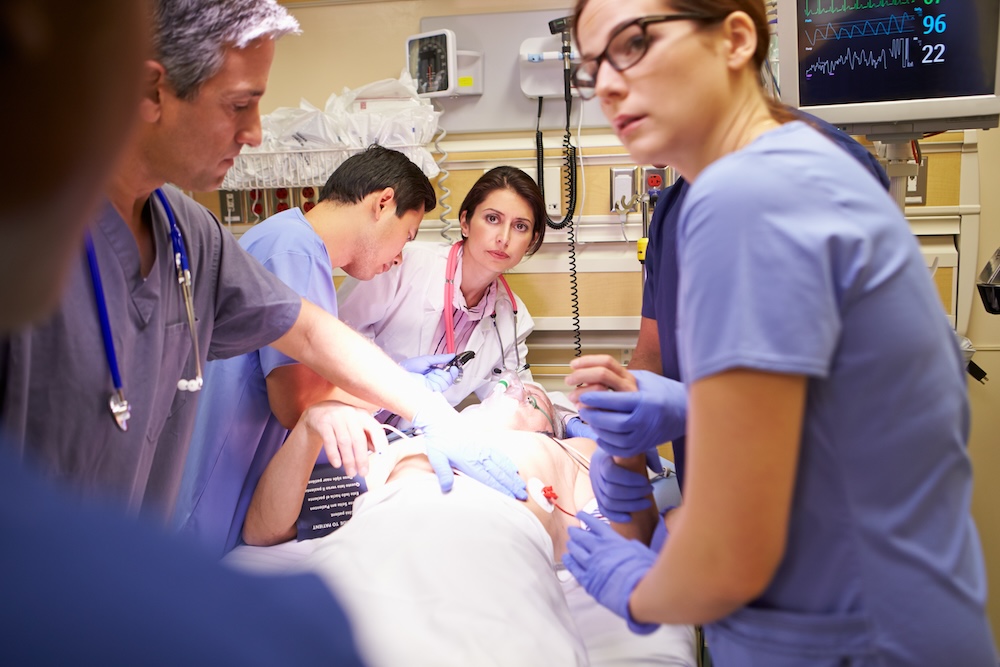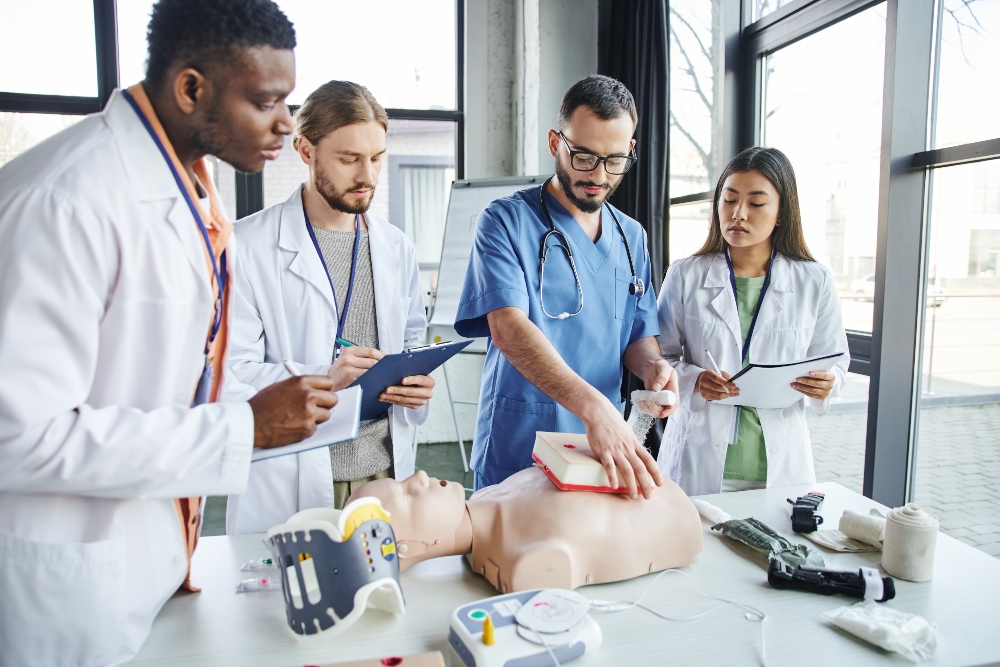


The journey to become a competent healthcare professional demands more than just textbook knowledge and technical proficiency. Proficient, high-quality healthcare delivery requires the delicate, human-centered skill of communication, empathy, and professional conduct. In a world striving for high-quality, human-centered care, simulation training has become indispensable. At the heart of this training, particularly for non-technical skills, lies the Simulated Patient (SP) also known as a Standardized Patient. This HealthySimulation.com article by Dr. Mario Arturo Luna Lamas will explore the art and science of standardized patients in healthcare simulation training to maximize outcomes and create quality healthcare providers.
Purpose and Role of SPs in an SP Program
SPs are individuals meticulously trained to consistently portray a patient’s history, physical findings, and emotional state. They are not merely actors reciting lines; they are sophisticated educational tools designed to provide a reliable and safe environment for learners to practice complex interpersonal skills. This article explores the critical steps necessary from initial planning and rigorous training to post-encounter debriefing to effectively leverage SPs as powerful assets in medical and health education, ensuring a maximum return on educational investment.
The foundation of an SP program is to scaffold the different aspects of collaboration with SPs and healthcare learners. A successful SP program is built on careful planning and rigorous standardization. The fidelity of the encounter is only as strong as the preparation of the person portraying the role.
The recruitment of the right individuals is paramount. An ideal SP must be reliable, adaptable, and emotionally available to sustain the portrayal through multiple student encounters without fatigue or variance. They must possess excellent listening skills and be comfortable receiving and giving feedback. The training focuses heavily on case fidelity: the SP must not only recite the patient’s clinical history but authentically embody their persona, including subtle non-verbal cues, emotional responses, and the nuances of a physical exam, if applicable. This high fidelity forces the student to manage the full complexity of a patient encounter, not just a procedural checklist.
View the HealthySimulation.com Webinar Reflective Healthcare Simulation Feedback Techniques for Standardized Patients to learn more!
Rigorous Training and Standardization
The “Standardized” aspect is the key to fair and consistent evaluation. Every SP must receive comprehensive training on the specific case, ensuring they respond identically to the same student actions or inquiries, regardless of the learner. This standardization ensures that every student is assessed against the same criteria, which is crucial for high-stakes evaluations (e.g., Objective Structured Clinical Examinations (OSCEs). Training of the SP should include sessions on:
- Understand the specific case’s learning objectives.
- Master the specific pain scales, emotional displays, or physical manifestations required.
- Protocols to remain in character and manage challenging student behaviors.
The Use of Checklists and Rubrics to Enhance Learning
SPs serve a dual role: portraying the patient and acting as a trained evaluator. They use structured assessment instruments (checklists and scoring rubrics) that immediately follow the encounter to provide objective data on student performance. These instruments go beyond clinical steps that heavily focus on criteria related to:
- Communication clarity and use of plain language
- Empathy and rapport-building
- Professionalism and time management
Once training is complete, the encounter itself must be executed to maximize learning. This requires the creation of a focused, safe, and realistic environment. The role of the SP is to enhance medical training, not hinder or interfere. This requires structure to enhance the learning experience.
Set the Stage: The SP as a Mirror
Educators must establish clear boundaries and expectations for the learners. Students must understand that the environment is safe to make mistakes; a practice ground, not a definitive judgment. Critical elements for execution include:
- A realistic clinical setting (exam room, consultation office)
- Clear time limits are communicated both to the student and the SP
- Minimize the interruptions to maintain immersion
- The SP’s commitment to stay “in character” to create a powerful scenario that forces students to suspend disbelief and apply their full range of skills
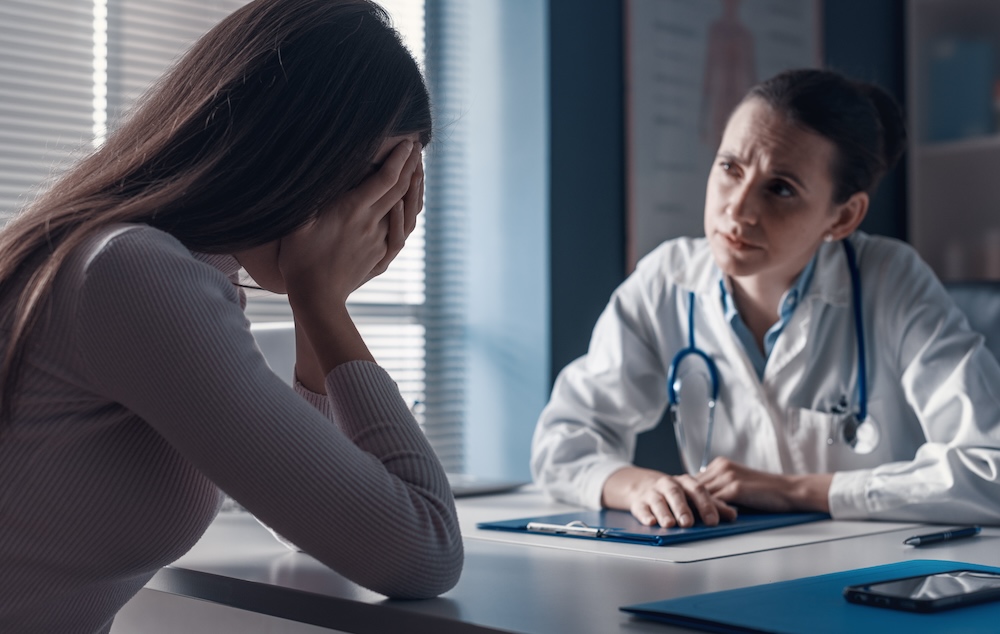
The SP interaction is particularly powerful for tackling communication challenges. Students are required to navigate difficult situations that cannot be simulated with manikins alone. Cultural sensitivities that affect care decisions must be addressed. The learner must demonstrate not only clinical reasoning but also emotional intelligence. The SP acts as a mirror, which reflects the effectiveness of the student’s bedside manner and interpersonal approach back to them in a tangible, real-time way. Some of these incidents include:
- The delivery of emotionally charged information (e.g., bad news or a difficult diagnosis)
- How to manage an angry, fearful, or non-compliant patient
The Power of Debriefing: SPs as Reflective Partners
True learning from a clinical simulation often occurs after the encounter, during the debriefing phase. The SP is arguably the most valuable voice in this crucial discussion. The SPs can engage in debriefing as a reflective partner with the healthcare learners.
The most impactful intervention an SP can provide is immediate feedback upon breaking character. This is often referred to as “the golden minute.” The SP shares their genuine experience from the patient’s perspective: “I felt rushed when you asked about my pain,” or “I felt you truly listened when you paused after I cried.” This perspective is invaluable because it is subjective, authentic, and directly targets the student’s interpersonal skills. This form of feedback is difficult for a faculty member or peer to replicate.
View the new HealthySimulation.com Community Standardized Patient / Simulated Patient Group to discuss this topic with your Global Healthcare Simulation peers!
Integration of SP Feedback into the Formal Debriefing
The educator’s role is to integrate the SP’s subjective, emotional feedback with the objective data recorded via the checklist. During the formal debriefing, the facilitator encourages the student’s self-reflection, often using video playback of the encounter. The discussion synthesizes three crucial data points:
- Student Self-Assessment: What the student felt and thought they did.
- SP Feedback: The patient’s experience (bedside manner and communication impact).
Objective performance against clinical and communication benchmarks. This triangulation creates a holistic picture of performance to ensure the student focuses on both technical accuracy and compassionate delivery.
Look Ahead at SP Utilization in Clinical Simulation
Simulated Patients remain the gold standard for training competence in the non-technical domains of healthcare. The investment in robust recruitment, detailed training, and effective debriefing protocols transforms SPs from mere role-players into integral, highly effective educators.
As simulation continues to evolve, we see the increasing integration of SPs with high-fidelity manikins in hybrid simulation, bridging the gap between technical, hands-on skills and critical communication abilities. The emphasis on the SP’s role as both a realistic portrayal and a trained evaluator ensures that future healthcare professionals are trained not only for clinical excellence but also for empathetic, compassionate, and human-centered care.