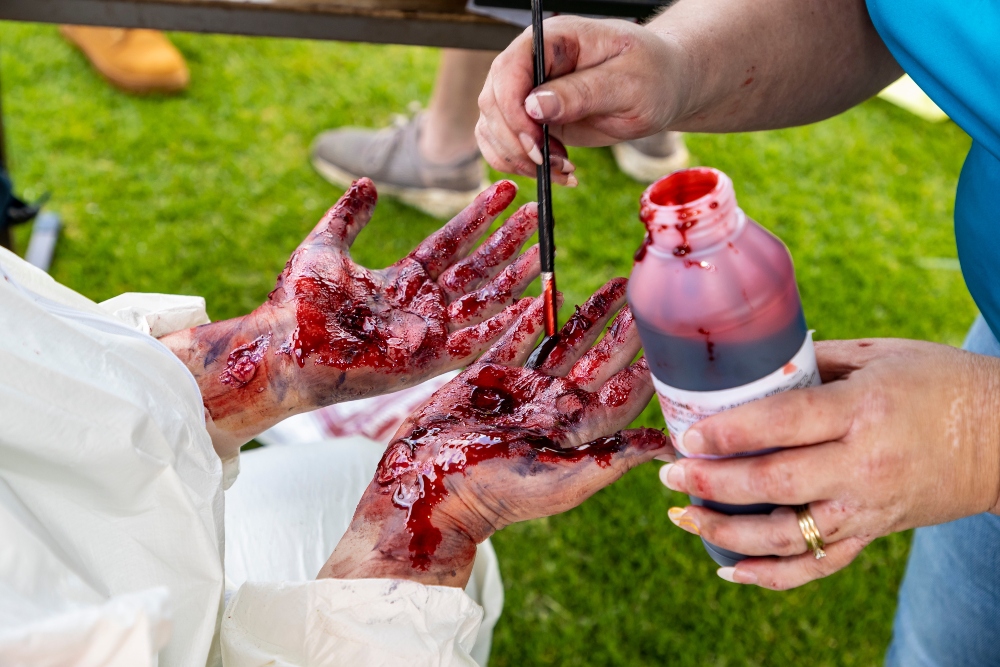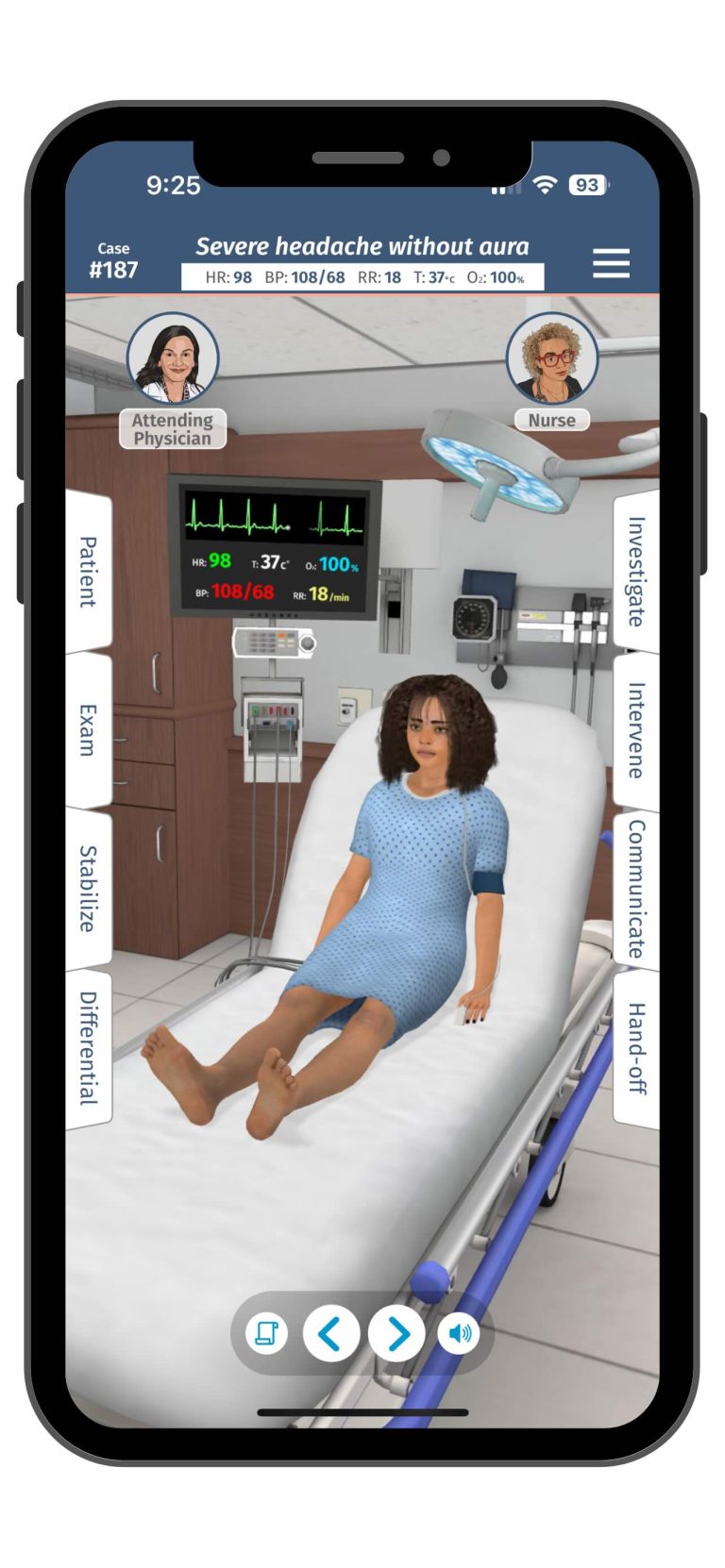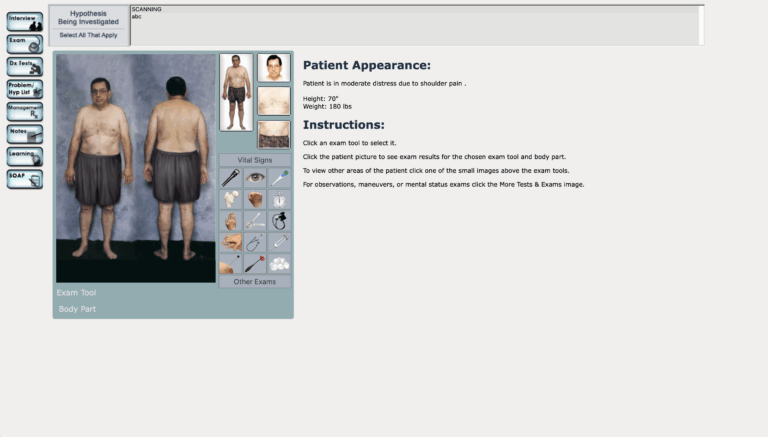

Halloween has a special way of energizing medical simulation enthusiasts. Perhaps it’s the cool air, colorful leaves, or the spooky atmosphere. Beyond boos, bandages, costumes and candy, this season merges two passions: moulage and twisted imagination. This healthsimulation.com article by Content Coordinator Carrie Gigray, MSHS, CHSE, CHSOS, NRP shares the fun and foundations of simulation realism with moulage.
The Art and Science of Moulage in Healthcare Simulation
Healthcare simulation relies heavily on the ability to suspend disbelief, immersing learners in scenarios which prompt genuine reactions. One of the most effective ways to enhance realism is through moulage, which consists of applying lifelike mock injuries and symptoms to manikins or simulated patients. When done well, moulage bridges the gap between didactic learning and visceral, emotionally engaging clinical experiences. Striking the right balance between medical precision and artistry is no small feat and requires training and practice.
The purpose of moulage is not merely theatrical; it is knowing when less is more, where the visual and sensory cues are just enough. The balance where art meets intent is vital to the success of the scenario. The first step in alignment is to anchor all moulage to the learning objectives. Ask reflective questions, such as What cue should this visual trigger? or Does this moulage help the learner identify the condition, prioritize care, or make a decision? and If this was removed, would the scenario still work? If you cannot align each moulage element with the learning objective, you should simplify or remove it. Each visual or tactile cue should nudge the learner toward the mapped learning objective.
Learners will already have high cognitive and emotional loads during the scenario. Exaggerated or grotesque injuries can create sensory overload and distract learners from critical thinking. Adjust the complexity to the learner’s level while matching the moulage to the clinical narrative so everything makes sense. Entry-level learners may need a simple visualization cue, such as a bruise or minor wound, to focus recognition, whereas an interprofessional team scenario might include multi-sensory moulage such as alarms from monitors and blood on the ground, that mimics real stress environments.
Clinical accuracy comes from both pathophysiology and palette, giving learners what an injury looks like, not from guessing. The moulage artist should use reference images, verified clinical photos, and collaborate with subject matter experts. Implement moulage in the piloted course scenario to verify the accuracy and necessity. Avoid moulage techniques that do not match medical plausibility, such as neon red blood spurting from a low-pressure vessel or a ghostly white face to replicate paleness due to shock. The goal of moulage is to maintain the scene’s realism and educational validity.
View the new HealthySimulation.com Community Moulage Group to discuss this topic with your Global Healthcare Simulation peers!
Application of Moulage Best Practices
Once the Simulationist has mapped the necessary moulage to the educational objectives, selecting the appropriate materials is essential. Using hypoallergenic, non-toxic products such as silicones, gelatin, and approved adhesives ensures participant safety, especially if utilizing a simulated/standardized patient. Although food products have long been a creative and inexpensive approach to moulage in healthcare simulation, concerns remain about safety and sustainability.
Safety and infection control remain paramount throughout the moulage process. All substances, food or not, should be clearly labeled and stored properly according to the manufacturer’s guidelines. Safety starts with policy and procedures. Records of standardized patient skin test results and allergies, along with moulage recipes and photos, will ensure safety and consistency across clinical simulation events and sessions.
Products should be patch-tested whenever they come into contact with the skin, whether on a manikin or a person. Avoid latex whenever possible, and adhere to infection control guidelines. All chemicals should be handled in a well-ventilated area with appropriate personal protective equipment in place. Policies should include emergency procedures for allergic reactions and material hazards.
One of the most common mistakes or overlooked risks taken by the moulage artist is cross-contamination during application. There is high potential for transferring bacteria, viruses, and allergens when strict hygiene measures are not followed. Shared makeup palettes, sponges, brushes, and adhesive applicators can easily become a reservoir for your next Halloween nightmare, especially when used repeatedly without adequate disinfection.
To prevent cross-contamination, use single-use applicators, disposable gloves, and individual makeup palettes or containers. Liquids and creams should never be double-dipped (stick in the makeup, then on the patient, then back in the makeup). Water or alcohol-activated paints with pre-created wounds from clear film dressing, transferable tattoo paper, and silicone are among the best alternatives.
View the HealthySimulation.com Article About Moulage: Resources, Kits, Recipes, Vendors and More to learn more!
How to Get Started with Moulage
To get your own haunted hospital up and running, the supplies need to be gathered, and experiments ensue. Moulage supplies can be found in a variety of places, including costume or Halloween stores, special effects & theatrical shops, and moulage-specific vendors. Each vendor provides a variety of supplies, from mass-casualty event toolkits for multiple patients to individual makeup compacts. One of the best times to get your hands on affordable moulage supplies is the day after Halloween, as many stores offer significant discounts. A basic beginner’s kit for moulage should include a makeup color wheel with red, white, blue, and yellow, skin tones (light, medium, dark), disposable applicators, and simulated blood.
Moulage educational courses and workshops provide foundational concepts and techniques for the Simulationist. Throughout the year, several conferences, including IMSH, SimGHOSTS, and SIMOPS, hold moulage courses. HealthySimulation.com also showcases some of the best resources for moulage in medical simulation. Check out these courses and webinars:
- TraumaSIM’s Introduction to Moulage Course & Optional Kit
- How Moulage Sciences & Training Can Add Realism to Your Medical Simulation Program
- Ouch! An Introduction on How to Create Realistic Trauma Moulage
- Moulage Realism: Telling Patient Stories That Look, Feel, and Smell Like the Real Thing!
- Maximizing High Fidelity Trauma Simulators in Mass Casualty (MASCAL) Exercises
Once the healthcare simulationist has completed moulage training, it is time to unleash the inner mad scientist in the most educational appropriate way as possible. Start small by experimenting with color layering, texture, and blending for small wounds or bruising. Halloween is the perfect excuse to practice the craft of moulage, since no one bats an eye when it comes to walking around with fake wounds and blood or decorating the simulation lab as a haunted trauma bay. Whether creating a ghastly laceration or a realistic chemical burn, moulage magic is only limited by imagination.
Examples of Moulage Wounds
To get those creative juices flowing, here are some examples of moulage on both simulated patients and manikins.
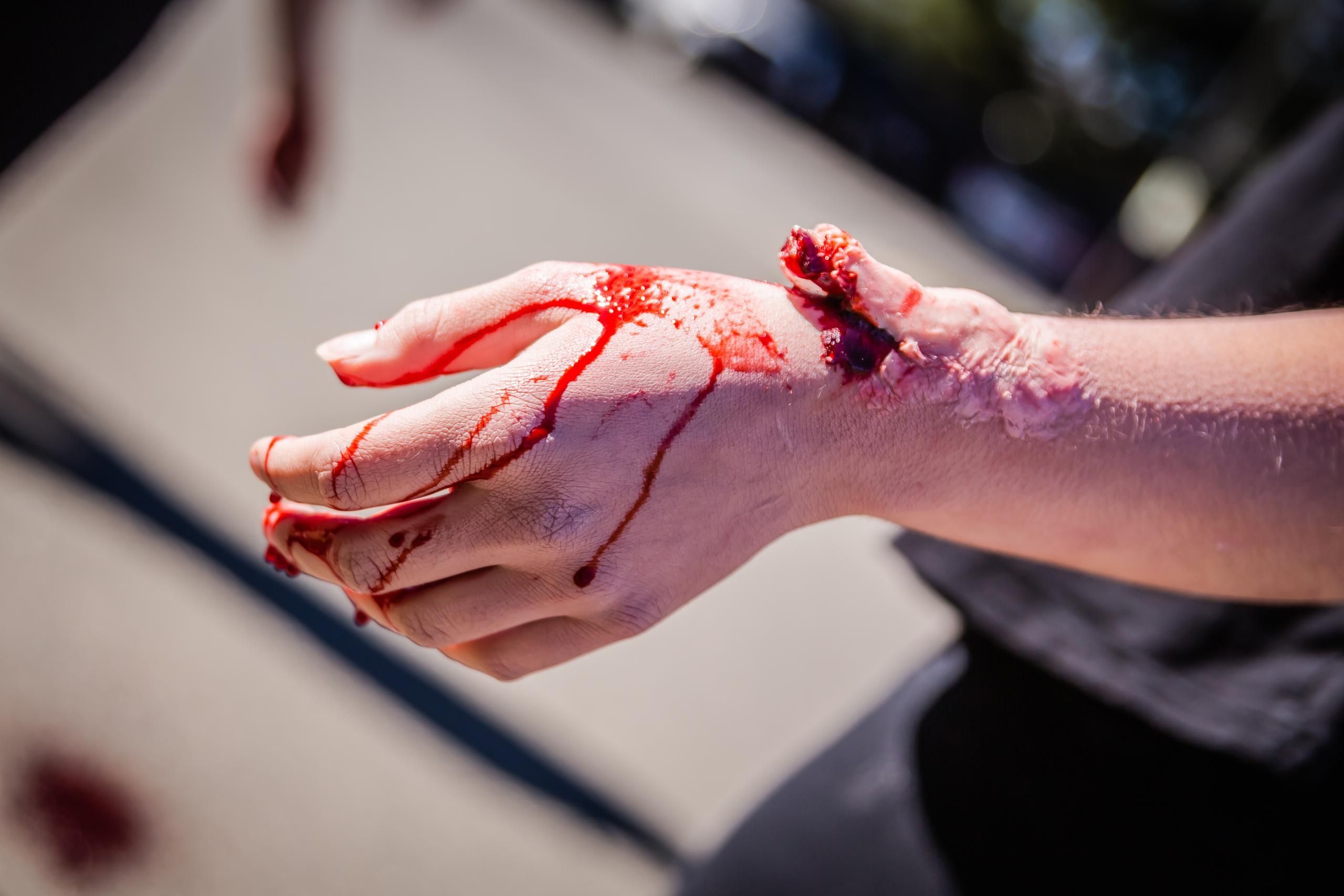
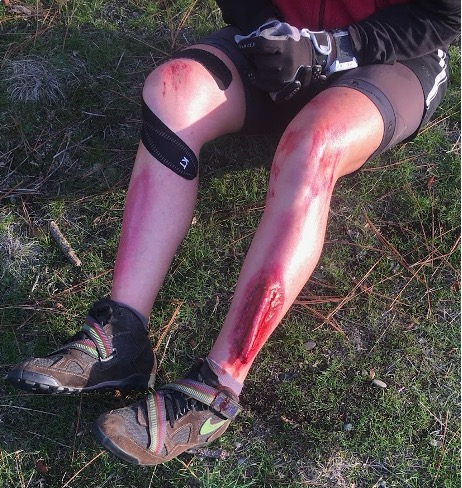
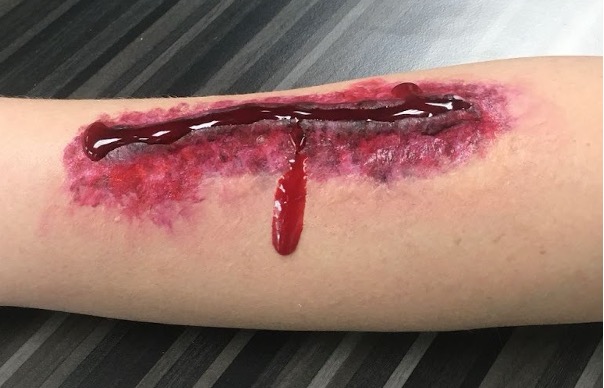
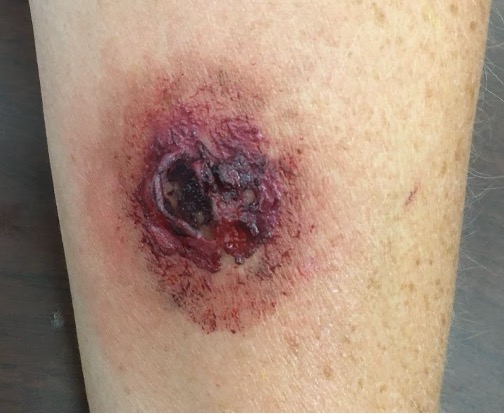
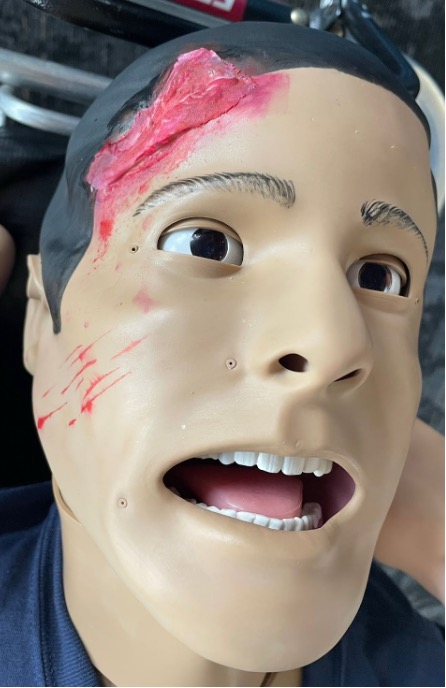
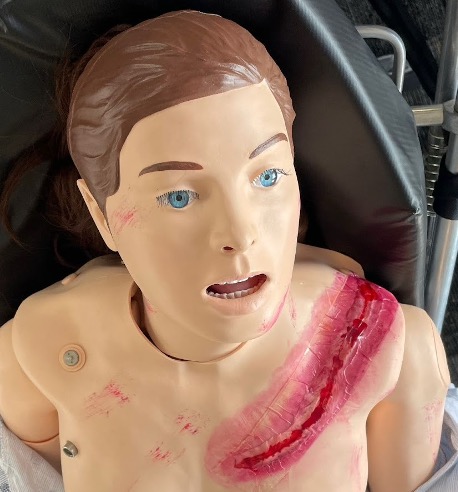
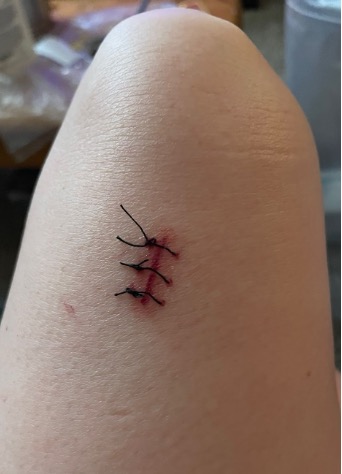
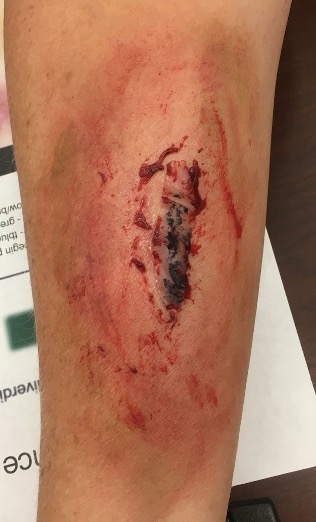
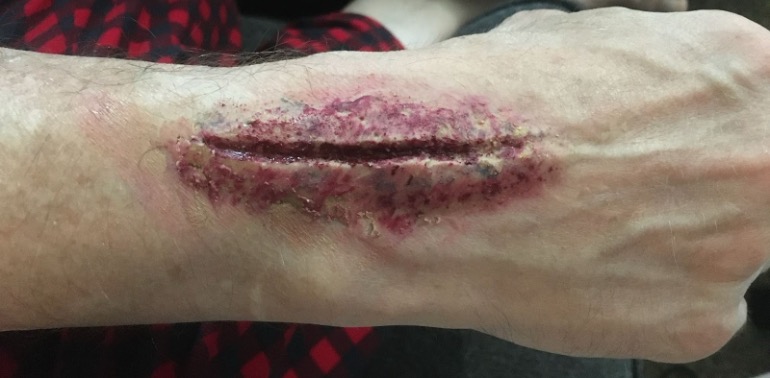
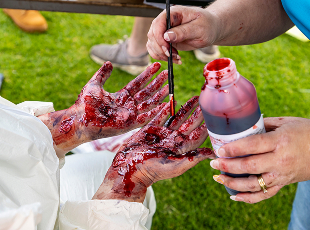
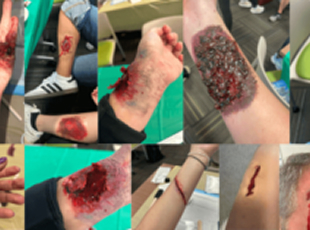
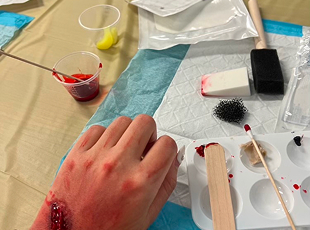
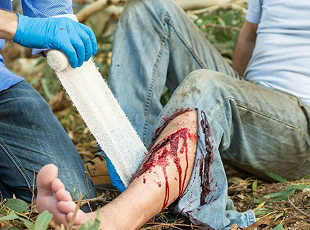
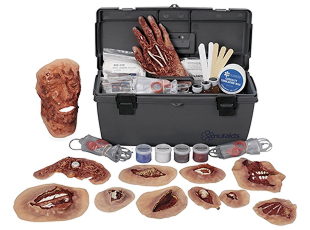
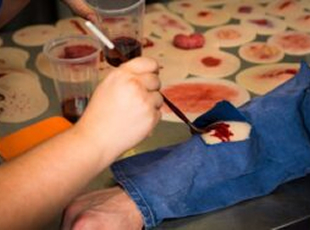

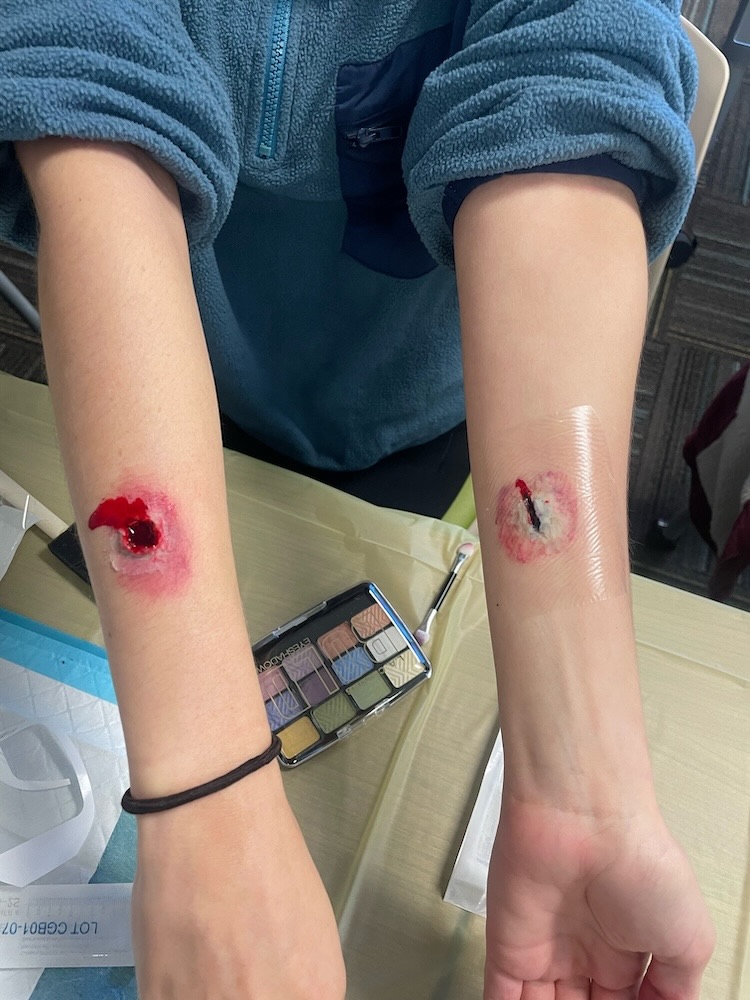
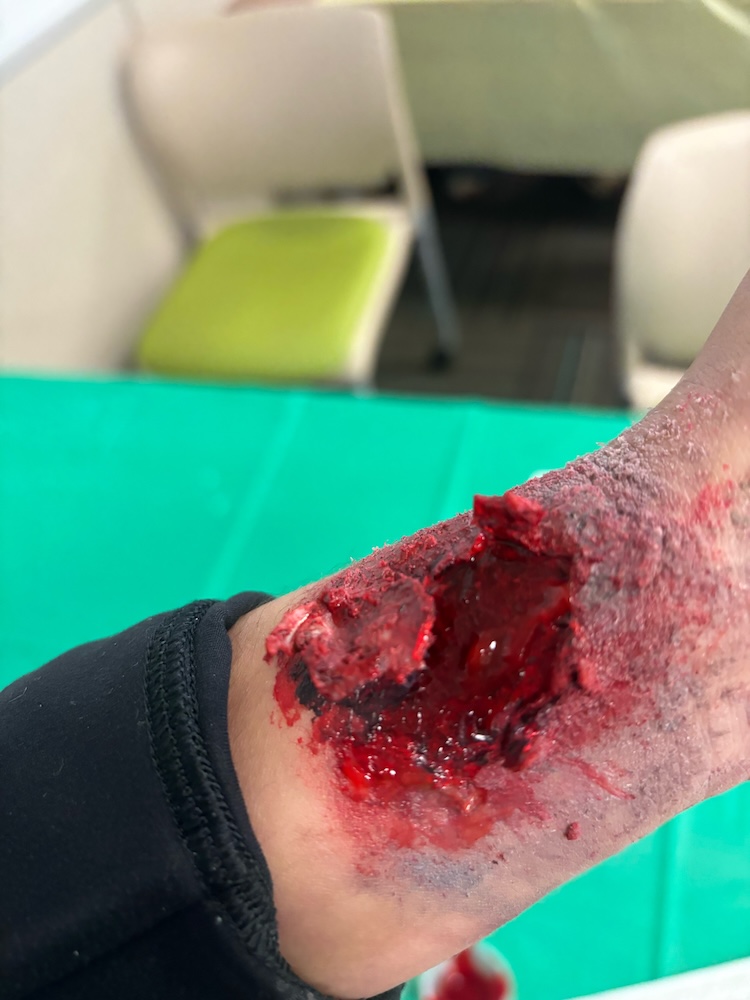
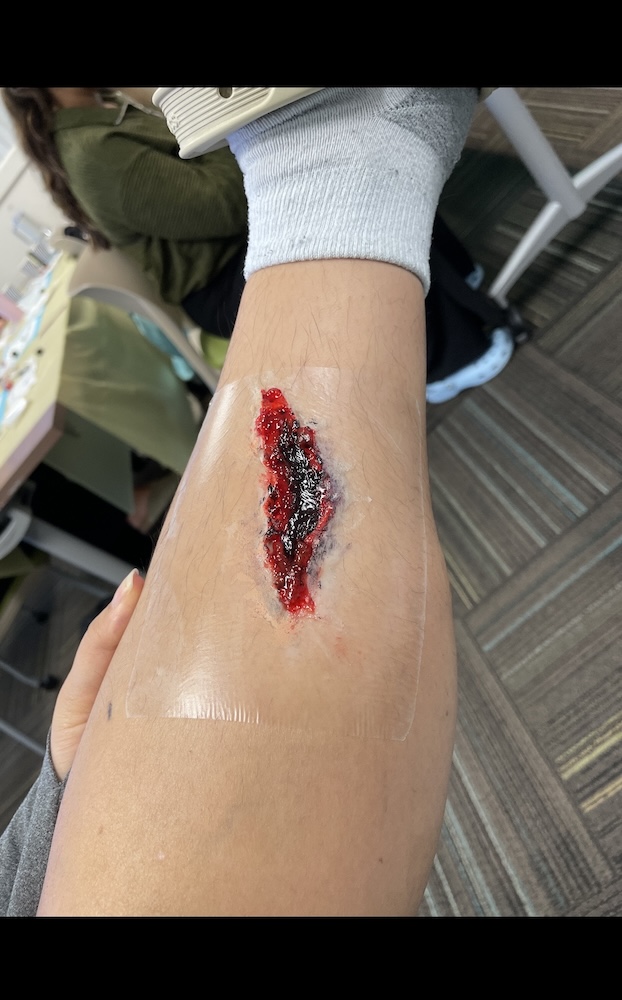
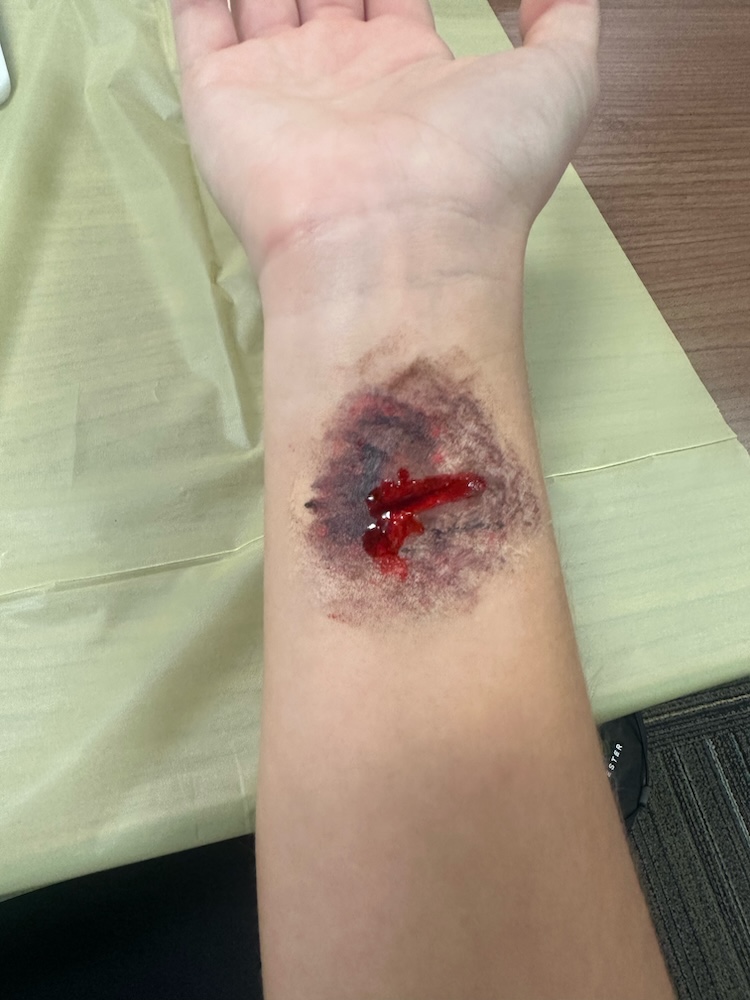
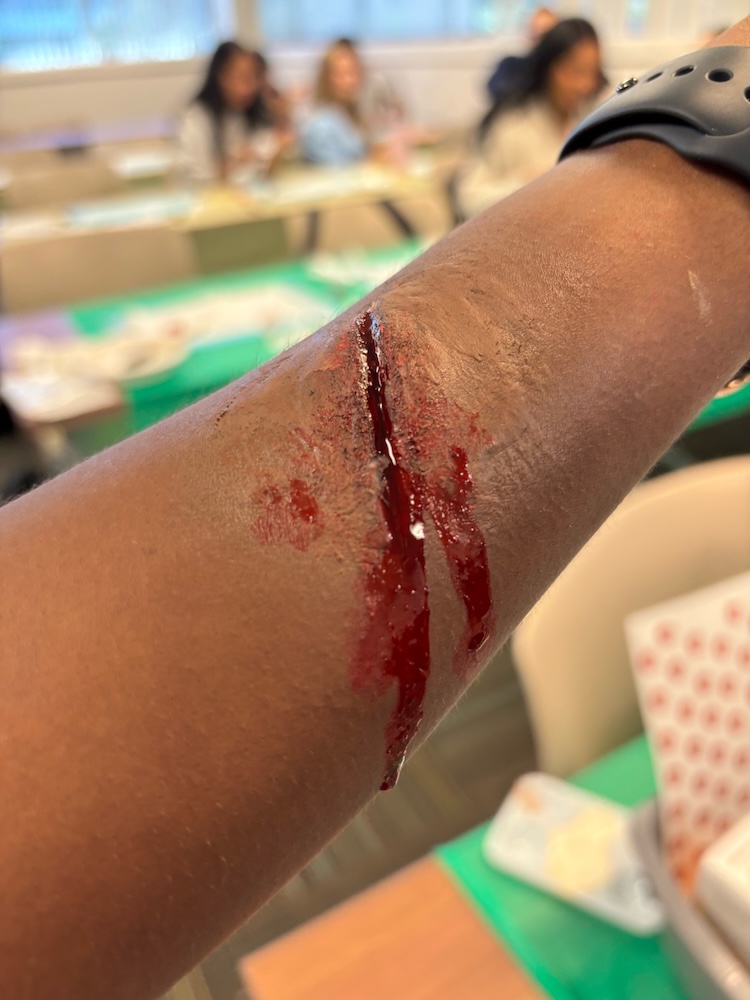
Regardless of the wound, injury, or illness created by the simulationists, moulage is more than just Halloween fun, it combines realistic artistry with educational science, aiming to enhance learning outcomes.This form of immersive storytelling allows every bruise, burn or blister craft an authentic, emotionally engaging experiences which prepare learners for the unexpected. Let this creativity sparked by the spooky season fuel innovation all year long. Happy Haunting, Simulationists!