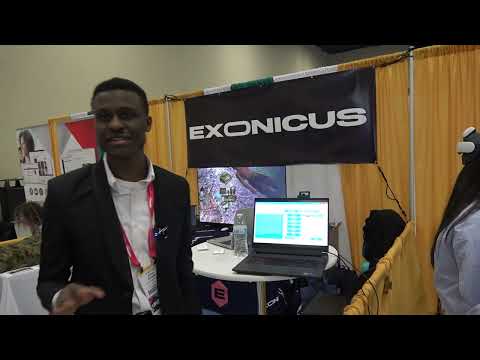
Exonicus, Inc. is a U.S.-based medical technology company dedicated to transforming trauma preparedness and response through cutting-edge Extended and Mixed Reality (XR/MR) simulation. Our mission is to improve survival outcomes by equipping military personnel, healthcare providers, and emergency responders with immersive, high-impact training tools that mirror the complexities of real-world trauma care.
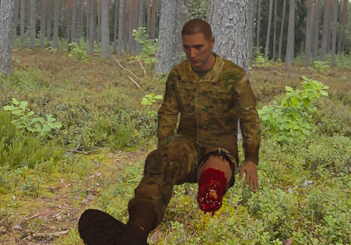
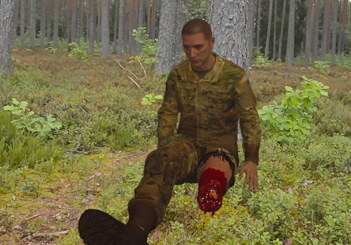
Our flagship platform, MilExTS® (Military Extended Reality Trauma Simulator), delivers scalable Tactical Combat Casualty Care (TCCC) training aligned with U.S. Department of Defense standards and Joint Trauma System (JTS) guidelines. The platform includes over 500 interactive, physiology-driven scenarios covering a wide range of tactical and medical conditions providing users with high-fidelity, scenario-based experiences that foster critical thinking and rapid decision-making under pressure.
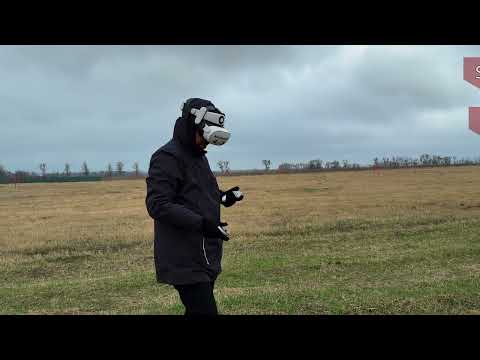
Each MilExTS® system is designed for high-volume throughput, capable of supporting up to 350 trainees annually, making it an optimal solution for both centralized institutions and decentralized field operations. The platform operates across Meta Quest standalone headsets and desktop configurations and is compatible with live-virtual-constructive (LVC) systems. It also integrates with physical manikins and can be localized in multiple languages, offering seamless adaptability for international, multilingual training environments.
Exonicus has been awarded multiple contracts under the U.S. Army Small Business Innovation Research (SBIR) Phase I and II programs, demonstrating a proven track record of delivering mission-critical innovation to the Department of Defense. We are fully registered in SAM.gov and are actively preparing for procurement pathways including the GSA Multiple Award Schedule (MAS), enabling broad access to federal, state, and allied partners.
From frontline combat medics to civilian first responders, Exonicus is redefining trauma training with immersive, interoperable, and scalable solutions that improve readiness, reduce training costs, and ultimately save lives.


 4000 NE Mason Rd Suite 300, Seattle, Washington, 98195, United States