
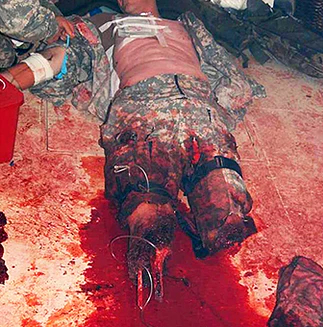
MATT (Multiple Amputation Trauma Trainer) from TacMed Solutions is an advanced, ruggedized, untethered, and remote-controlled trauma simulation system specifically engineered to deliver exceptionally realistic training for the treatment of severe lower-body traumatic injuries, such as those frequently sustained from improvised explosive devices (IEDs) and other blast-related events. Developed in collaboration with the U.S. Army Research Laboratory Simulation and Training Technology Center (ARL-STTC), the MATT combines cutting-edge sensor technology, special effects materials, and innovative engineering to provide medics, first responders, and military personnel with the most authentic trauma simulation experience available today.
Designed for Realism and Durability
MATT is purpose-built to withstand the rigors of field training and harsh operational environments. The TCCC trainer’s rugged construction and untethered design allow the medical emergency simulator to be used in virtually any weather or terrain condition, making the medical trauma simulator ideal for live training exercises, tactical combat casualty care (TCCC) scenarios, and other high-stakes training environments. The simulator features durable synthetic skin covering a urethane core, offering lifelike texture and resilience to withstand repeated use.
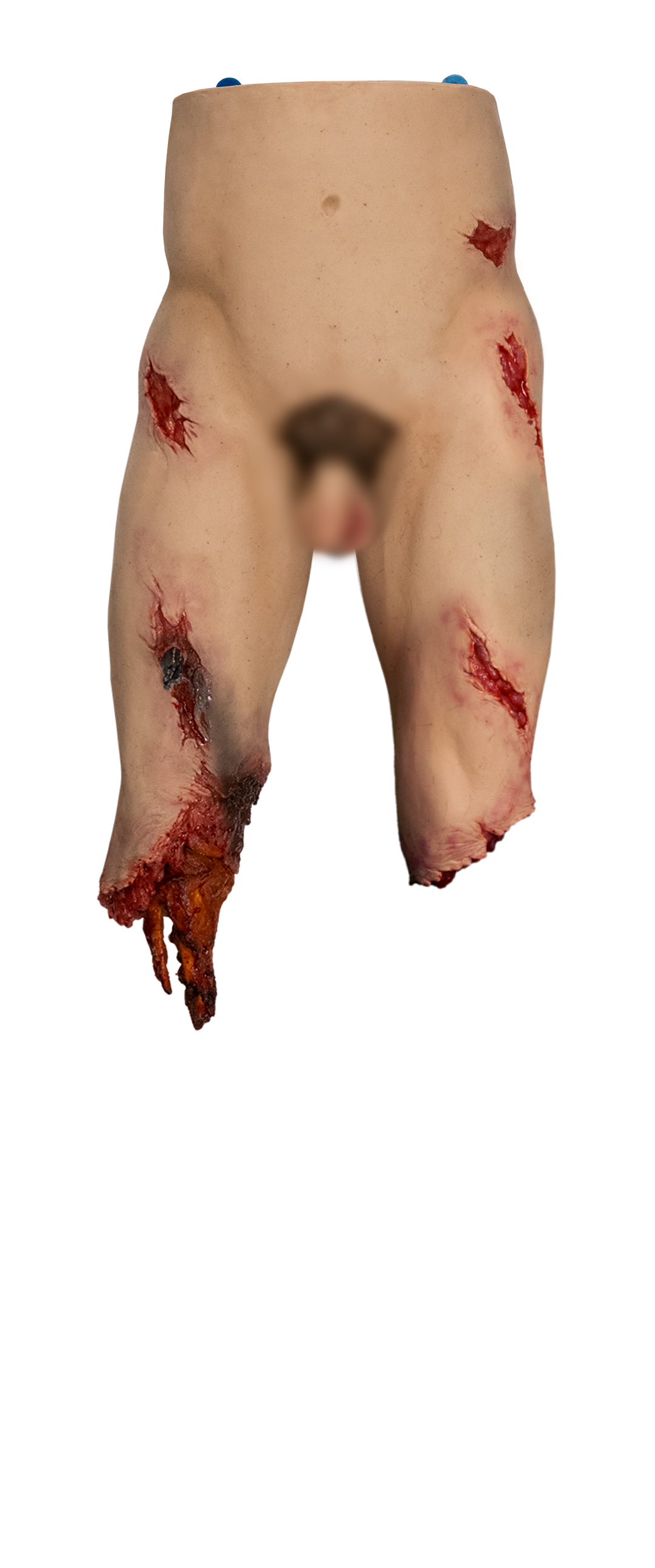
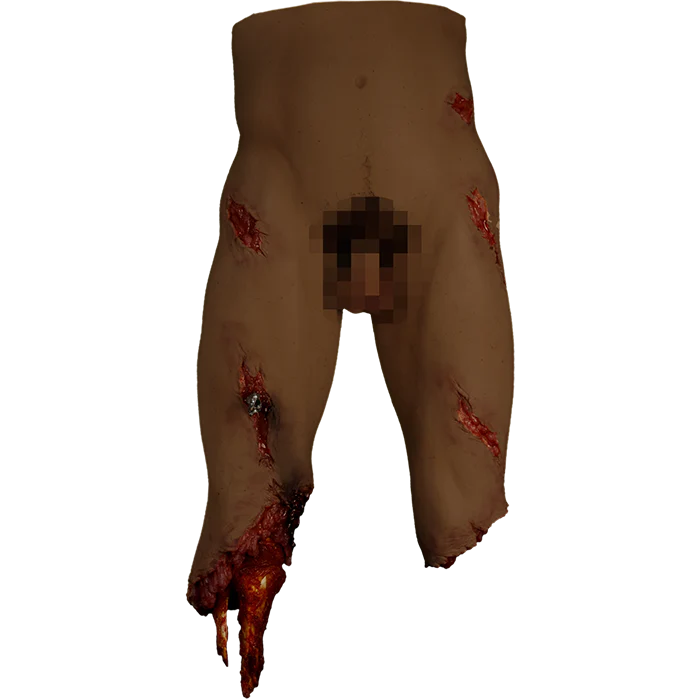
What sets MATT apart is the tactical training simulator’s incorporation of animatronic movement and high-fidelity wound simulation. The bilateral lower limbs feature realistic traumatic amputations that mimic injuries commonly seen in battlefield blast trauma. The wounds are designed to be packable with hemostatic dressings, allowing trainees to practice proper hemorrhage control techniques under realistic pressure.
High-Fidelity Injury Simulation
MATT offers several hallmark injury simulations that replicate the complex trauma patterns of blast injuries:
- Bilateral Amputations: Both legs are amputated below the knee, providing an essential platform for medics to practice tourniquet application on both limbs, a critical skill in saving lives from catastrophic hemorrhage.
- Bleeding & Occlusion Feedback: State-of-the-art embedded sensors enable the simulator to mimic arterial and venous bleeding realistically. When trainees apply direct pressure, proper packing, or tourniquets, the bleeding responds dynamically, giving immediate tactile and visual feedback. This allows learners to understand the effectiveness of their interventions and adjust accordingly.
- Simulated Wounds: The wounds feature irregular, avulsed edges typical of blast injuries, providing a realistic texture and appearance to practice accurate wound packing and bandaging.
- Crepitus: The inclusion of crepitus—a grinding or crunching sensation under the skin caused by fractured bones—adds another layer of realism. Trainees can palpate the affected limbs to detect this clinical sign, which is important in diagnosing complex musculoskeletal trauma.
Training Features and Medical Interventions
MATT is designed to support comprehensive trauma training across a wide spectrum of life-saving interventions. Key training capabilities include:
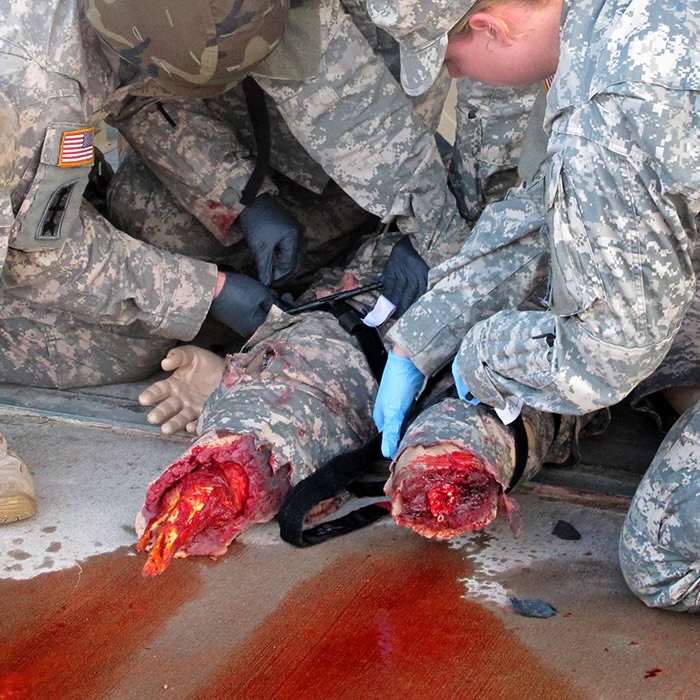
- Tourniquet Application: The amputations require trainees to apply commercial tourniquets correctly. The system supports various tourniquet types, including windlass and pneumatic devices. Successful tourniquet application is detected by sensors, which then provide real-time feedback via a remote control system, confirming occlusion of blood flow and stopping simulated bleeding.
- Hemostatic Wound Packing: Learners practice the essential skill of packing deep wounds with hemostatic dressings, using hand, knee, or elbow pressure to occlude bleeding. The simulator’s occlusion feedback helps them gauge the adequacy of their technique.
- Assessment of Pulses: While primarily focused on lower extremity trauma, MATT can be used in conjunction with other TacMed simulation systems to assess peripheral pulses and understand the implications of hemorrhage and shock on circulation.
- Bleeding Control and Occlusion Feedback: The responsive bleeding system helps reinforce proper hemorrhage control protocols, a critical aspect of trauma management in both civilian and combat settings.
Innovative Remote Control and Real-Time Feedback
MATT includes a state-of-the-art, long-range remote control system that allows instructors to monitor trainee performance and adjust patient conditions dynamically. This tetherless system enhances the realism of training scenarios by enabling:
- Real-Time Performance Feedback: Trainers receive instant feedback on the effectiveness of interventions such as tourniquet placement and wound packing, allowing for immediate correction and reinforcement.
- Scenario Modification: Instructors can simulate changes in patient status, such as increasing bleeding or altered responsiveness, to replicate the unpredictability of real-world trauma care.
- Objective Assessment: The system captures performance metrics, enabling objective evaluation of trainee proficiency and readiness.
Versatile Use Cases
MATT is designed for use in a variety of training environments and scenarios, including but not limited to:
- Tactical Combat Casualty Care (TCCC): Ideal for military medics and combat lifesavers training in forward operating bases, field hospitals, and simulated combat environments.
- Prolonged Field Care (PFC): The device’s durability and functionality make MATT suitable for scenarios where prolonged care under austere conditions is practiced.
- First Responder and Civilian EMS Training: Firefighters, paramedics, and EMTs can use MATT for trauma drills that require advanced hemorrhage control skills.
- Mass Casualty Incident Simulations: The realistic injuries and dynamic feedback allow teams to train for coordinated responses in high-pressure mass casualty environments.
Benefits for Training Programs
By using MATT, training programs can achieve:
- Improved Clinical Competency: The ultra-realistic injuries and responsive bleeding system enhance skill acquisition, ensuring that learners develop muscle memory and clinical judgment essential to trauma care.
- Enhanced Confidence: The immersive, hands-on experience helps build confidence in applying tourniquets, packing wounds, and managing complex trauma.
- Increased Retention: The combination of tactile feedback, visual realism, and instructor guidance supports better knowledge retention and transfer to real-world situations.
- Operational Readiness: Military and civilian responders trained on MATT are better prepared for the realities of battlefield and emergency trauma care.
Summary of Key Features
- Rugged, untethered design for field and classroom use
- Animatronic bilateral leg movement for realistic handling
- Bilateral traumatic amputations below the knee
- Simulated arterial and venous bleeding with dynamic occlusion feedback
- Deep packable wounds designed for hemostatic dressing training
- Realistic crepitus for fracture detection
- Comprehensive tourniquet application training
- Remote-controlled real-time feedback and scenario adjustments
- Developed in collaboration with U.S. Army ARL-STTC
- Compatible with additional TacMed simulators for full-body trauma training
Advancing Trauma Amputation Care
In conclusion, the Multiple Amputation Trauma Trainer (MATT) by TacMed Solutions is an essential, state-of-the-art trauma training tool. The trauma trainer’s exceptional realism, advanced sensor technology, and rugged, untethered design make the device the premier solution for preparing military medics, first responders, and emergency medical personnel to save lives in the most extreme lower body trauma scenarios. By integrating this simulator into trauma training programs, organizations ensure their medical teams gain critical skills and confidence necessary to effectively manage catastrophic limb injuries in any environment.


 1250 Harris Bridge Road, Anderson County, South Carolina, 29621, United States
