Abstract:
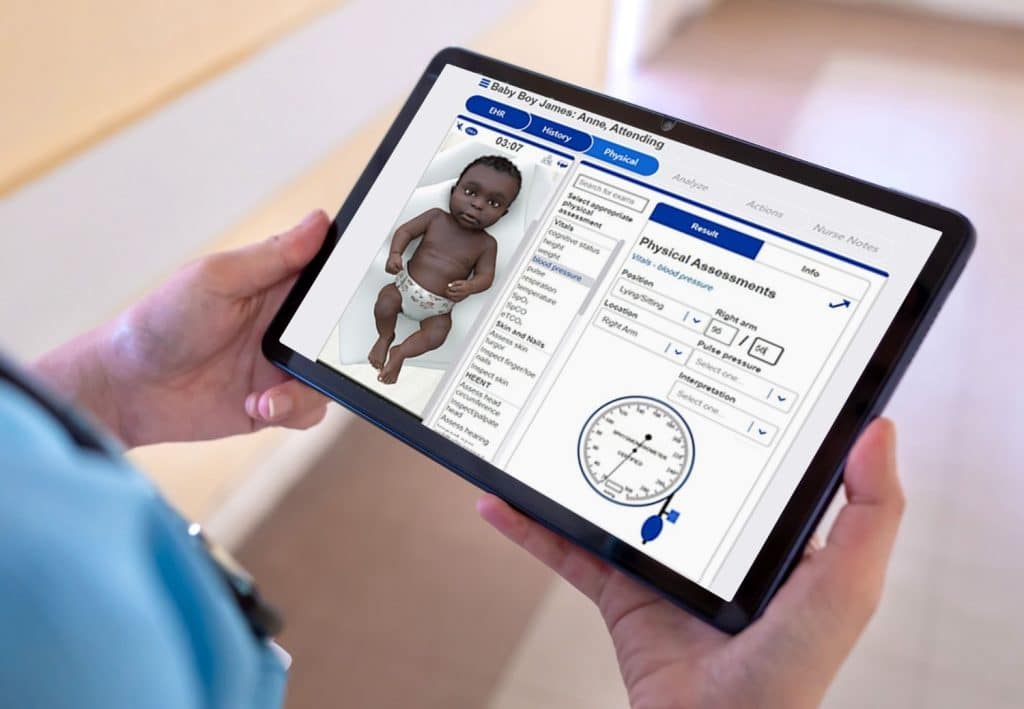
Clinical confidence and competence are essential for nursing students’ success in applying knowledge and skills in patient care. Simulation-based education has shown significant benefits in enhancing these attributes, particularly among undergraduate nursing students. However, limited research has explored the impact on graduate-level nursing students.
This study examined whether participation in remote-access, case-based virtual simulation enhances graduate nursing students’ self-perceived clinical confidence and competence. A descriptive, retrospective analysis was conducted using de-identified responses from graduate nursing students who completed virtual clinical cases in the i-Human Patients simulation platform. Two survey questions, developed from established literature, measured confidence and competence using a 4-point Likert-type scale. Data were collected between January 1 and December 31, 2023, and analyzed using descriptive statistics.
A total of 55,557 responses related to confidence and 55,552 related to competence were analyzed. Students accessed 499 unique cases, with an average of 285 responses per case. Overall, 82.8% of students reported increased clinical confidence and competence following simulation use. The findings indicate that virtual case-based simulation effectively supports the development of clinical confidence and competence in graduate nursing students. These results align with previous research on undergraduate learners and suggest that virtual simulation may be a valuable tool in graduate nursing education, potentially improving readiness for clinical practice and standardized assessments.
Learning Objectives:
- Evaluate the impact of virtual case-based nursing simulation on clinical confidence and competence among graduate nursing students using survey data.
- Analyze the relationship between clinical simulation participation and perceived clinical skill development in graduate nursing education.
- Describe how virtual simulation can be integrated into graduate nursing curricula to enhance clinical reasoning and decision-making.