Abstract:
Background: The literature highlights that nursing students lack the knowledge necessary to guide patients and families on end-of-life (EOL) options, often feeling anxious and ill-equipped for critical conversations. Incorporating formal EOL training into nursing curricula has been shown to enhance students’ knowledge and confidence in palliative care. Evidence indicates that trained healthcare professionals can positively affect quality of life and care satisfaction. However, integrating additional coursework into nursing education can be challenging, and students may have limited exposure to these situations during clinical rotations. Virtual screen-based simulations can be a way to provide relevant training with a limited burden on nursing faculty.
Research Question: How do virtual screen-based simulations impact nursing students’ knowledge, skills, and attitudes (KSAs) related to end-of-life decision-making with patients and families?
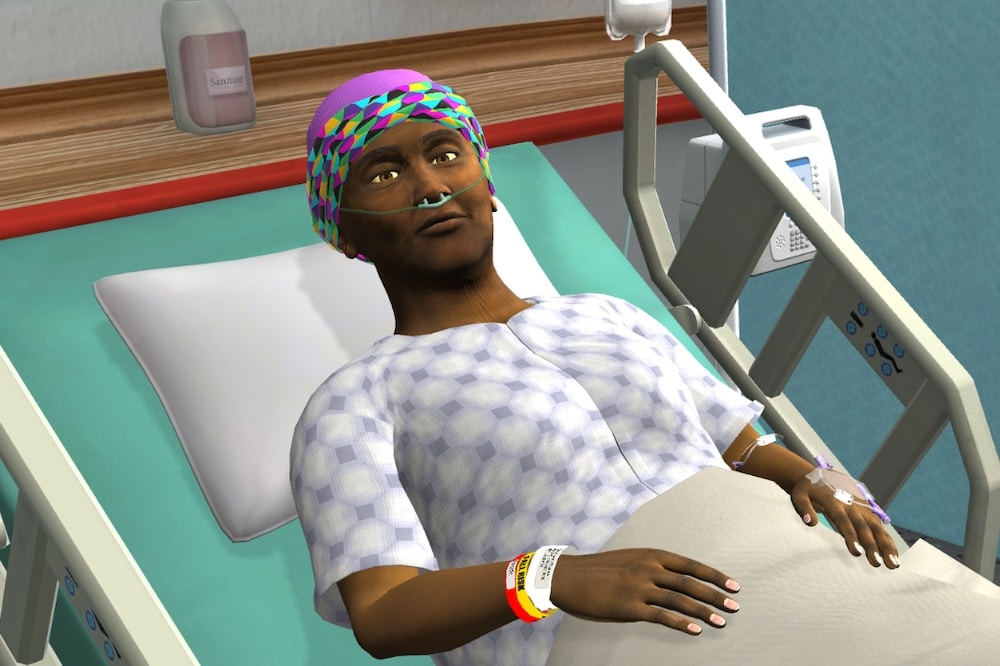
Methods: A qualitative and thematic analysis was performed on de-identified data from undergraduate nursing students who completed screen-based simulations. Open-text responses from students who engaged with simulations entitled Post-Mortem Care and End Stage Heart Failure were analyzed using open coding techniques.
Results: Findings showed that these simulations significantly increased students’ confidence and knowledge in addressing EOL scenarios. Overall, screen-based simulations offer a flexible, low-effort solution to reduce student anxiety and foster essential KSAs that enhance patient outcomes.
Learning Objectives:
- Discuss the current state of end-of-life training in nursing curricula.
- Describe the role of screen-based nursing simulations in end-of-life care training for nursing students.
- Analyze the impact of screen-based clinical simulations on knowledge, skills, and attitudes (KSAs) towards end-of-life care in nursing students.