Abstract:
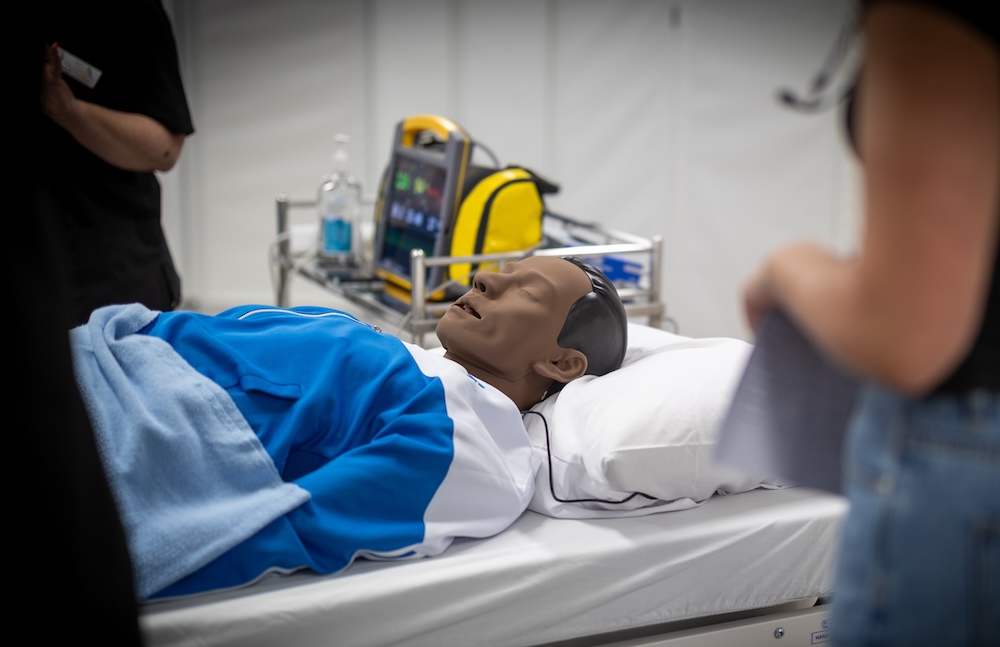
Murphy’s Law happens in clinical simulation: If it can go wrong, it will go wrong. Technical failures and equipment malfunctions are inevitable. Experienced clinical simulationists should have lifelines or alternate learning strategies to ensure continuity of educational outcomes when primary simulation modalities fail. Given the limited clinical time available to undergraduate nursing students and the imperative to meet the AACN Core Competency Essentials, readily accessible supplemental activities are essential to maintaining educational integrity. This CE webinar will address strategies for maintaining SMART learning objectives while transitioning from traditional manikin-based simulation to AI-supported alternatives during a healthcare literacy-focused simulation equipment failure.
Learning Objectives:
- Describe how to develop a lifeline for a clinical simulation scenario when the patient manikin fails.
- Identify resources for creating and using lifelines in clinical simulation.
- Explore how to turn the lifeline into an experiential learning opportunity and curriculum integration to meet AACN Core Competency Essentials.