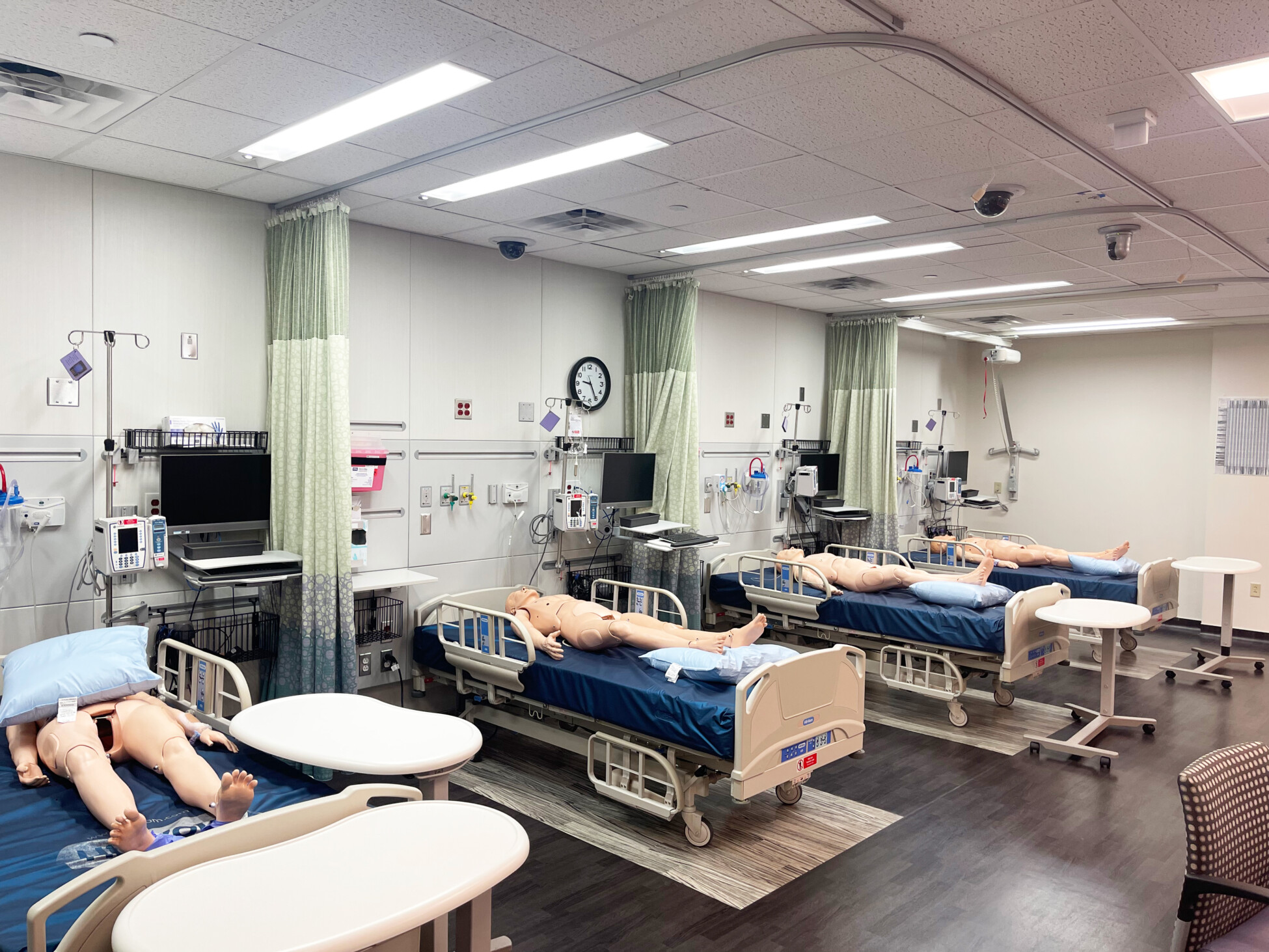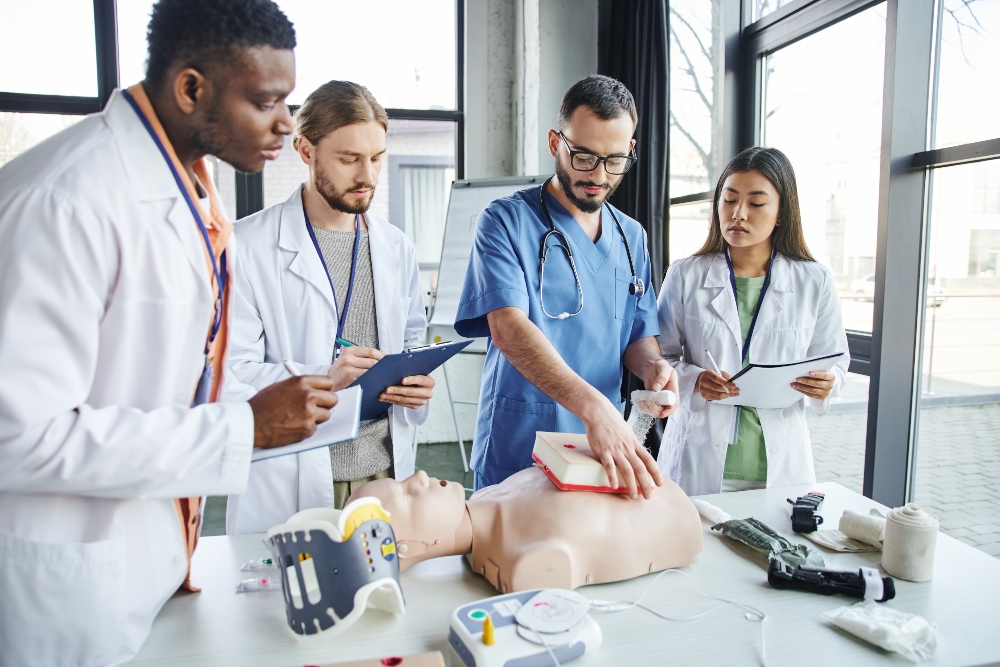


Sim Techs, also known as simulation operations professionals, are an integral part of the healthcare simulation team. Information Technology (IT) specialists provide critical insights into the technological infrastructure necessary for seamless integration and operation, ensuring all the components of a healthcare simulation center function optimally. This HealthySimulation.com article by Carrie Gigray, MSHS, CHSE, CHSOS, NRP highlights the importance of SimOPS and IT partnerships in fostering effective clinical simulations, as each group contributes specialized knowledge and skills to enhance the overall success of these initiatives. After this article be sure to check out the Must-Read Book: Comprehensive Healthcare Simulation: Operations, Technology, and Innovative Practice to learn more!
Healthcare simulation without IT collaboration is like a computer-based manikin without electricity: nothing runs, nothing responds, and nothing integrates. This analogy highlights the essential role IT teams play in building, running, and maintaining healthcare simulation environments. Across the medical simulation community, numerous accounts describe simulation center projects which struggle, stall, or fail because the project management team excluded SimOPS and IT experts from design planning, scenario creation, and/ or implementation phases of simulation centers. These challenges demonstrate foundational technical collaboration is key to the success of computer-based simulation audiovisual (AV) systems and digital education tools.
Why IT Collaboration Matters in Healthcare Simulation
Collaboration between Simulation Operations Professionals and IT departments affects the entire lifecycle of the simulation environment, from program creation and equipment selection to procurement, installation and long-term maintenance. IT provides the infrastructure to power healthcare simulation, from servers to manikin controllers to audiovisual recording platforms such as EMS, SimStation, Simulation IQ and SimCapture. Involving IT early in the creation of simulation programs is crucial for translating simulation needs into technical requirements. Delaying IT engagement often leads to pitfalls, and accessibility must be planned from the outset to avoid costly, inefficient retroactive fixes. Effective strategies include mapping stakeholders, identifying IT champions and establishing clear communication channels. This proactive approach ensures the simulation environments are secure, accessible and aligned with institutional IT standards.
Strategic Planning Between Simulation Operations and IT collaboration enhances safety, reduces technical disruptions and strengthens interoperability with institutional resilience, making high-quality simulation possible. When IT teams are not engaged early, programs face unnecessary risks: data vulnerabilities, bandwidth limitations, network failures, inaccessible systems, and poor user experiences. When simulation goals align with IT capabilities, organizations create reliable, scalable, and secure environments to support educational excellence and operational efficiency.
View the new HealthySimulation.com Community Simulation Technology Specialist Group to discuss this topic with your Global Healthcare Simulation peers!
Understanding the Role of IT in Simulation
Information Technology influences nearly every aspect of the simulation center operations, including network architecture, bandwidth allocation, device integration and system security protection against cybersecurity threats like ransomware and phishing. Network teams design the Wifi and wired infrastructure required for cameras, microphones, monitors and patient simulators to communicate within secure environments. Data governance expands these responsibilities, requiring compliance with multiple standards to maintain patient privacy, learner confidentiality, and program integrity.
Hardware and audiovisual infrastructure require specialized installation and maintenance by
Managing networks and bandwidth is essential for reliable manikin use and high-definition video streaming in simulation setups, especially utilizing VLANs (virtual local area networks) and QoS (quality of service). Software deployment and lifecycle management involve updates, licensing, and vendor support, which can affect simulation functionality. Key stakeholders could include the IT director, network engineer, AV teams, and instructional technologists.
Procurement Pathways for Healthcare Simulation Centers
Collaboration during the purchasing process and procurement is necessary for program success. During the procurement phase, collaboration with IT can help navigate institutional pathways involving purchasing departments and vendor security vetting. Budget transparency is also key, as hidden costs such as renewals, storage, and warranties can impact long-term sustainability. Future simulation environments involve planning for capability and the integration of emerging technologies such as XR (VR/AR), AI, Biometrics and haptics.
Consider the following case: An extensive hospital program decides to purchase VR for continuing education. The VR company comes in to demo the product, the hospital purchases more than 20 headsets and licenses, only to have them sit on a shelf for almost 2 years due to Wifi and security issues. The project management team had no idea that vendors use their own Wifi pucks at the time of the demo, did not understand the complexity of the hospital’s Wifii and security systems, and did not realize how they would need to integrate these for a successful VR program.
Pilot testing, sandbox demonstrations, and service-level agreements (SLAs) can help validate vendor claims and ensure system reliability within your organization. By anticipating technological trends and aligning simulation goals with IT capabilities, programs can create adaptive, inclusive and forward-looking simulation programs which meet the needs of diverse learners and stakeholders.
Critical Simulation Operations Considerations with IT
There are several critical items we often overlook which affect simulation center success. Compliance with security standards such as SOC2, ISO, HIPAA, and FERPA, as well as disaster recovery planning, is a must for maintaining center functionality.
- Service Organization Control 2 (SOC2) is a US-based audit standard for data security and can impact how simulation vendors and cloud-based platforms manage simulation center data.
- The International Organization for Standardization (IOS) is a global set of standards for best practices in quality and security
- Health Insurance Portability and Accountability Act (HIPAA) governs the protection of patient health information. Clinical simulation centers within a larger healthcare system must carefully consider and manage how simulated and recorded data are used throughout the organization.
- Family Educational Rights and Privacy Act (FERPA) protects the privacy of learner education records. Institutional simulation centers need to have a plan for secured simulation assessment, recordings and performance data.
- Americans with Disabilities Act (ADA) ensures accessibility for simulation learners with disabilities. Ensuring healthcare simulation environments, technologies and digital platforms support equitable participation across in-person and remote simulation experiences.
Disaster recovery plans should include downtime protocols, backups and system problem-solving to ensure business as usual during simulation events. Items like considering what happens when there is a power outage during a high-stakes exam, such as Objective Clinical Structured Exams (OSCE), or a complete organizational internet crash. Centers should consider standardized internal tools such as the Simulation Operations Problem-Solving Tool: Anticipate, Act, Amend to help simulation operations teams document issues clearly for others to review and ensure consistent problem-resolution workflows, minimize downtime and preserve data integrity. IT partnerships play a critical role in strengthening budget justification and securing institutional support for innovative solutions.
IT Specialists and/or those operating simulation technologies should learn more about the world’s only non-profit organization dedicated to simulation technology operations: SimGHOSTS. SimGHOSTS partners with leading simulation centers and organizations to provide hands-on simulation technology training events around the world. Find an event coming to a region near you. SimGHOSTS supports the career development of individuals working in simulation technology related professions through a specially designed program that supports both mentors and mentees.
View the HealthySimulation.com Webinar From Hire to High-Performer: Building Elite Healthcare Simulation Operations Teams to learn more!
Implementation and Change Management
Effective simulation system deployment requires close collaboration with IT for installation, setup, and access control to ensure smooth operations. IT may need to install systems, set up accounts, and provide access control. Testing software prevents disruptions caused by incompatible changes. SimOPS and IT should use sandbox environments to test updates to prevent disruptions by identifying incompatible changes before deployment. Licensing and software lifecycle management, including renewals and end-of-life planning, must be coordinated to avoid service disruptions.
Simulation center management can create an environment that fosters mutual understanding and operational readiness by providing joint training for IT and simulation operations professionals. Collaborative training can help each profession understand the simulation center’s needs and how they fit into the organization’s overall technology workflow. These practices highlight the need for structured deployment strategies and collaborative problem-solving.
Sustaining Collaborative Governance with IT
Long-term success in simulation operations depends on sustained collaboration with IT. This partnership should include regular communication, clear ticketing systems and scheduled check-ins to address issues swiftly and maintain system performance. Other ways to strengthen this partnership include shared governance committees to ensure the simulation perspectives are represented in the IT decision-making process. Aligning simulation innovation with IT roadmaps ensures new technologies are supported and integrated effectively, rather than being denied or delayed. Additionally, planning for sustainability and environmentally friendly green choices, including device recycling, should be considered to help the overall footprint of technology. These practices build resilient partnerships which adapt to the always-changing educational and technological landscapes.
Three essentials for successful simulation operations are: involving IT early to prevent costly mistakes, aligning with IT standards to ensure security, bandwidth, and compliance, and building relationships rather than transactional interactions. Information Technology is a strategic long-term ally in the success of healthcare simulation. Sim Ops Specialists should ask themselves “Have I included IT at the table from day one?” This mindset fosters proactive collaboration, strategic planning, and resilient systems which support high-quality simulation experiences. By embracing these principles, programs can enhance educational outcomes, safeguard data, and drive innovation in healthcare simulation.