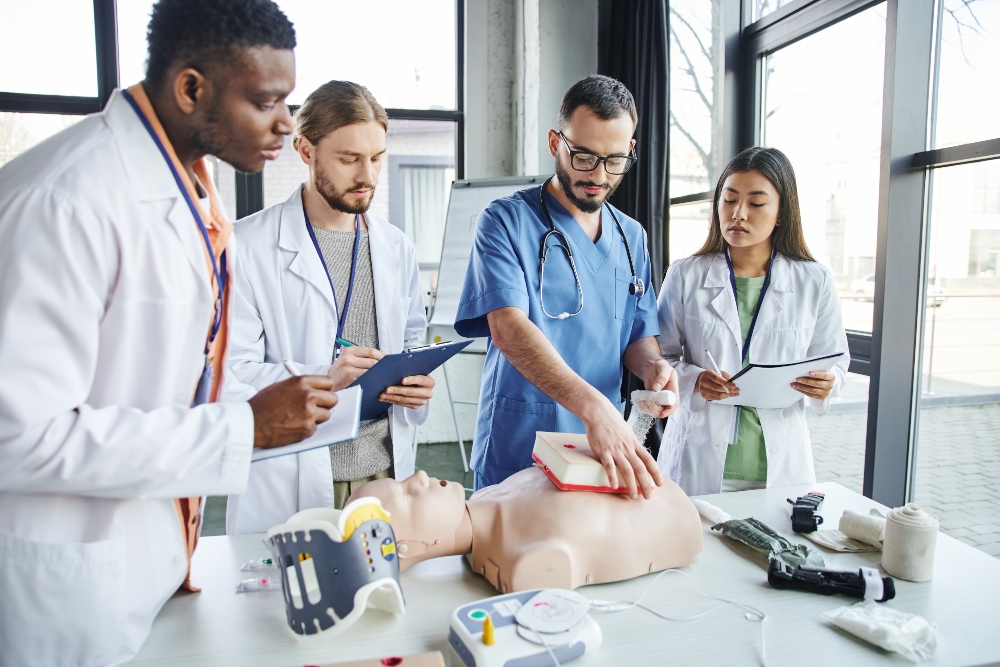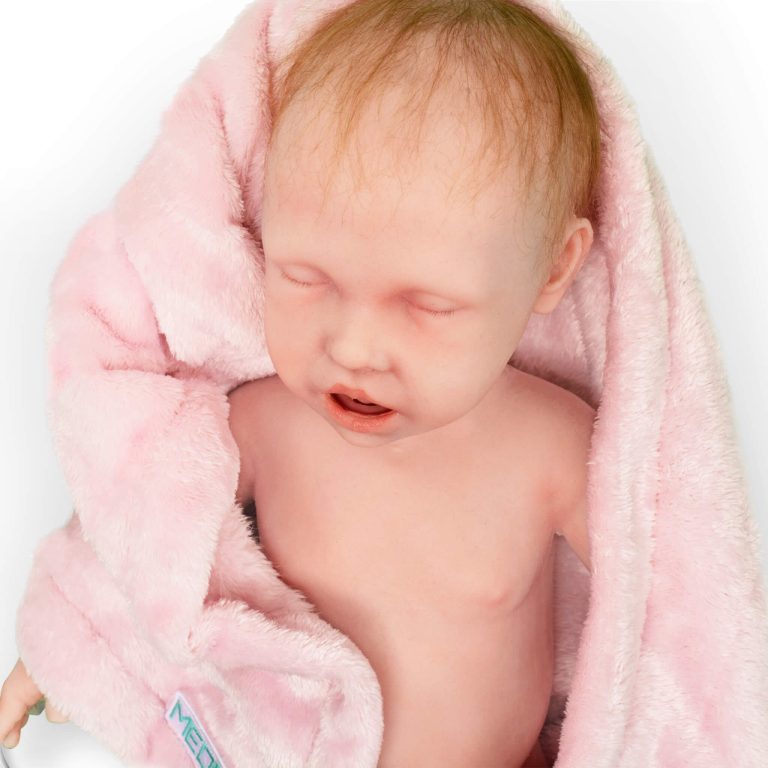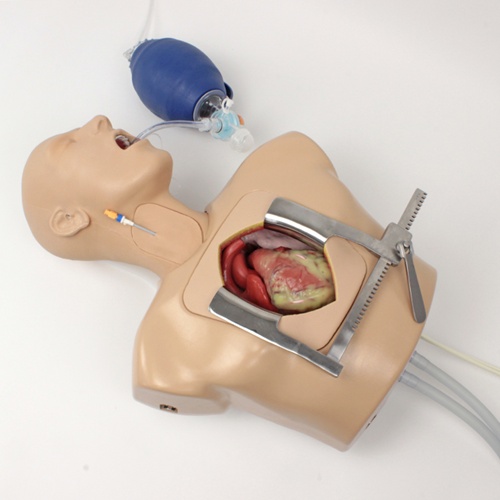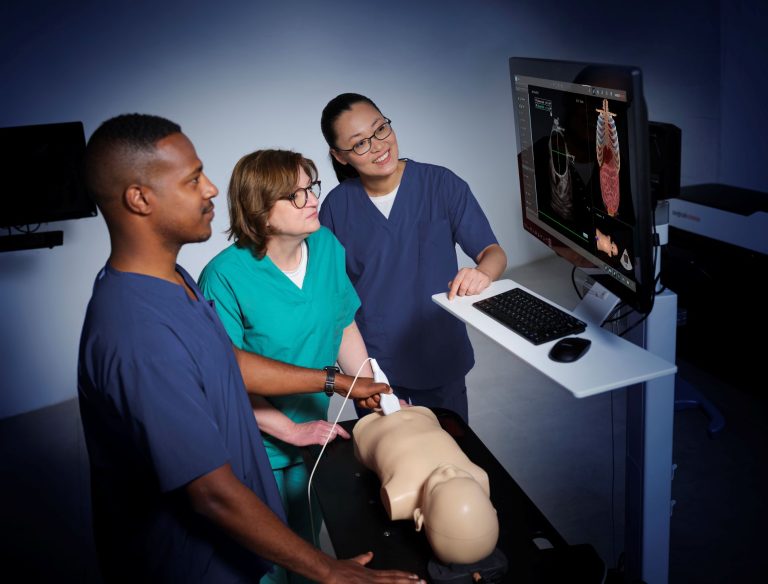

Singapore welcomed the fourth S3 Healthcare Simulation Conference this week with the event’s largest crowd to date. Organizers announced 589 registered participants, reflecting rapid growth in simulation-based healthcare education across Asia. The theme, Integrating Simulation: Future-Proofing Practice, framed opening remarks, the keynote, and two days of pre-conference workshops. Hosted by the SingHealth Duke-NUS Institute of Medical Simulation (SIMS) and jointly organized with the Society for Simulation in Europe (SESAM) and The Gathering of Healthcare Simulation Technology Specialists (SimGHOSTS), this highly anticipated conference takes place from November 5th-7th 2025, offering a wide spectrum of healthcare simulation capabilities and applications. As a media partner, HealthySimulation.com is thrilled to support this one-of-a-kind clinical S3 simulation conference event through today’s write up by attendee and contributing author Ferooz Sekandarpoor!
Opening Message: Medical Simulation as Essential Infrastructure
One of the conference’s co-organising chairpersons Dr. Tess Teo welcomed participants on behalf of the co-hosting organizations and underlined a clear goal: use clinical simulation to bridge innovation and safe practice. She noted how the pandemic era forced a shift to online learning, then challenged the community to anticipate change and build medical simulation into curricula, operations, and research rather than treating it as a bolt-on activity.
Government Spotlight and Big Announcement for New Simulation Credentials
Guest of honor Mr Tan Kiat How, Senior Minister of State, Ministry of Digital Development and Information & Ministry of Health, traced five years of growth in the region’s simulation ecosystem, driven by the efforts of SIMS:
- Workshops increased from about 750 to over 1,200
- Participants rose from about 8,700 to more than 21,000
- Participants arrived from Malaysia, the Philippines, Indonesia, Hong Kong, Brunei, China, and across the region.
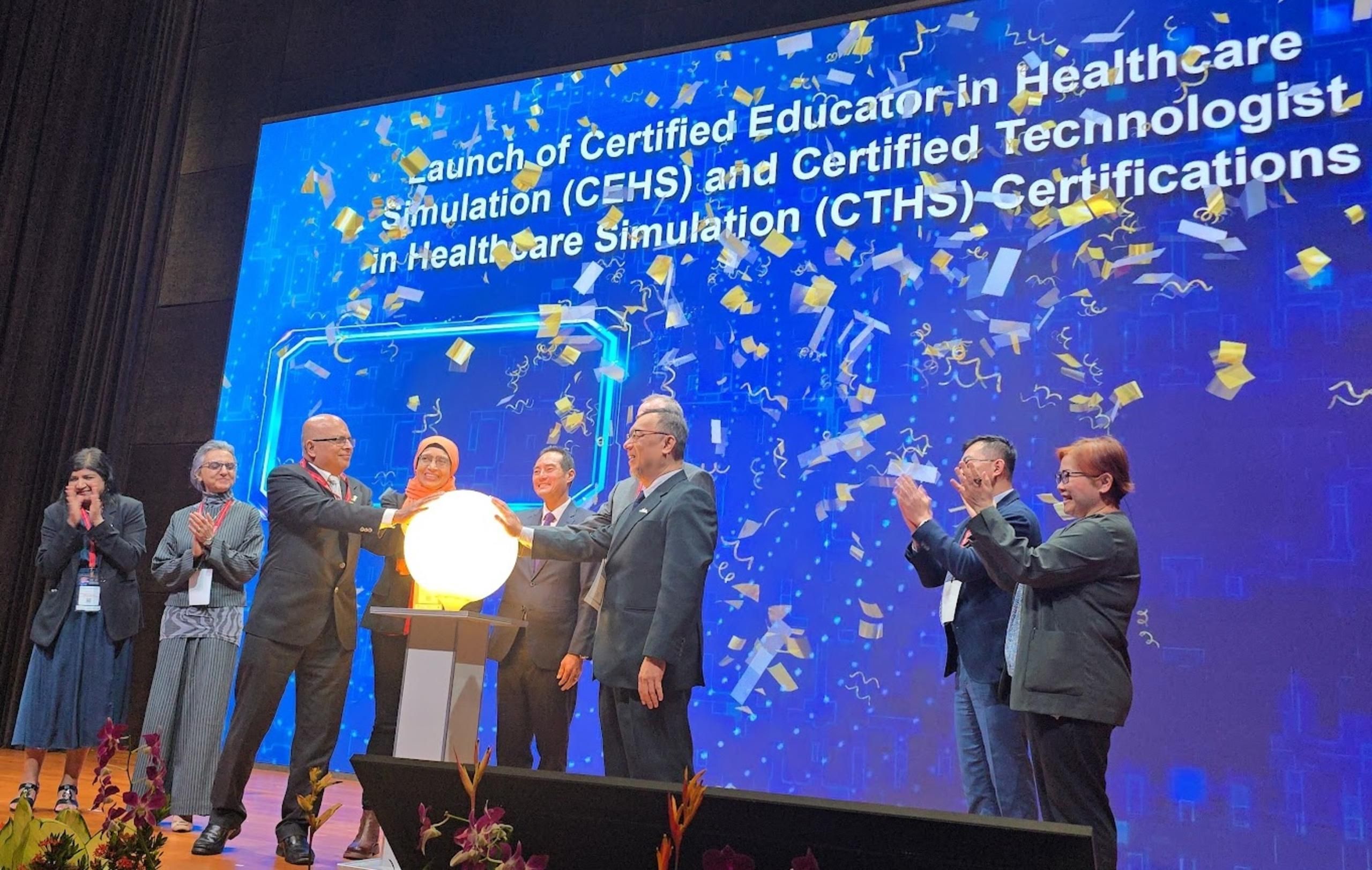
Minister Tan highlighted new and upgraded centers, including the National University Heart Centre’s simulation centre, by the Department of Cardiac, Thoracic and Vascular Surgery, launched in 2023 and Tan Tock Seng Hospital’s Simulation and Integrated Medical Training Advancement Centre. He then announced two region-focused credentials developed by SIMS with the Pan Asia Simulation Society for Healthcare and the Malaysian Society for Simulation in Healthcare:
- Certified Educator in Healthcare Simulation (CEHS) for doctors, nurses, and allied health professionals delivering simulation-based education.
- Certified Technologist in Healthcare Simulation (CTHS) for technical specialists and operations staff supporting simulation training programmes
Both programs target regional practice, technology, and policy contexts and are scheduled to roll out by 2026.
The address also showcased SIMS’ efforts in expanding medical simulation capabilities:
- Team SIM initiative with SingHealth’s Institute for Patient Safety and Quality, including a “Mayhem Room” for system-focused hazard identification.
- Testing of critical processes through simulation for the wards at SingHealth Tower and the new Singapore General Hospital Emergency Medicine Building.
- Low-cost ED thoracostomy trainer co-developed with Duke-NUS Medical School using 3D-printed components, which allows for repeated practice.
Keynote: Dr. Ben Symon on Blending Education with System Improvement
Emergency physician and simulation leader Dr. Ben Symon opened the scientific program with a call to connect educational simulation and translational system work. His message was pointed and practical:
- Debriefing yields rich, candid data on workflow, equipment, culture, and patient experience
- Educators often let those insights die in the room
- Small changes, measured and tracked, build real system gains
Dr. Ben Symon shared a Queensland case series where a statewide outreach team paired training with structured capture of latent safety threats, rapid reporting, and three-month follow-ups. Two examples stood out:
- Smart infusion pump libraries for pediatrics lagged updates across multiple sites and blocked guideline-concordant dosing. A statewide working group is now building an open access drug library aligned with paediatric guidance.
- Equipment gaps persisted because small hospitals were forced to purchase in bulk. Simulation reports triggered procurement rule tweaks so educators could order realistic quantities with correct catalog codes.
The approach lifted closure rates on identified issues and improved readiness for pediatric resuscitation across dozens of hospitals without new staffing.
S3 Conference: By the Numbers
- 589 registered delegates attended from all over the world.
- Two full days of pre-conference workshops.
- Busy parallel tracks across curriculum design, faculty development, operations and technology, and simulation research.
- Welcome reception at Hopscotch, Gardens by the Bay, set the tone for cross-disciplinary networking.
Day 1 takeaways
- Simulation is infrastructure: Speakers positioned simulation as a core element of workforce readiness, patient safety, and health system performance.
- Local context matters: The new CEHS and CTHS credentials target local environments, climate, technology, and staffing models.
- From debrief to delivery: Treat debrief themes as actionable data. Write the report. Send it to the owner. Follow up.
- Cost-aware innovation: 3D-printed task trainers and open protocols stretch budgets while expanding access.
Commissioning with simulation: Run systems tests before opening new towers, EDs, and care pathways.
What’s Ahead This Week at S3?
Plenary sessions will feature distinguished speakers from the Cardiff and Vale University Health Board, University of British Columbia, and The University of Western Australia. Parallel sessions will explore AI in education, immersive tech, debriefing methods, assessment, and operations.
For innovators and creators, “Basic Skill in Simulator Building, 3D Printing and Beyond” will provide fundamental simulator construction and material integration techniques. Attendees will enhance realism with “Mastering Moulage: Elevating Realism in Medical Simulation”, a hands-on workshop for creating lifelike wounds and exploring time-saving silicone casting. The “Think, Print, Innovate: Sustainable 3D Printing Solutions for Healthcare Simulation” workshop will explore how 3D printing can revolutionise simulation with cost-effective and customisable solutions.
Educators and facilitators will refine their expertise with the “Developing Essential Basics for Reflective Insights & Effective Facilitation (DEBRIEF)”, designed to enhance essential debriefing skills through theory and practical applications. Another workshop, “A Primer for a Performance-based Debriefing Method and Using the Debriefing Assessment in Real Time (DART) Tool”, has introduced CAPE’s DART tool for objective evaluation, providing insights from high-risk fields and a complimentary toolkit.
Managers and strategists will benefit from “Elevate Your Simulation-based Training Programmes! Assess the Implementation Quality of Your Programmes Using an Implementation Rubric, the IQR-SIM” and how to use the IQR-SIM rubric to assess and enhance programme implementation quality. Additionally, “Using Simulation as a Process to Implement and Redesign Workflows” has taught practical techniques to optimize processes and improve efficiency.
Singapore’s S3 Conference moved into Day 2 with strong momentum from a packed workshop program and lively hallway exchanges. The theme that threaded through the morning was simple and urgent: integrate simulation into daily operations, not only curricula, to future-proof practice across emergency care, critical care, disaster response, and hospital commissioning.
Day 2 Plenary Keynote: Professor Fatimah Lateef
Ferooz Sekandarpoor introduced the keynote speaker, Professor Fatimah Lateef, Senior Consultant Emergency Physician and Director of Quality and Patient Safety at Singapore General Hospital’s Department of Emergency Medicine. She also serves as Co-Director of the SingHealth Duke-NUS Institute of Medical Simulation, Programme Director of Academic Clinical Development and Leadership at Duke-NUS, and holds professorial appointments across leading medical schools in Singapore. Her service and scholarship are extensive, with 600+ abstracts presented and 300+ scientific papers in peer-reviewed journals. She helped bring SIMS to global prominence through international accreditation. Honors include the National Healthcare Humanity Award, Outstanding Young Person of the World Award, and the Master Academic Clinician Award 2025.
Key messages from Prof. Lateef
- Simulation is infrastructure. Use it to shape policy, commissioning, staffing models, and day-to-day workflow, not only to run scenarios.
- Education, assessment, and operations belong together. The same methods that teach teams also surface latent safety threats, inform procurement, and support change.
- Measure what matters. Move beyond attendance counts. Track closure of issues found during debriefs, readiness of equipment sets, and time-to-treatment in critical pathways.
- Design for learners across generations. Blend tactile task trainers, standardized patients, hybrid setups, VR or AR, and analytics. Match tools to outcomes and budget.
Prof Lateef illustrated these points with concrete examples from Singapore:
- Facility commissioning with simulation. Teams rehearsed patient flow before opening the new SGH Emergency Medicine complex. Work included isolation pathways, MRI transfers, and full resuscitation bay drills to validate layout, supplies, and documentation access.
- COVID era adaptations. Negative pressure arrangements, swab booths, and sequential decon lines were stress-tested in live environments to maintain throughput and protect staff.
- Low-cost, high-yield models. A 3D-printed thoracostomy trainer, transparent vascular access blocks, and custom central line models extended practice opportunities.
- Hybrid methods. Burn care with moulage and suits, pediatric airway and seizure management, trauma-stroke dual pathway drills, and residents role-playing standardized patients to sharpen empathy and communication.
- Operational excellence. Sequential simulations across ambulance bay, triage, resus, imaging, and wards surfaced gaps in IT access, smart-pump use, and equipment location. Findings fed straight to owners with follow-ups.
Prof Lateef also scanned the horizon:
- Digital twins for patients and devices. Continuous data streams might support earlier interventions, decision support, and device auto-configuration under expert oversight.
- AI in design and delivery. Use AI for scenario generation, adaptive feedback, and performance analytics while keeping human judgment at the center.
- Human factors remain core. Technology expands reach, yet tactile skills, teamwork, and reflection anchor safe care.
A Provocation About the Near Future
A short media clip on a so-called humanoid “companion” sparked debate. The point was not endorsement. It was a reminder that sensational claims will keep arriving. Simulation leaders need to evaluate use cases, ethics, feasibility, and cost, then teach teams how to test systems before they touch patients.
Day 2 Highlights from Sessions and Posters
- Economics and planning. Groups shared how simulation informed bed maps, nursing sightlines, and supply placement. Several teams reported shorter transfer times and fewer near-misses after sequential walk-throughs.
- Commissioning playbooks. Checklists for equipment bins, drug libraries, and protocol access in resus rooms drew interest from hospitals planning expansions.
- Safety culture. Programs showcased “mayhem room” style hazard hunts and decon drills that included administrative and security staff, not only clinicians.
- Geriatric empathy kits. Weighting systems and mobility restrictors gave staff a safe way to feel the effort of routine tasks for older adults, then redesign them.
- Serious games. Teams demonstrated tablet-based infusion trainers and micro-games for HAZMAT recognition, line setup, and alarm management.
What This Means for Medical Simulation in the Region
Day 1 brought a landmark announcement of two regional certifications for educators and technologists, targeted for rollout by 2026. Day 2 showed the operational backbone those credentials aim to support. The message is consistent: align training with system change, report issues, close the loop, and share the fixes.
Key Takeaways You Can Use Right Away:
- Run a one-hour sequential simulation from ambulance bay to imaging. Log every friction point. Assign owners. Re-run in two weeks.
- Standardize a resusitation cart bill of materials and verify availability with procurement catalog codes.
- Audit smart-pump drug libraries against pediatric guidance. Close mismatches.
- Add a hybrid station to your next mock code that trains both a technical step and a communication step.
- Track closure rates for debrief findings. Publish the dashboard internally.
S3 2025 continues tomorrow with plenaries from patient safety, defense medicine, and communication experts, plus sessions on AI for education and system integration. I will report further highlights as the program advances.
Why the S3 Conference Matters to Asia and the World
Southeast Asia’s simulation community is scaling fast. The new educator and technologist credentials answer a long-standing need for regional alignment. The keynote set a pragmatic bar for impact: integrate educational aims with system fixes, measure progress, and hand wins back to frontline teams.
More daily highlights to come from Singapore as sessions unfold and the exhibit floor showcases manikins, software, VR and AR, and integration tools shaping the next wave of simulation-based education and quality improvement.